


Column
February 15, 2026
FabCafe Global Editorial Team
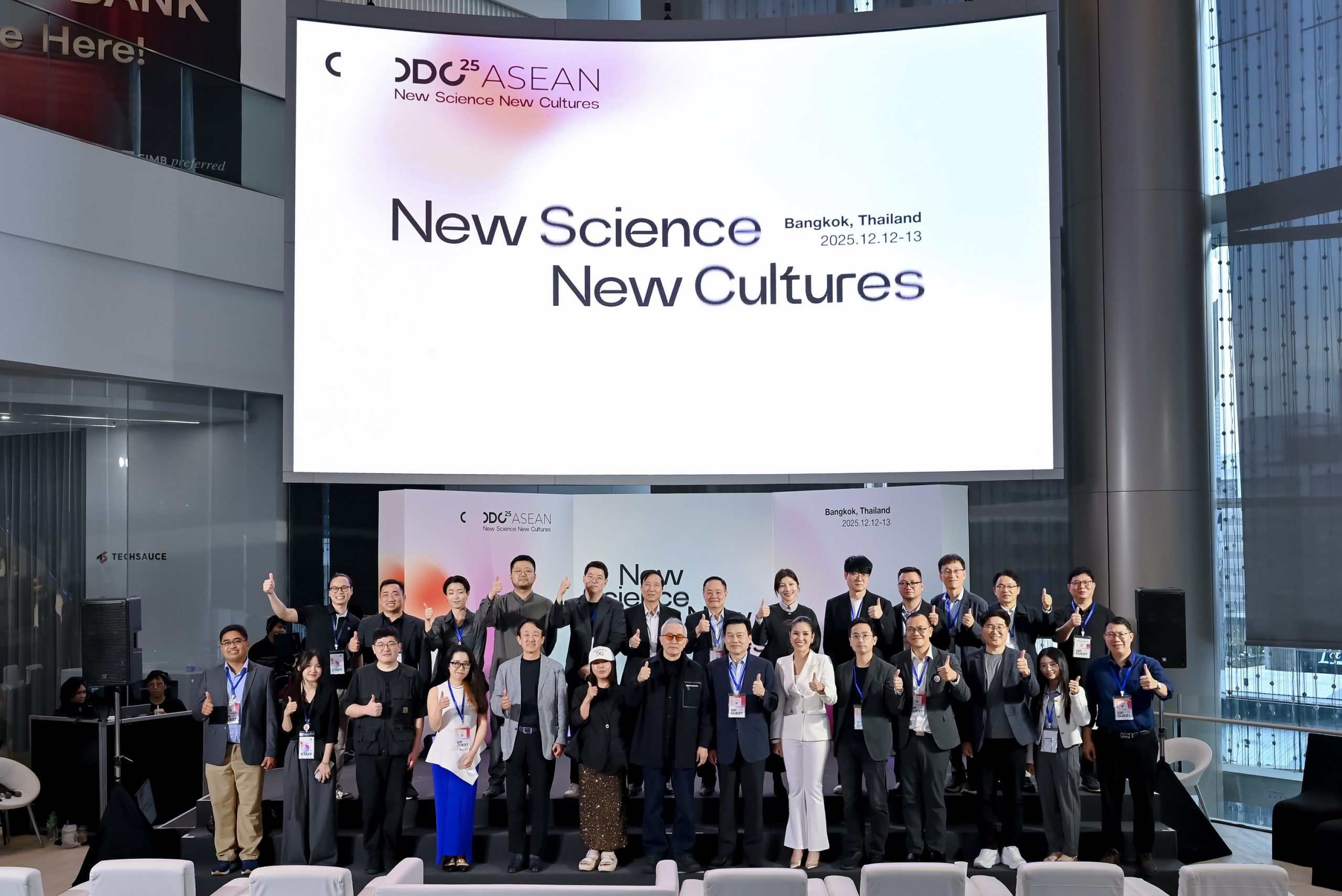
ODC25 ASEAN was held over two days, December 12-13, 2025, at Siam Paragon in Bangkok with the goal of sharing advances in organoid research across academia and industry. Founded in 2018 and now partnering with more than 50 institutions worldwide, the conference is uniquely positioned to integrate perspectives from both the arts and the sciences on a global scale to promote the development of organoid research.
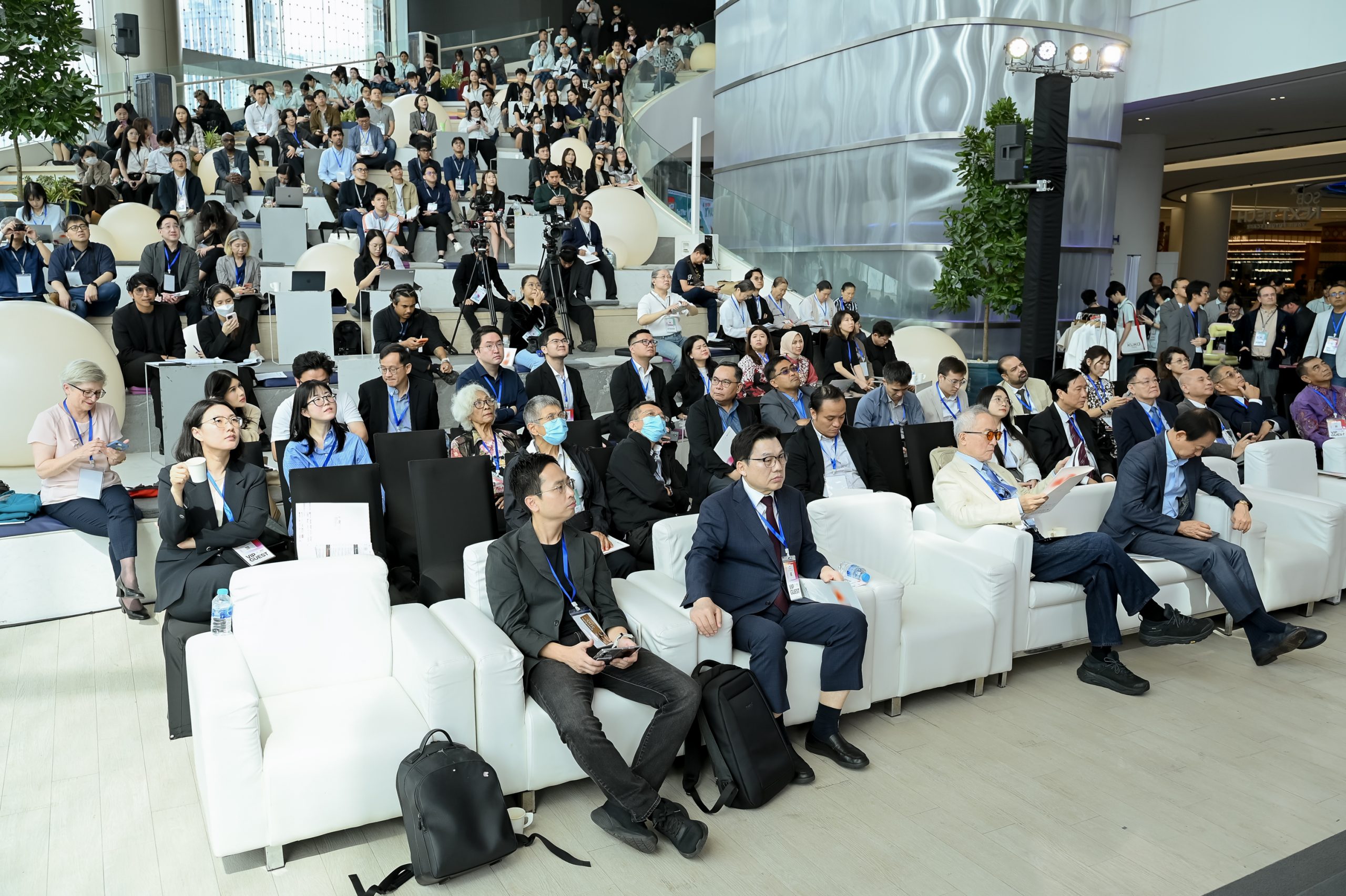
“We believe that understanding life requires more than scientific inquiry alone — it demands exploration through art, design, philosophy, and the humanities. The complexity and depth of life cannot be fully grasped through any single discipline.”
FabCafe’s commitment to cultivating creative communities within design and technology often leads to opportunities for collaboration across fabrication, prototyping, and science communication. At the 2025 Organoid Developers Conference, FabCafe Bangkok presented Grow:ID, a tangible, participatory experience exploring the potential of organoids, as well as an AI film workshop as part of its broader science communication efforts. In parallel, FabCafe Kyoto offered perspectives on the intersections of open science and culture.
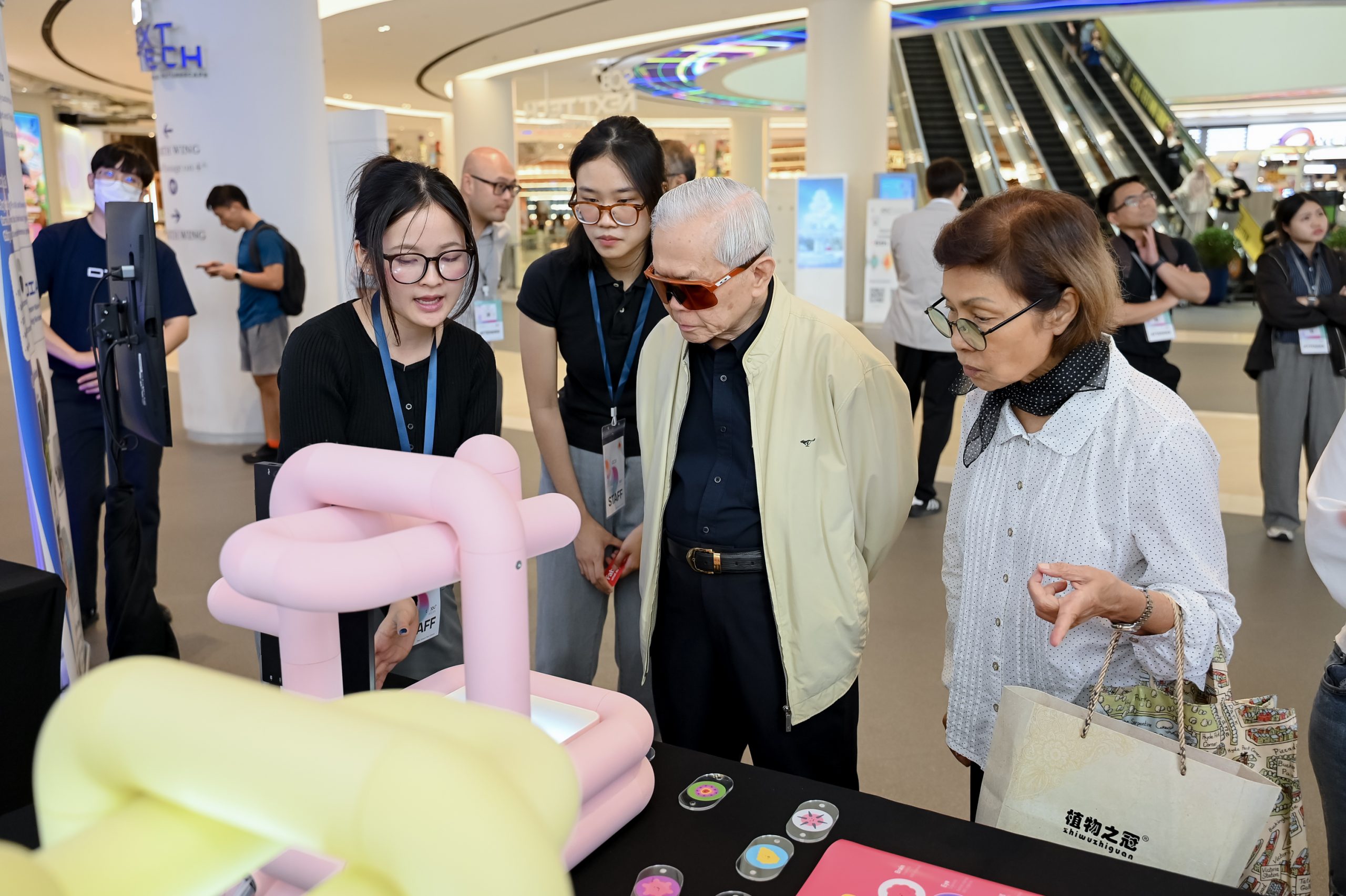
A highlight of this year’s conference was the Culture Room, a dedicated space that grounded conversations on organoids in cultural contexts. FabCafe Bangkok’s Grow:ID collaborated with Duscap AI to develop a hardware-centered experience as an entry point for cross-disciplinary dialogue. This exhibition feature was such a success, that it has led to FabCafe Bangkok to develop a potential partnership with Bangkok’s largest anatomy museum to develop participatory educational tools into a playful, hands-on setting.
Grow:ID
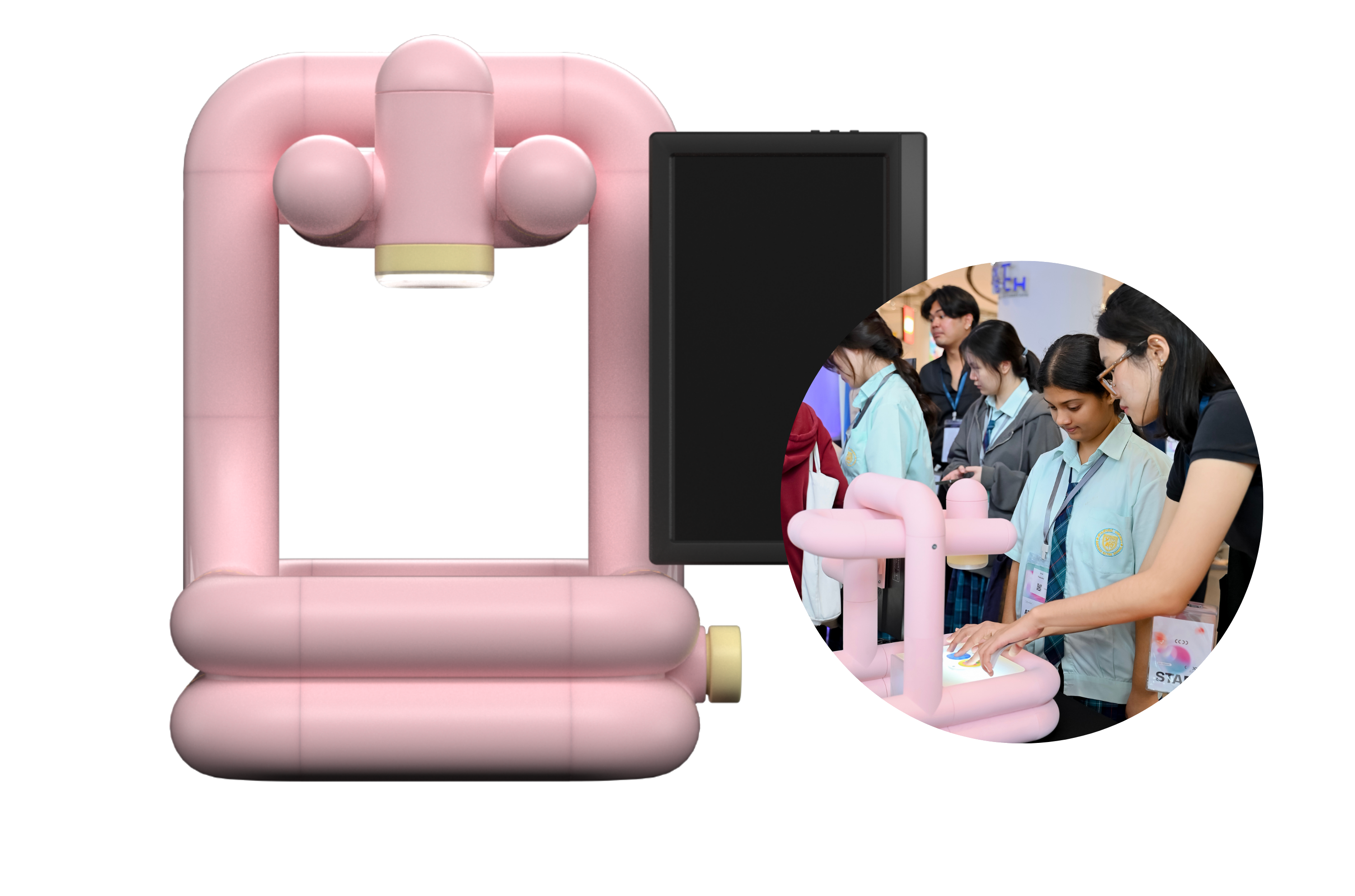
Grow:ID exemplifies FabCafe Bangkok’s approach to science communication through immersive, participatory inquiry. By transforming abstract scientific research into tangible, shared experiences, the project enables cross-disciplinary collaboration and public engagement in biotechnology.
FabCafe Bangkok’s commitment to participatory communication design is also reflected in its the AFI Film Festival Workshop, where participants use AI to direct and create films that open up conversations around animal welfare in an engaging and accessible way. By inviting people to reflect together, the workshop transforms complex ethical issues into shared cultural experiences.
AFI Film Workshop
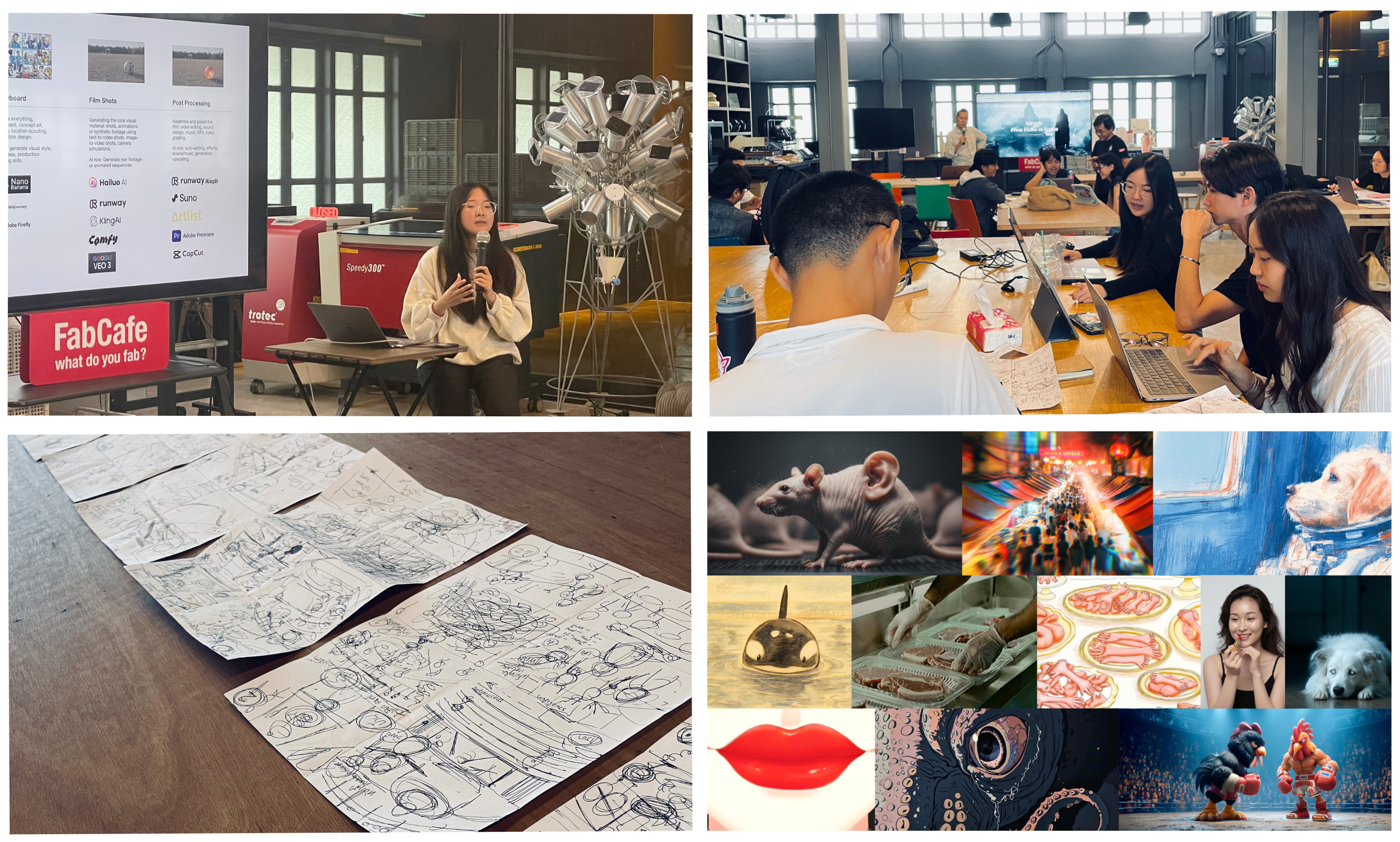
FabCafe Bangkok’s AFI Film Festival Workshop guided participants through the AI film making process from concept to realization.
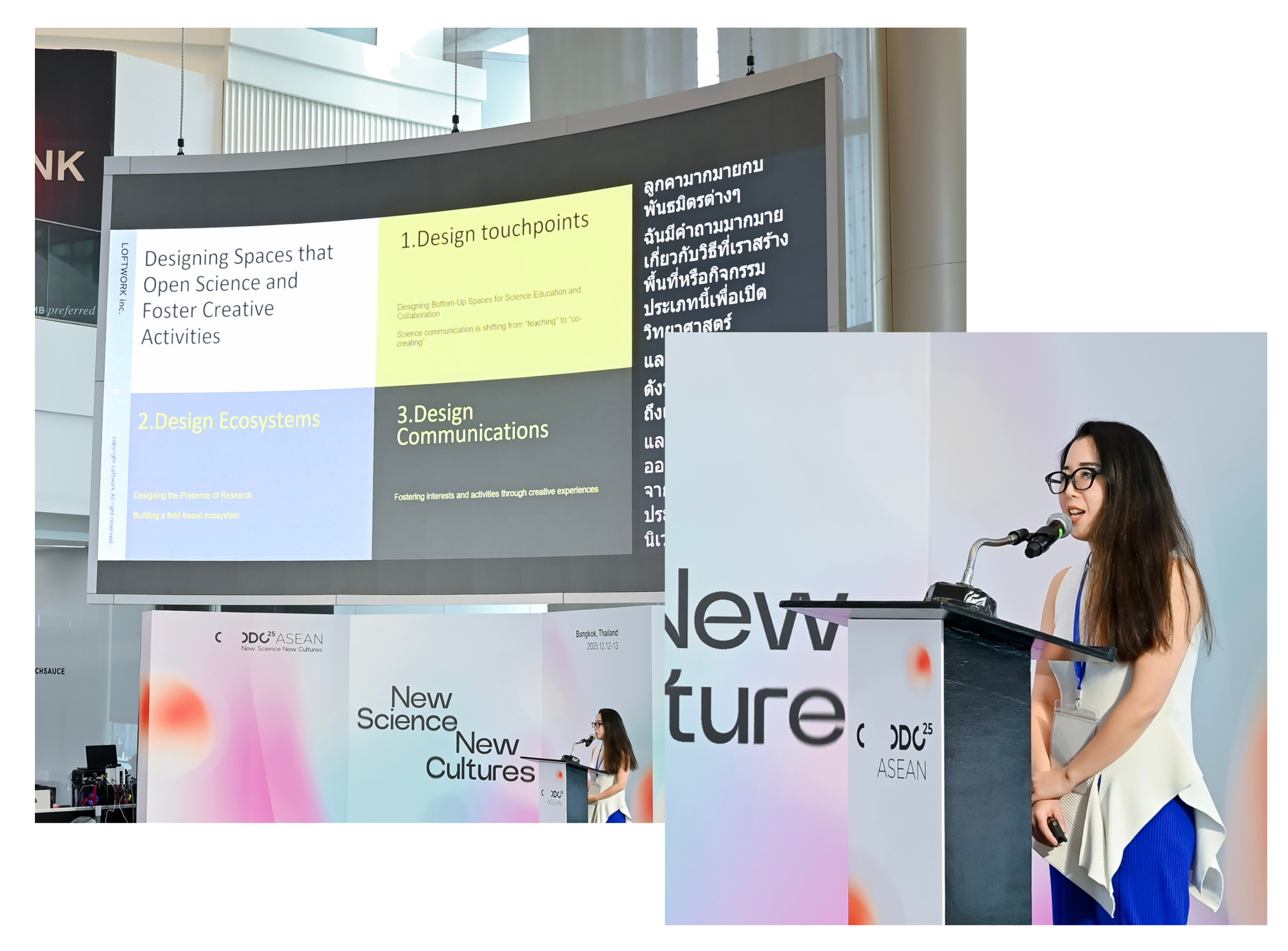
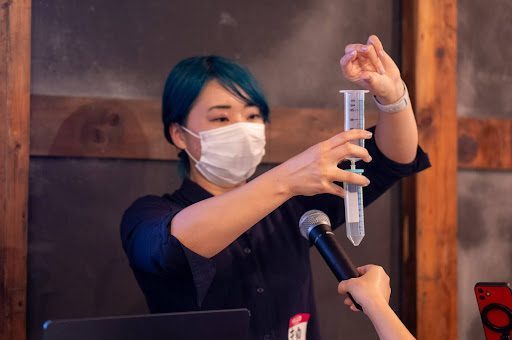
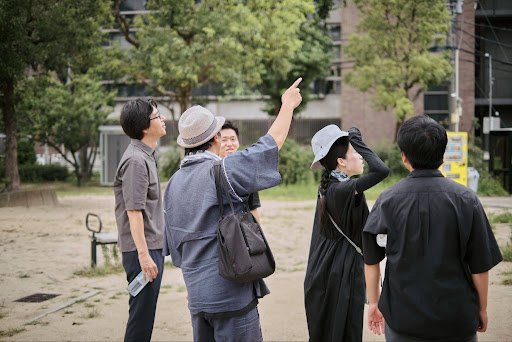
Emerging from FabCafe Kyoto, SPCS (led by Nami Urano) creates opportunities for community engagement, collaborative storytelling, and meaningful dialogue. SPCS is a project exploring design that does not control nature, spanning specialized fields. Nami Urano, focusing on science communication, introduced three approaches:
- Design Touchpoints (creating cross-disciplinary opportunities through co-creation activities)
- Design Ecosystems (designing ecosystems that expand possibilities and enable continuous activity)
- Design Communications” (designing communication that sparks interest and engagement)
She introduced examples from SPCS, FabCafe, Loftwork, and projects she personally respects.
The slides from the presentation are available below.
SPCS
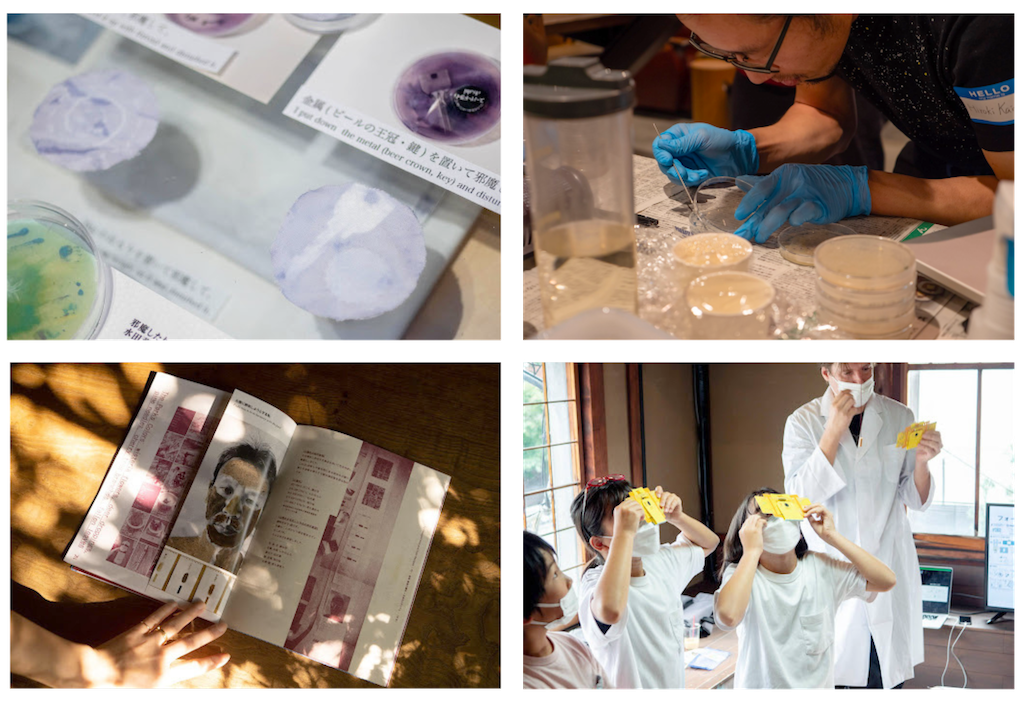
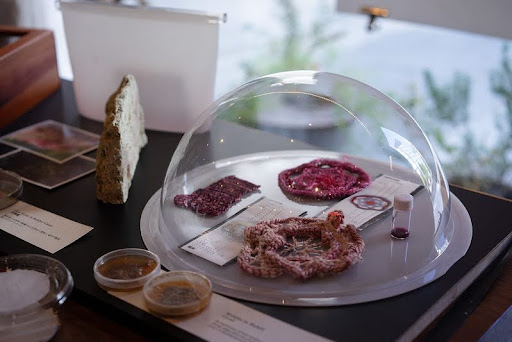
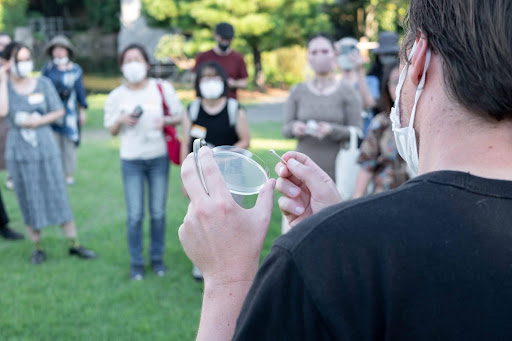
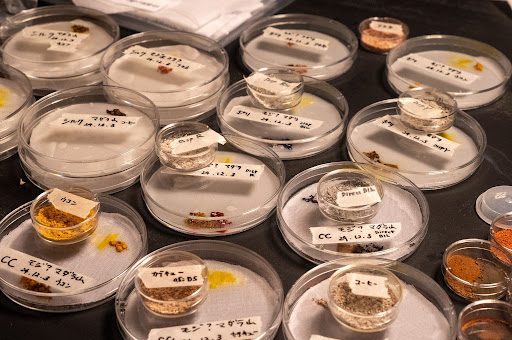
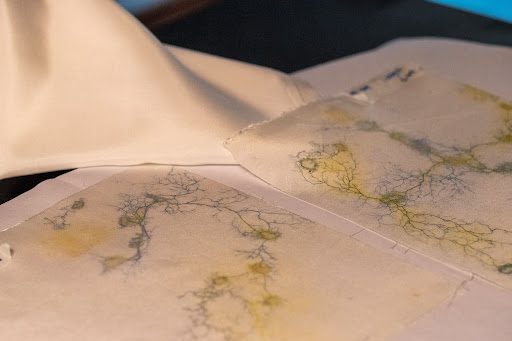
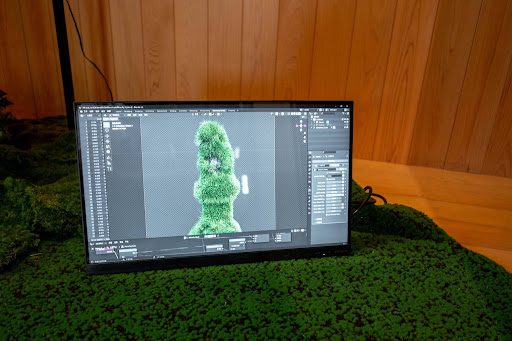
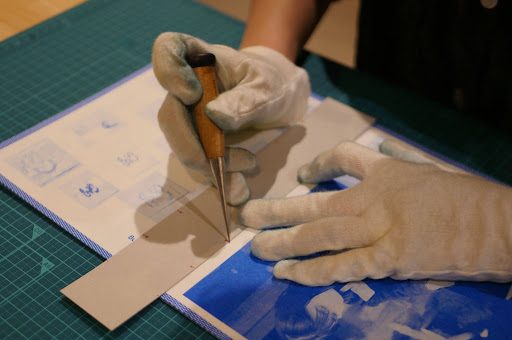
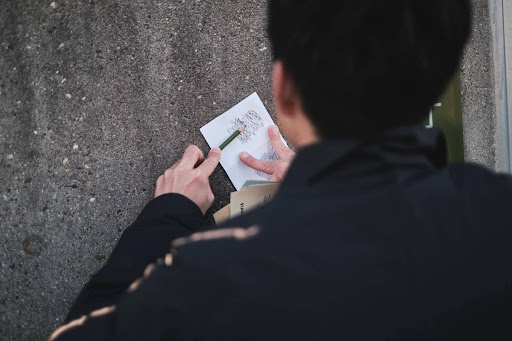
Across projects spanning citizen science, bioethics, material experimentation, urban ecology, and public exhibitions, SPCS demonstrates how research can gain presence and meaning through ecosystems rather than isolated outputs. SPCS initiatives focus on supporting cultural infrastructures where science, creativity, and society continuously inform one another. You can find more information on the SPCS project page.

Together, FabCafe Bangkok and FabCafe Kyoto highlight FabCafe’s distinctive value as a platform that brings science to life through both hands-on engagement and thoughtfully designed communication strategies. Building on this momentum, both teams have been invited to return to the Organoid Developers Conference later this year, highlighting their ongoing impact and contribution to cross-disciplinary engagement.


-
FabCafe Global Editorial Team
This articles is edited by FabCafe Global.
Please feel free to share your thoughts and opinions on this article with us.
→ Contact usThis articles is edited by FabCafe Global.
Please feel free to share your thoughts and opinions on this article with us.
→ Contact us -


See Branch List
See Keyword List
- #Craft
- #crQlr
- #HK Event Report
- #COUNTER_POINT
- #Prototyping
- #Design thinking workshop
- #SDG 14 Life under water
- #Miro
- #Creator Collaboration
- #Bangkok Design Week 2020
- #FabCafe Bangkok
- #Fab Meetup Hong Kong
- #FAB Ideation
- #Future City
- #COVID-19
- #Event Report
- #Sustainable
- #Business
- #Social Welfare
- #Fab Meetup
- #Exhibition
- #Art
- #SDGs
- #Haptic Design
- #Material
- #Drawing
- #Wood
- #Hackathon
- #AI
- #Agriculture
- #YouFab
- #Workshop
- #Meetup
- #AWRD
- #Bio
- #Global Goals Jam
- #XR (VR/AR/MR)
- #Talk Event
- #Ideathon
- #Embroidery
- #Material Meetup
- #Innovation
- #Architecture
- #Interview
- #Education
- #3D
- #Business Projects
- #Community