


Event report
April 21, 2026
FabCafe Global Editorial Team
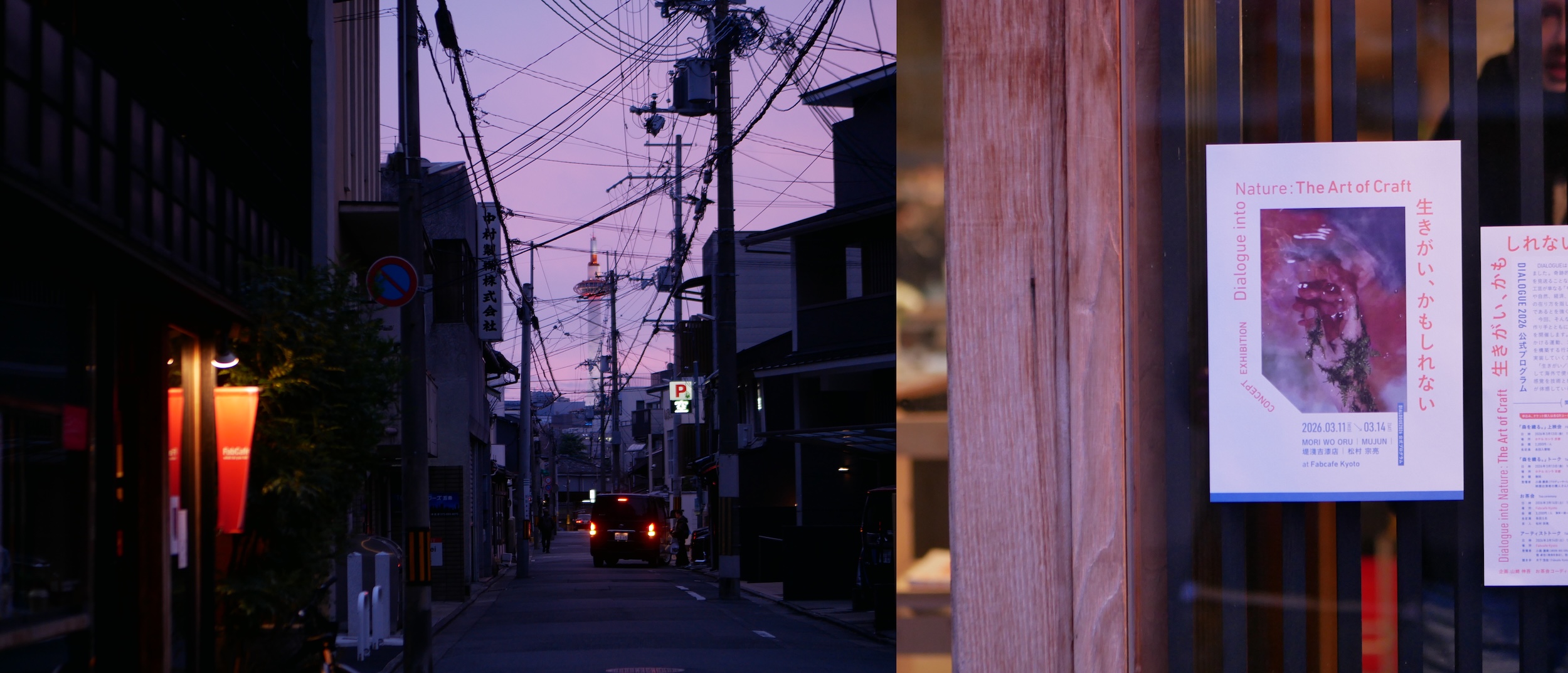
In March 2026, FabCafe Kyoto hosted “DIALOGUE: The Art of Craft, This, Might Be IKIGAI” a concept exhibition bringing together makers whose work connects traditional craft, ecological consciousness, and contemporary questions about how we live with materials.
Ikigai is a Japanese concept that translates to “reason for living” or “a sense of purpose in life.” It describes what gives a person’s life meaning and motivation, often found in the intersection of what one loves, what one is good at, what the world needs, and what sustains one’s livelihood.
DIALOGUE is a platform to showcase craftspeople and their philosophies through exhibitions, talks, and partnerships. Aligning with FabCafe’s mission to highlight practitioners who are specialized in fabrication and sustainability, DIALOGUE encourages us to think about the embodied knowledge through craftspeople and ecosystems and to think about sustainability beyond one lifespan of a person or craftsperson. For more information you can visit their official website.
The exhibition featured MORI WO ORU (silk textiles reconnecting natural and human ecosystems), MUJUN (knife-making and satoyama regeneration in Shimane), Tsutsumi Asakichi Urushi-ten (urushi lacquer refining spanning generations), and tea practitioner Matsumura Soryo. Alisa Evans coordinated the tea ceremonies. Shingo Yamazaki (Director of DIALOGUE) curated the exhibition.
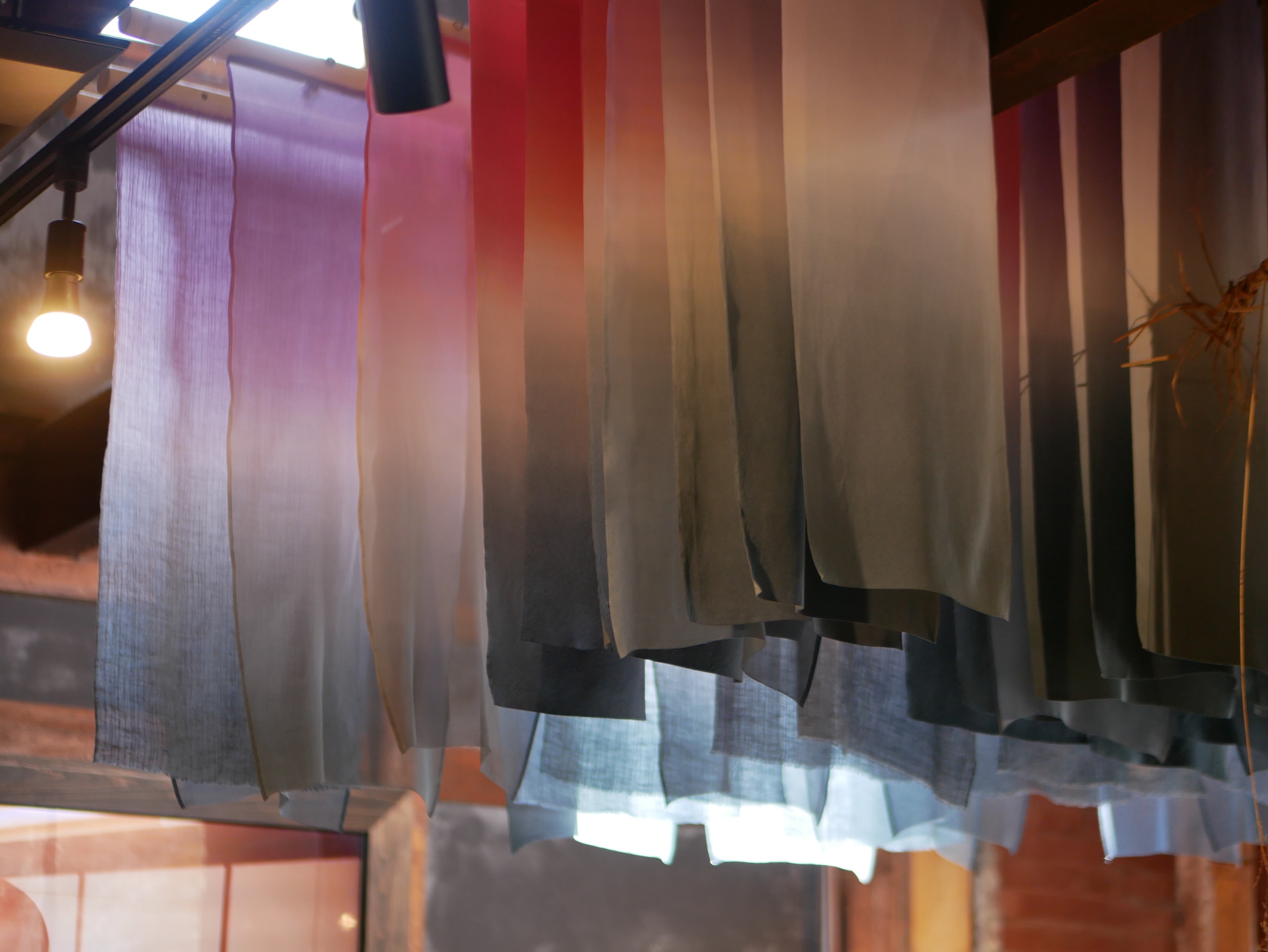 Dye work installation by MORI WO ORU.
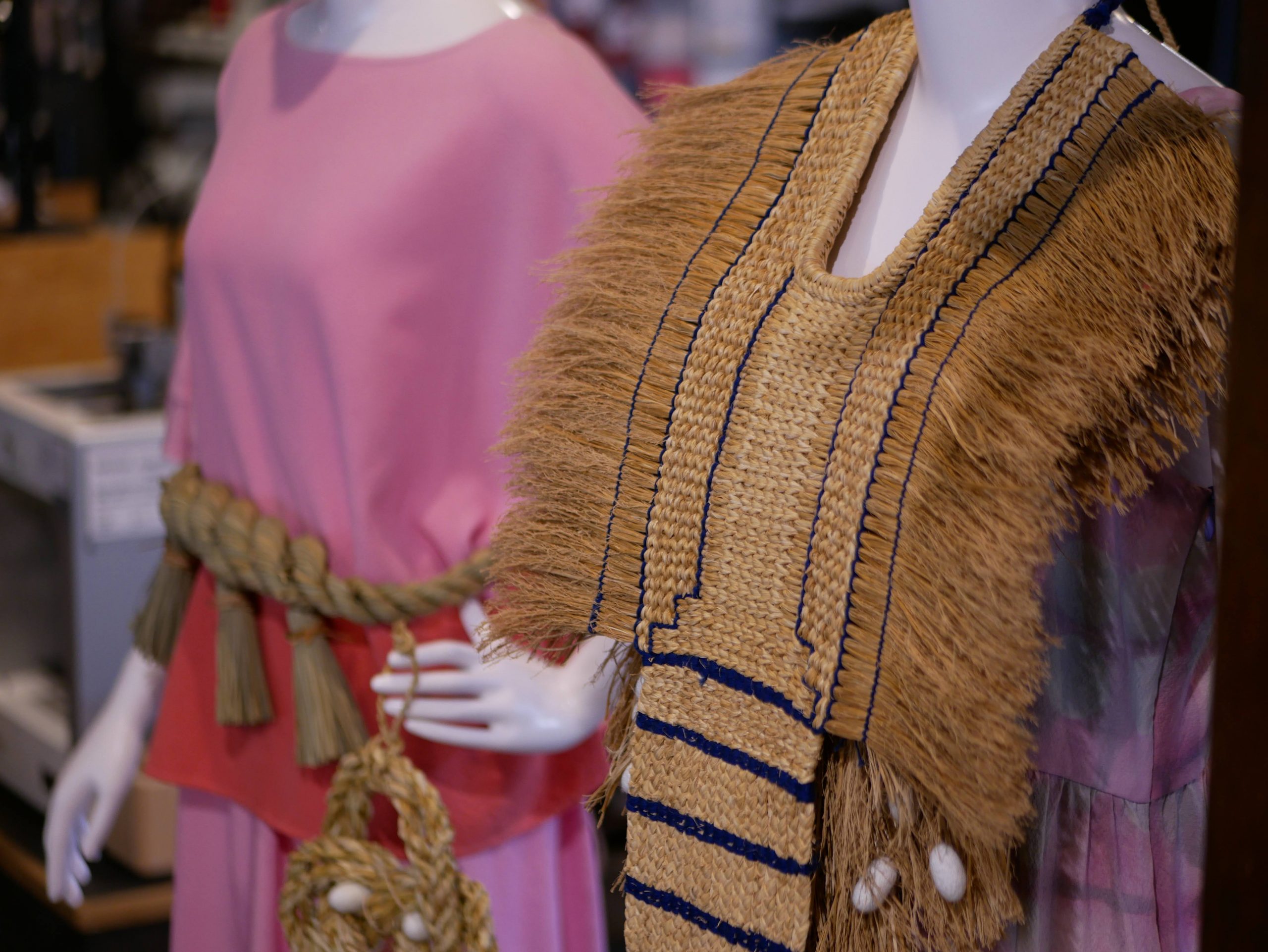
Work by MORI WO ORU.
MORI WO ORU Design Studio integrated silk cocoons into their display. During the event, they also screened a documentary film named “Weaving the Forest.” which they produced. The documentary conveys the beauty of life through Japan’s silk weaving industry.
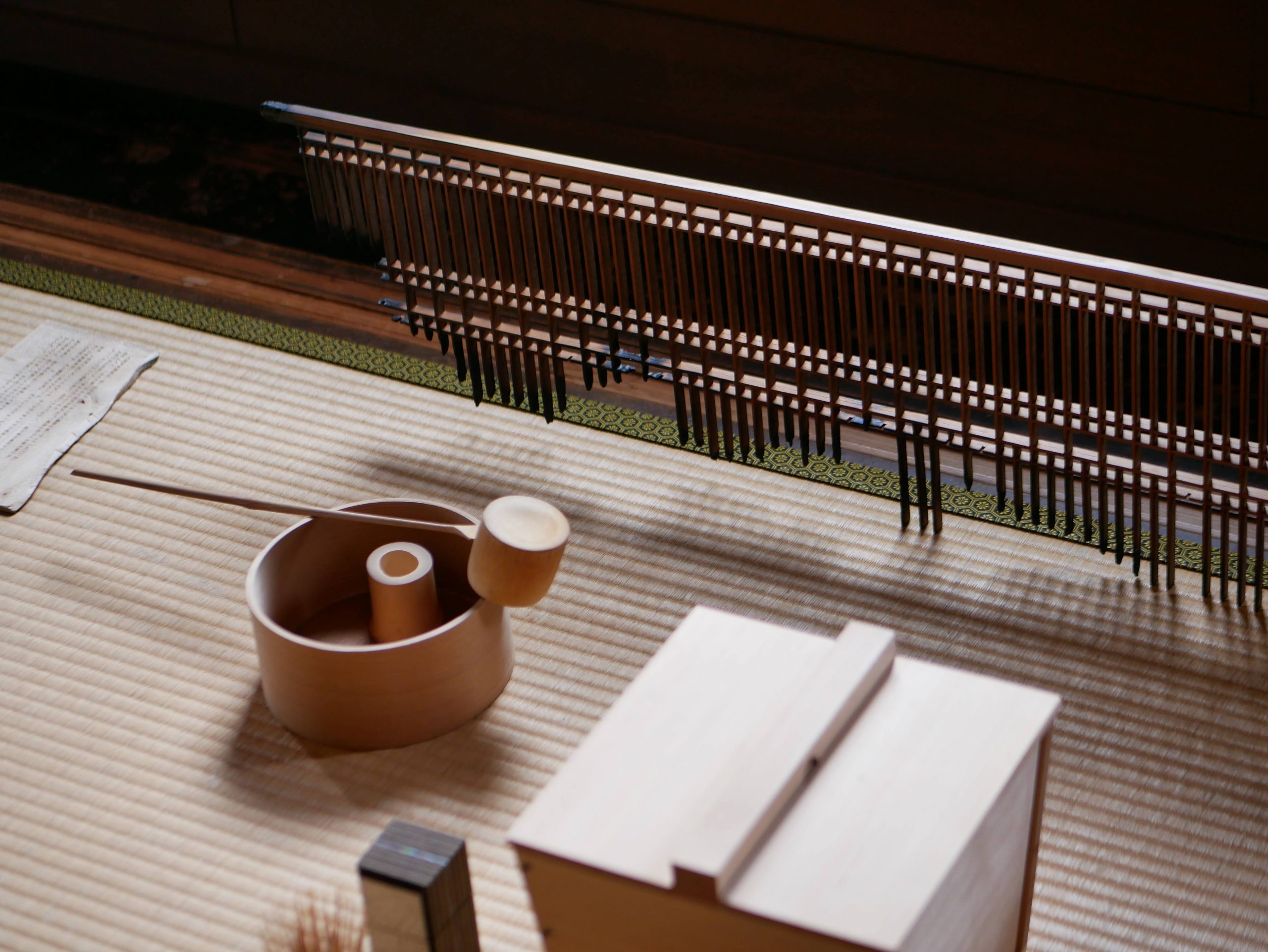
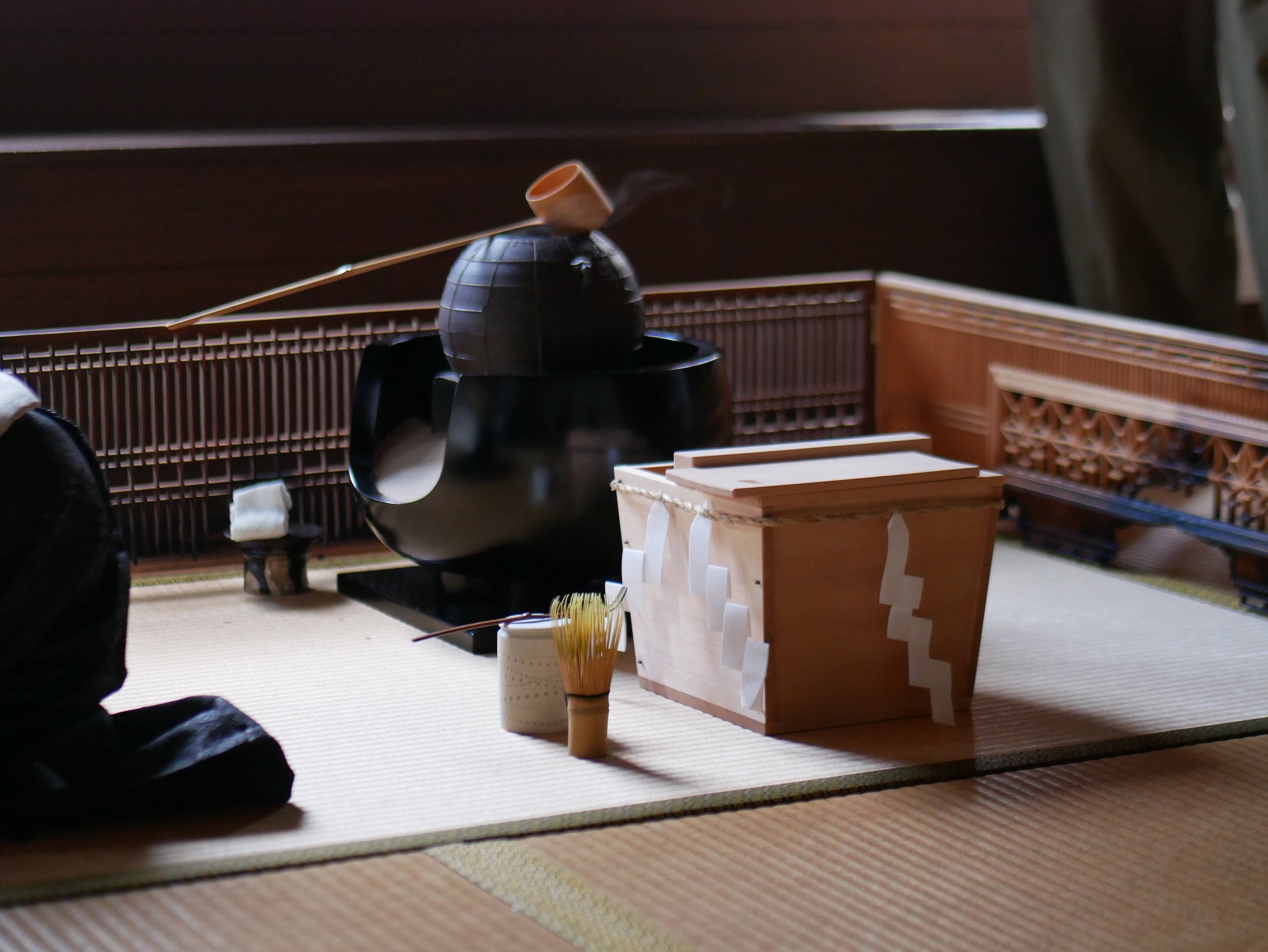
Matsumura Soryo’s preparation for a tea ceremony where a few sessions were open to the public.
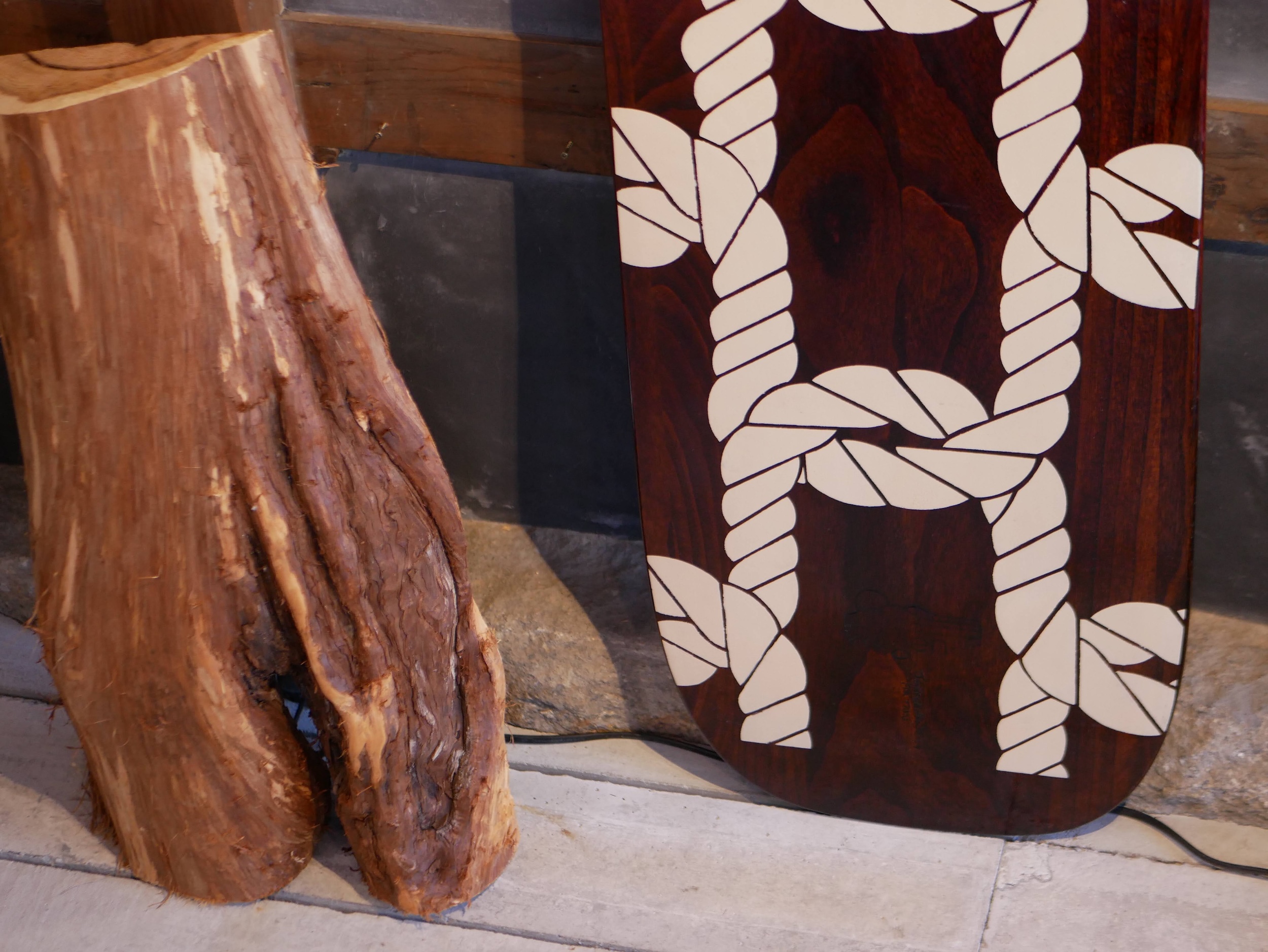
Surfboards on display by Tsutsumi Asakichi Urushi Inc., a lacquer manufacturer that was founded more than 100 years ago in 1909.
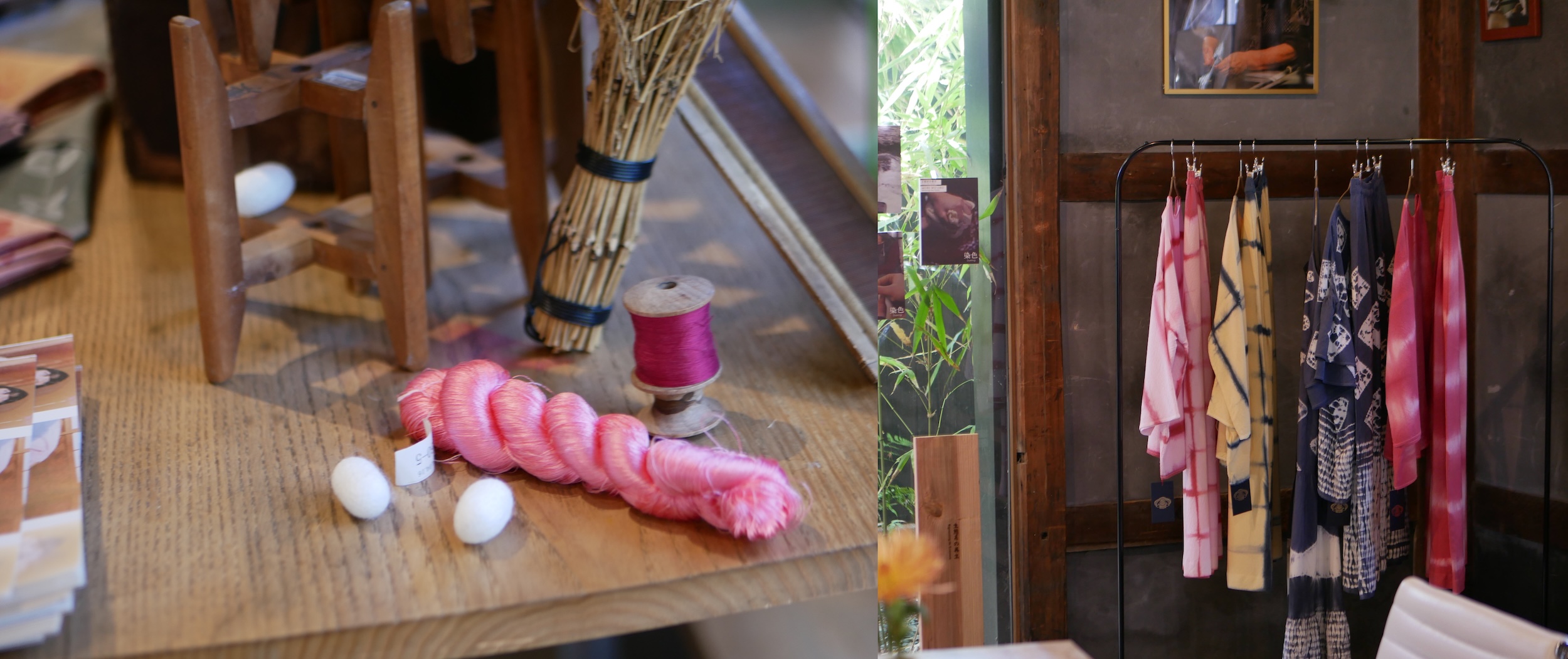 Work by MORI WO ORU.
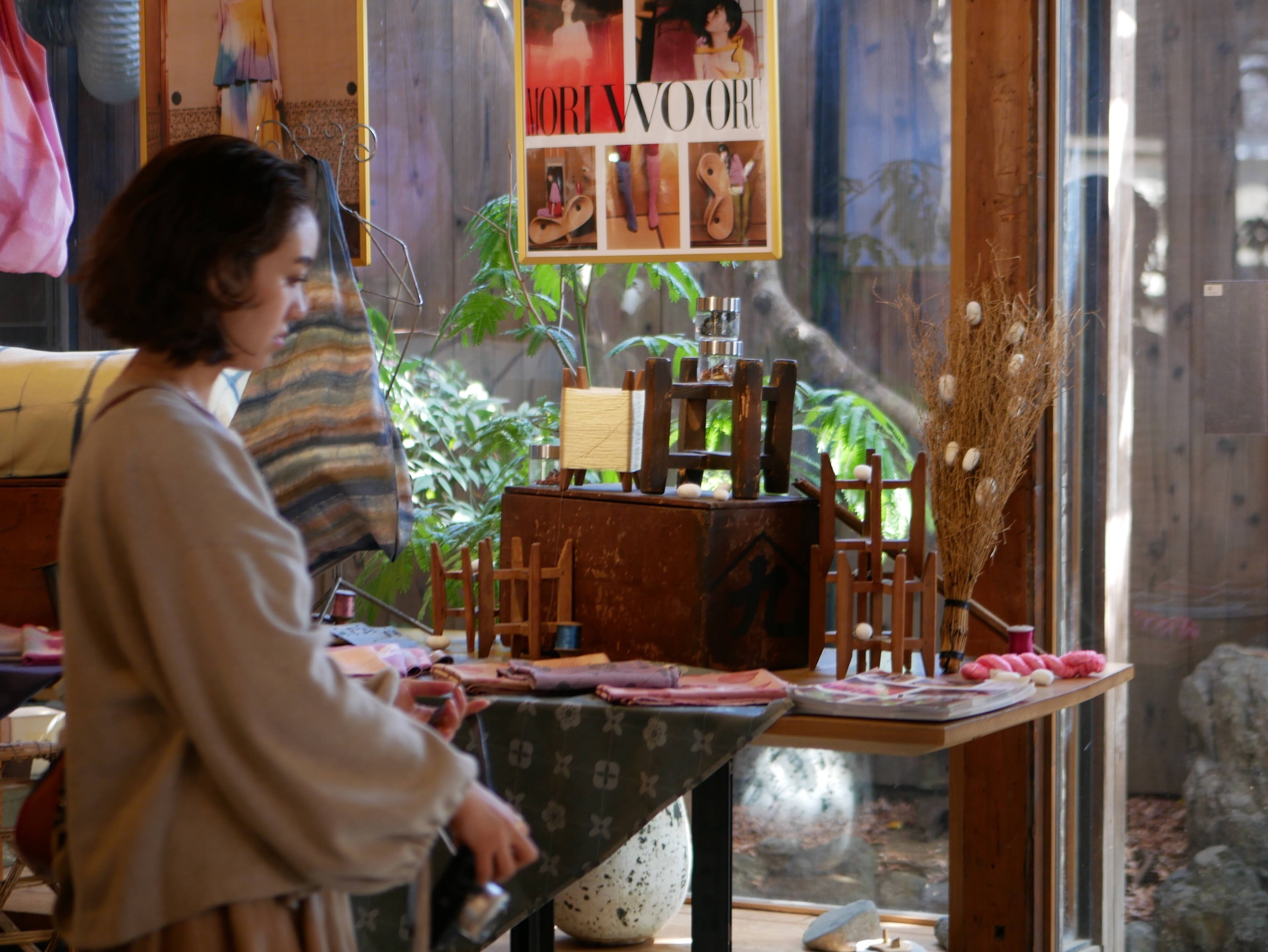
MORI WO ORU’s fantastic display of textile based designs presented the life line from silkworm to cloth in their displays.
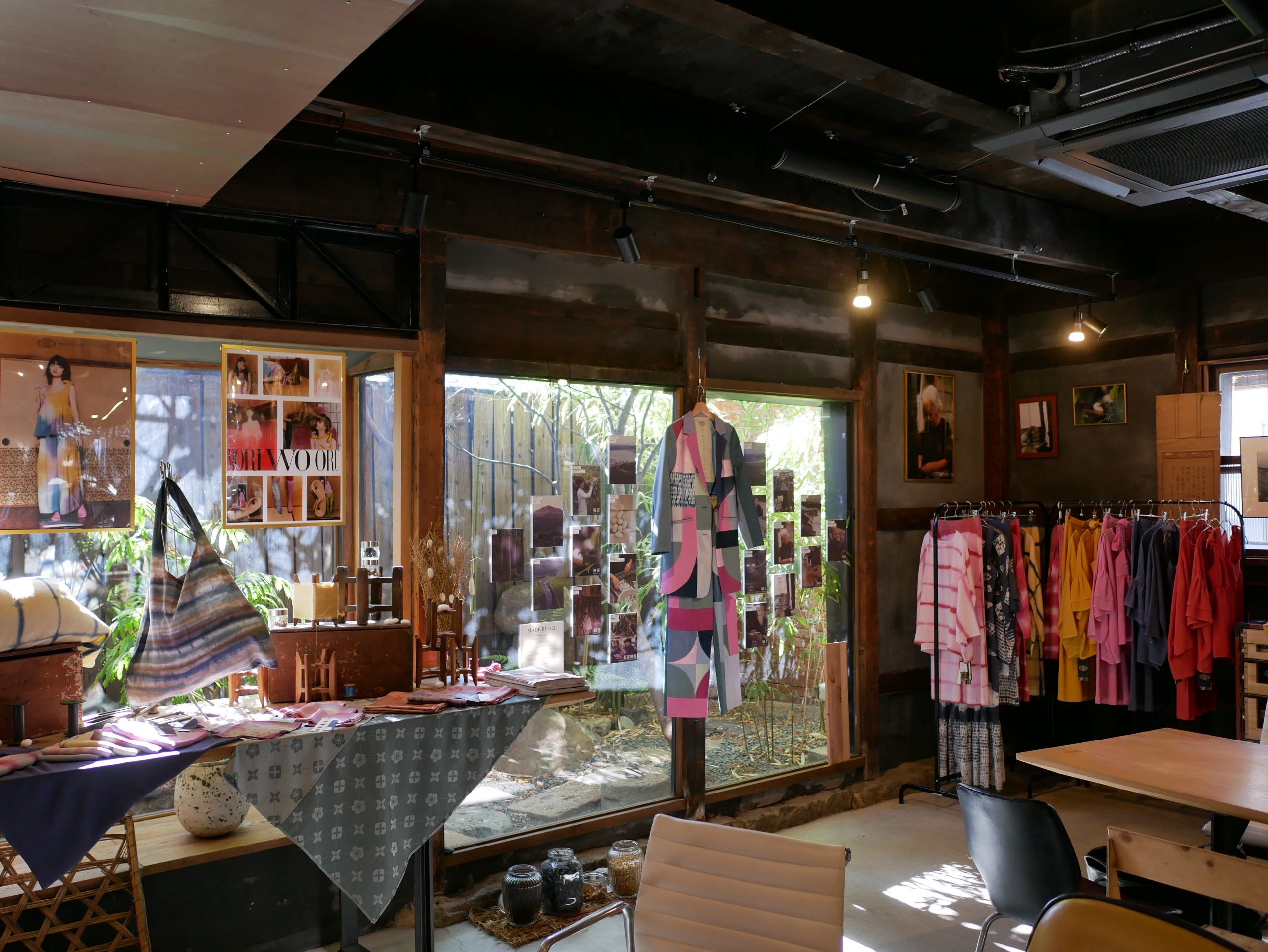
Work by MORI WO ORU.
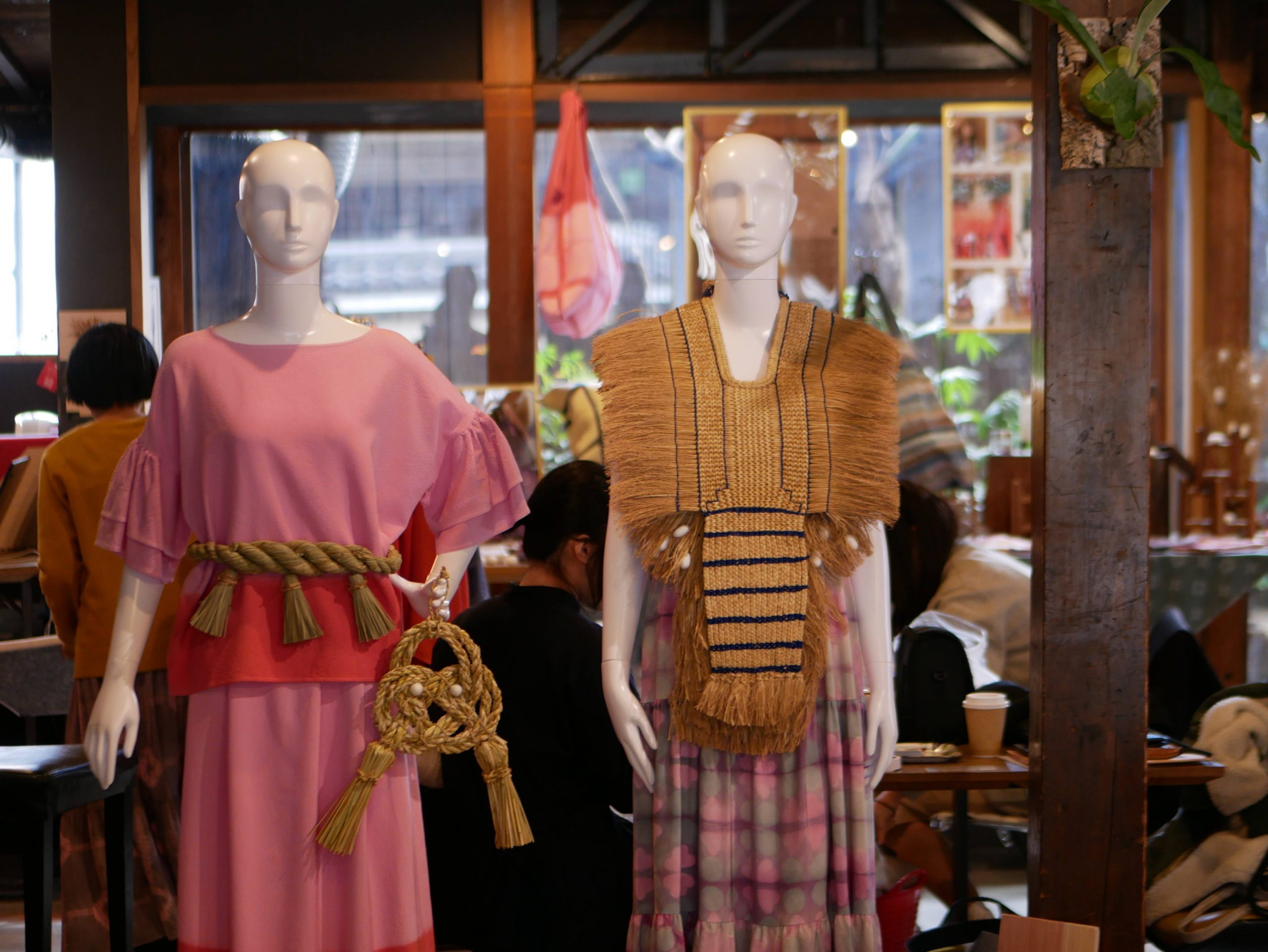
Work by MORI WO ORU.
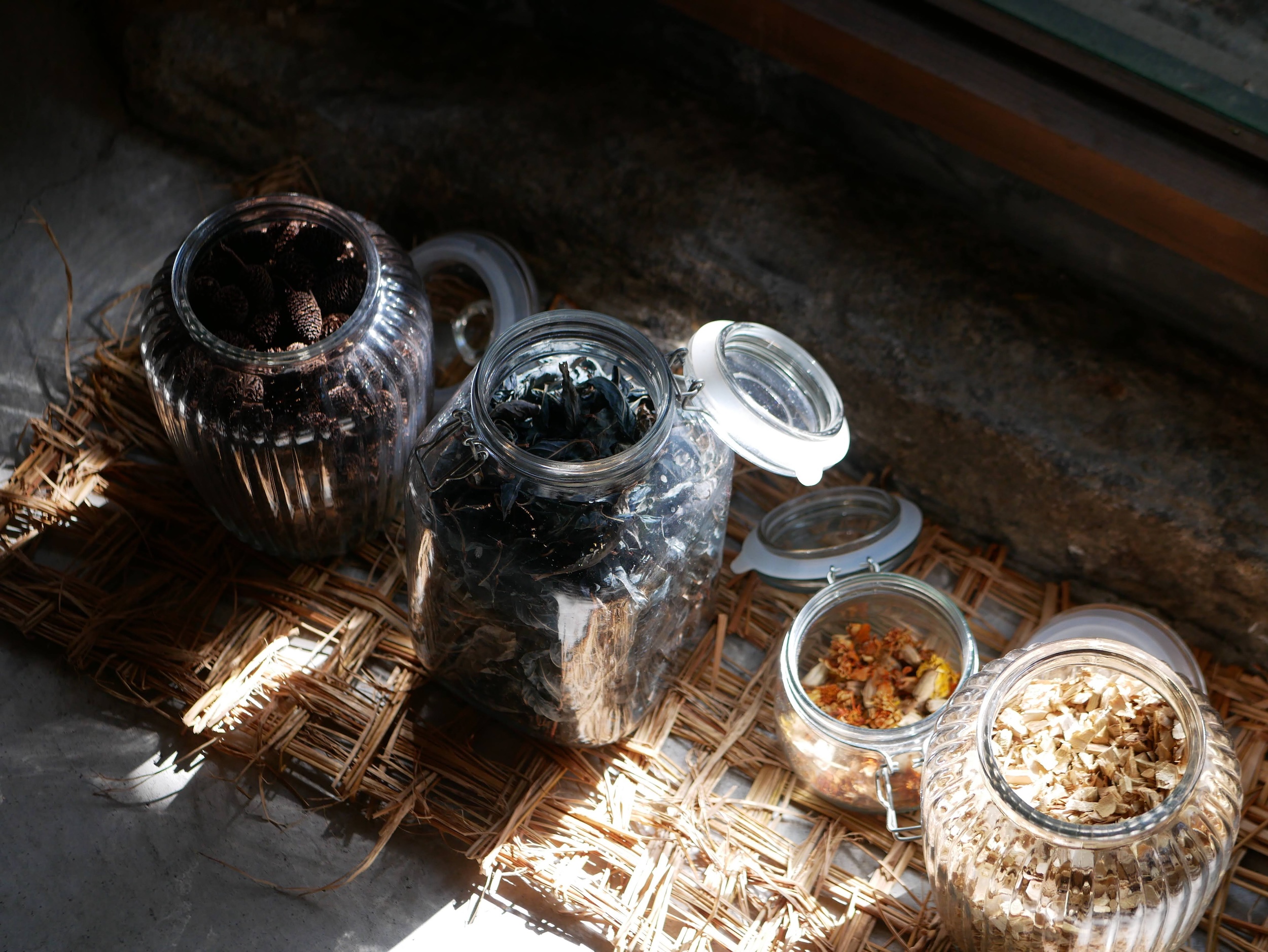
Display by MORI WO ORU.
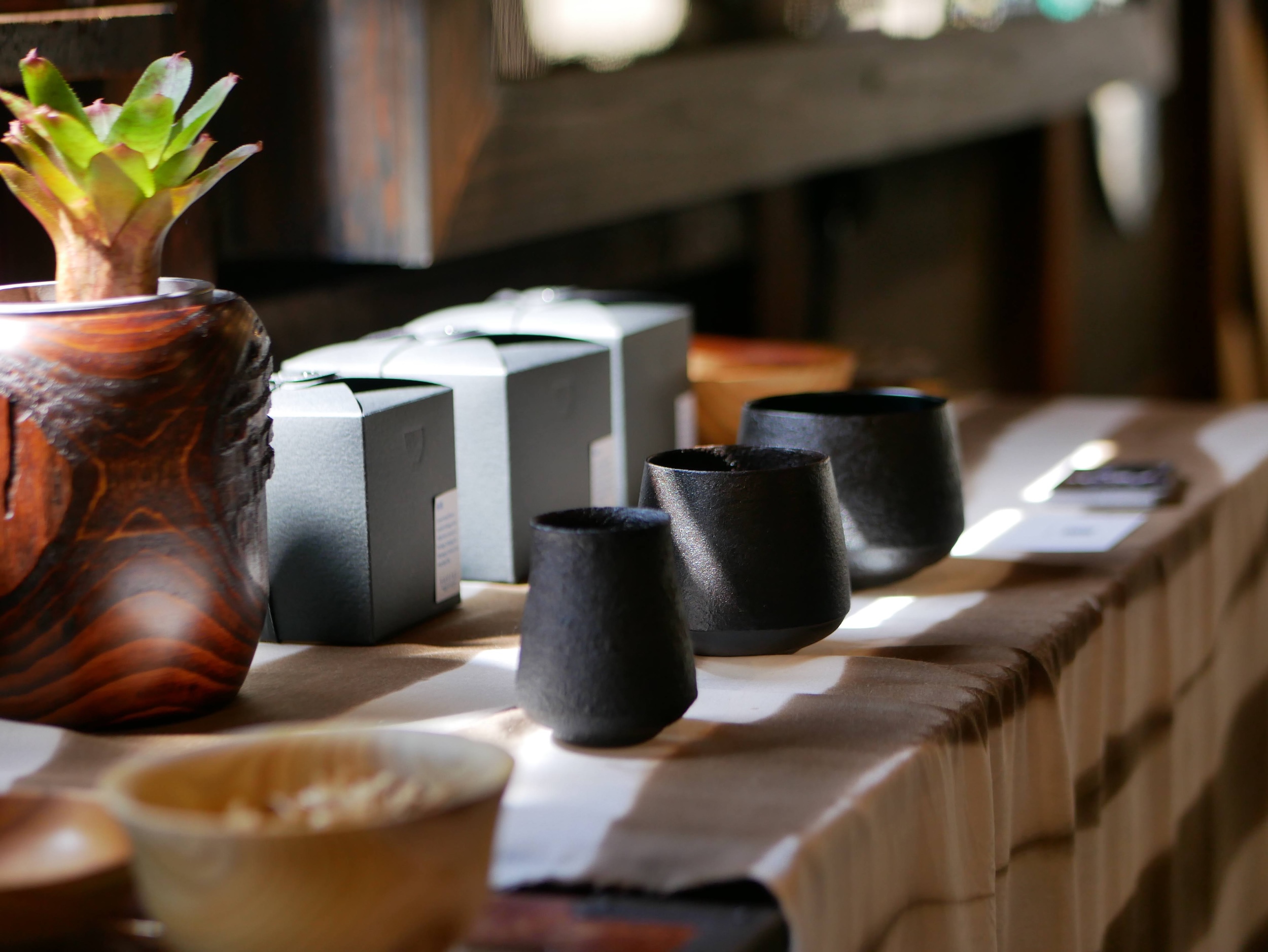
Work by Tsutsumi Asakichi Urushi Inc.
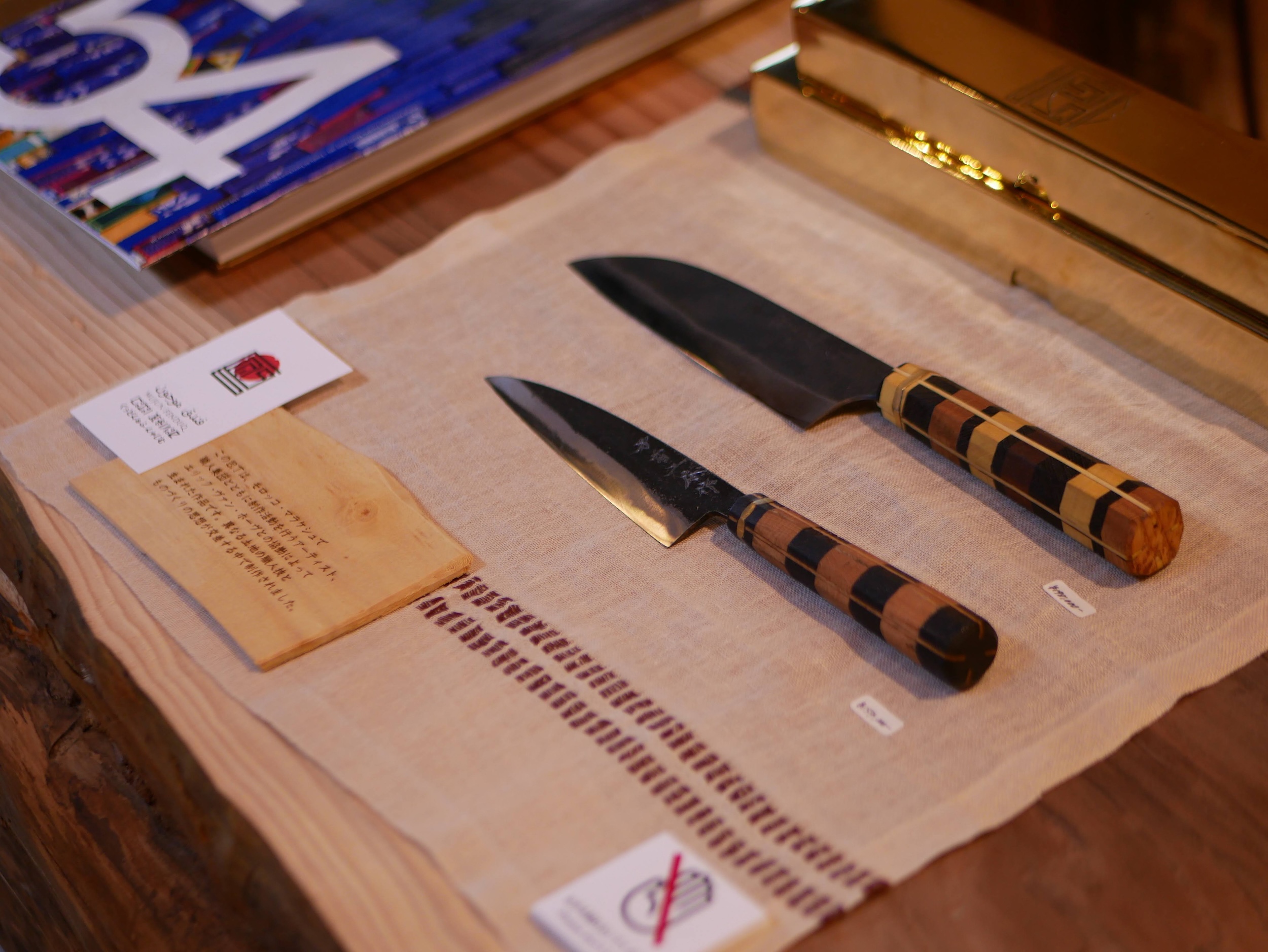
Work by MUJUN (Shinya Kobayashi).
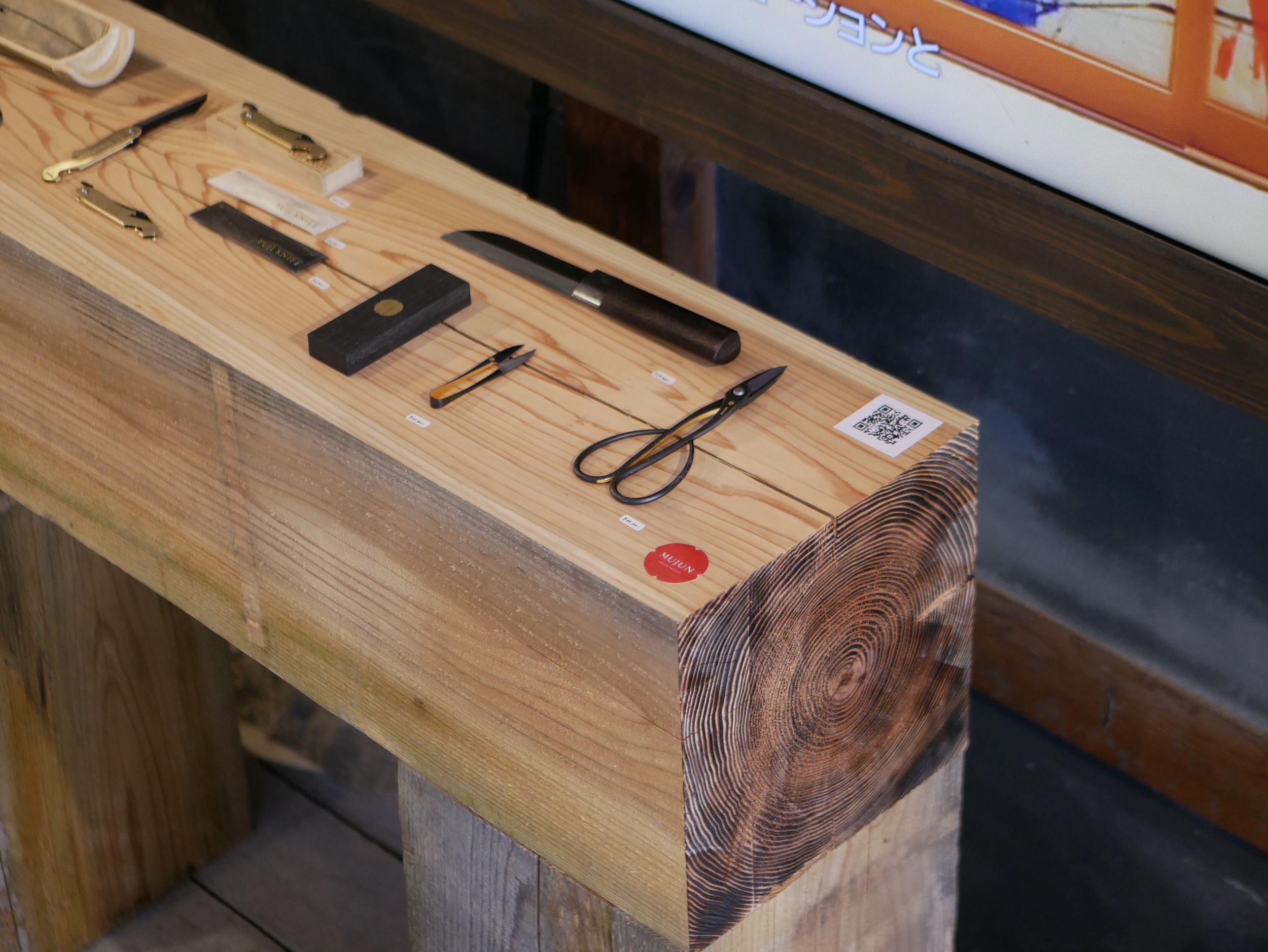
Work by MUJUN (Shinya Kobayashi).
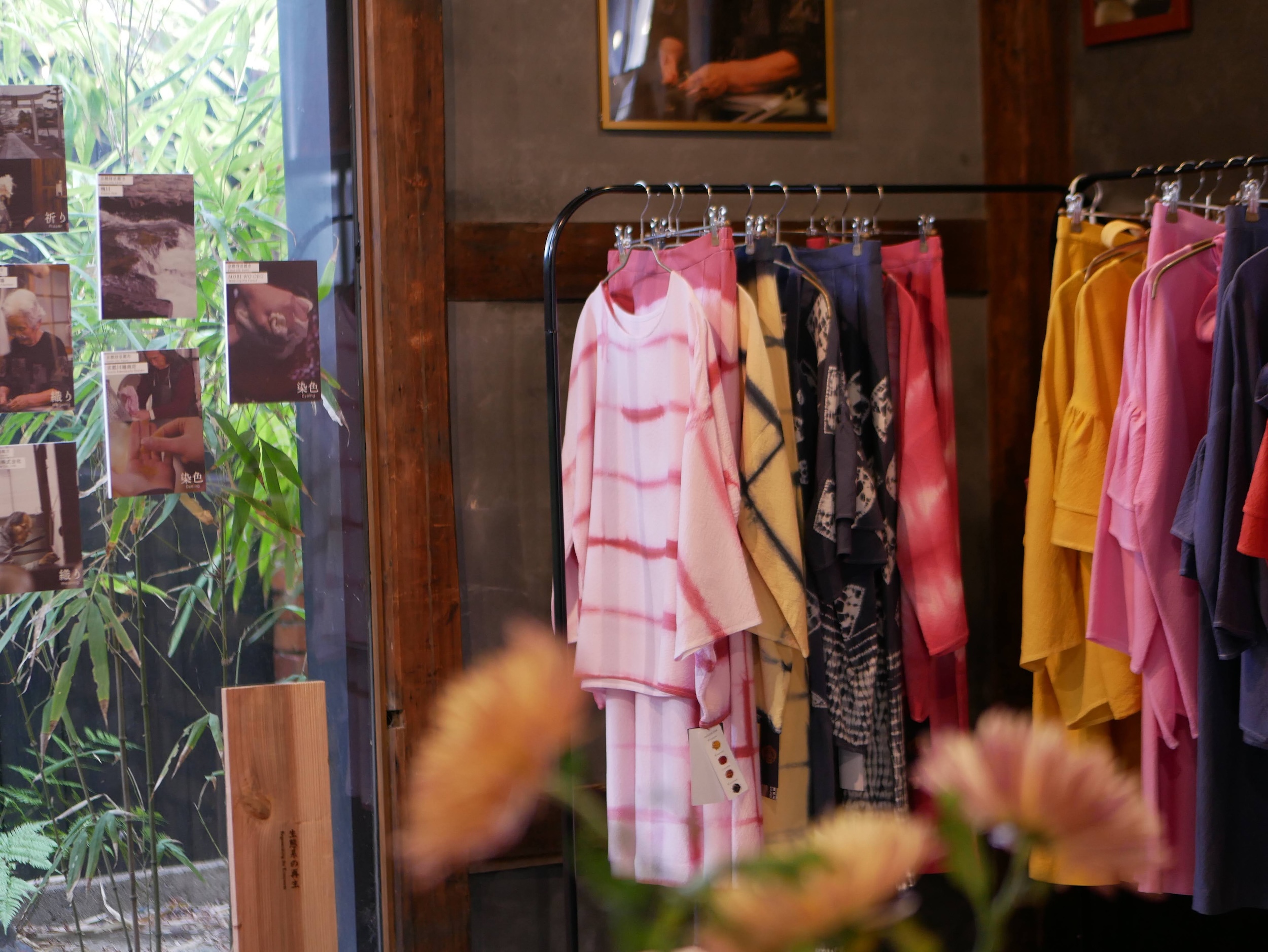
Work by MORI WO ORU.
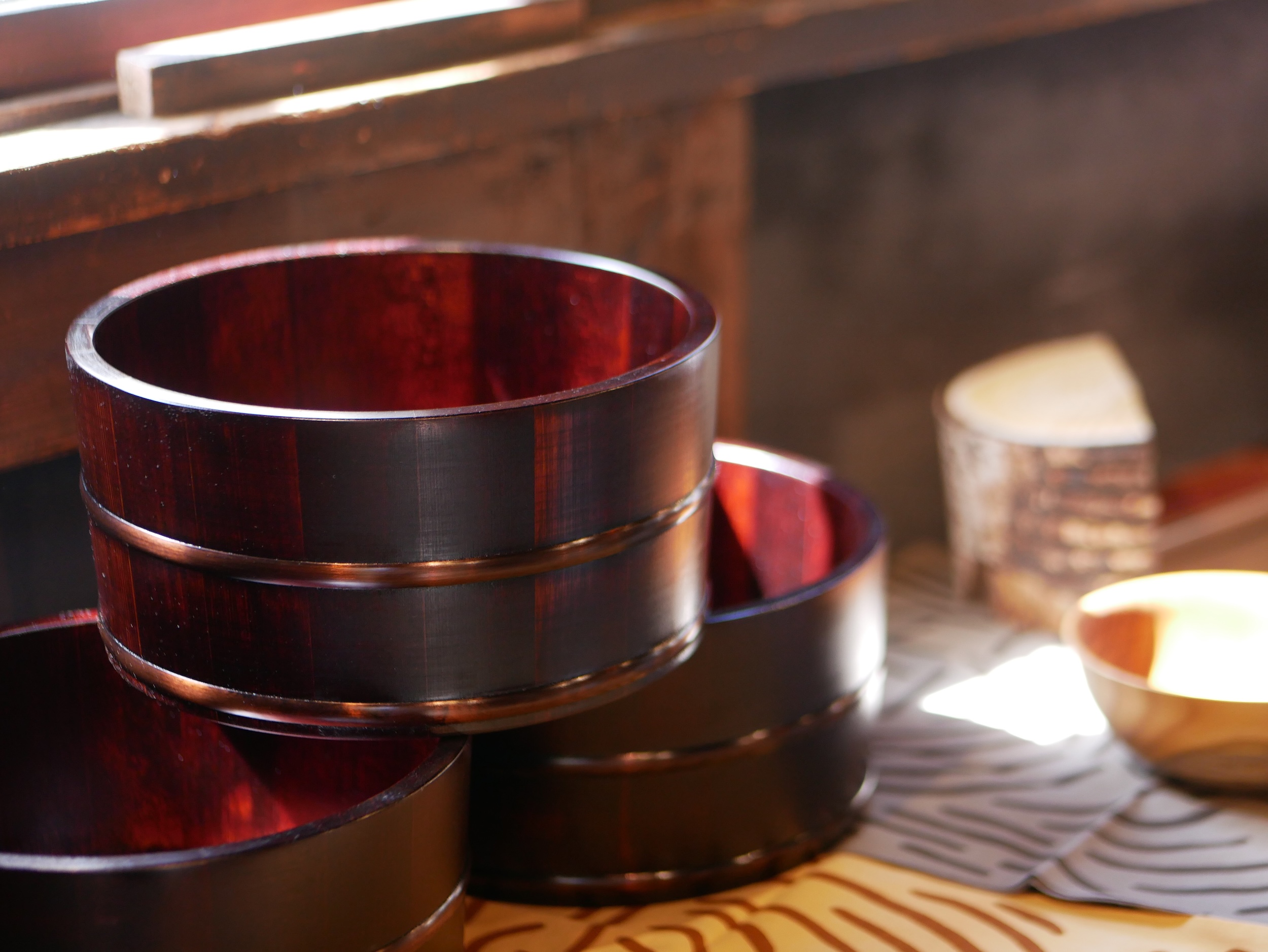
Work by Tsutsumi Asakichi Urushi Inc.
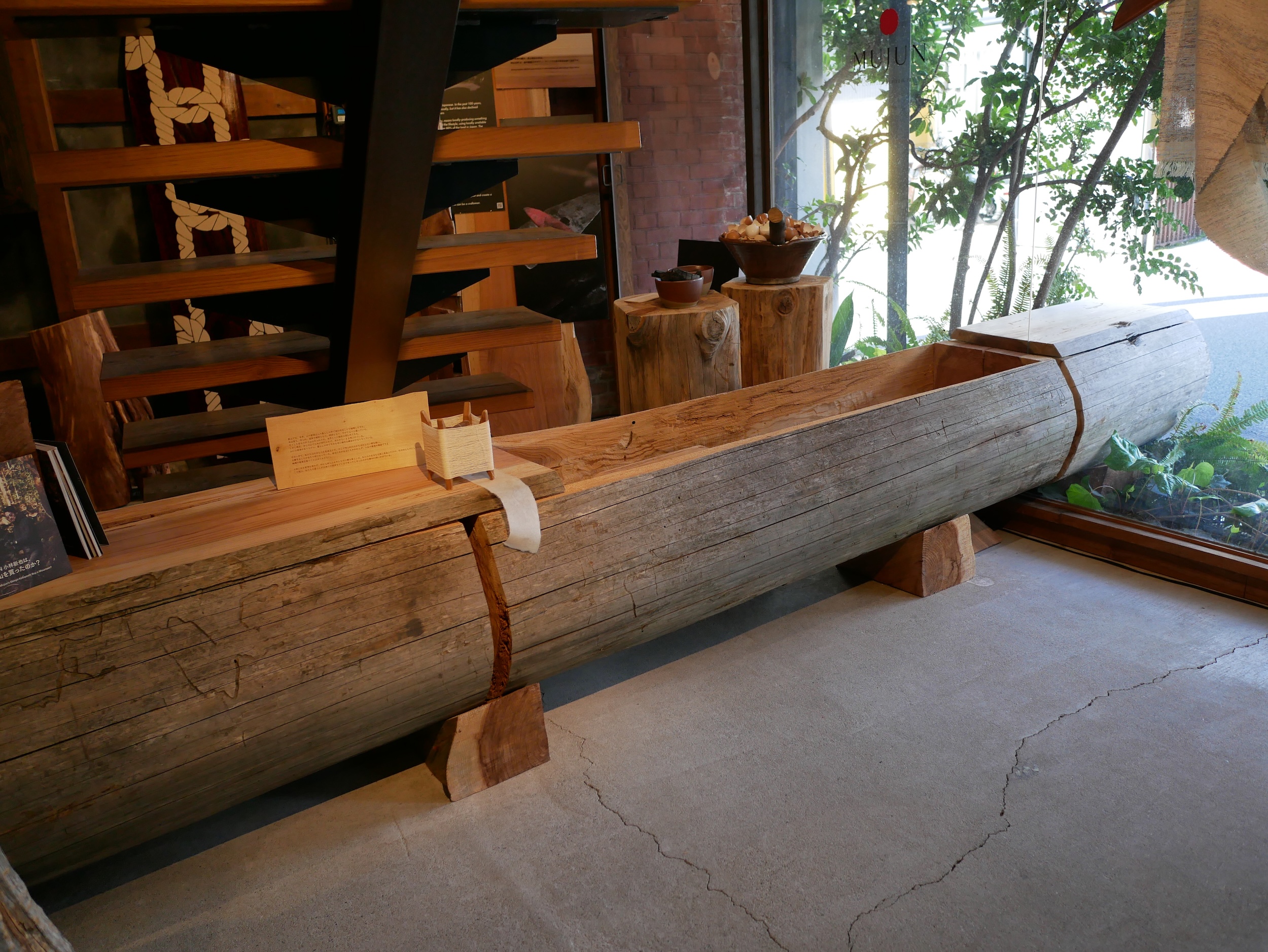
Work by MUJUN (Shinya Kobayashi).
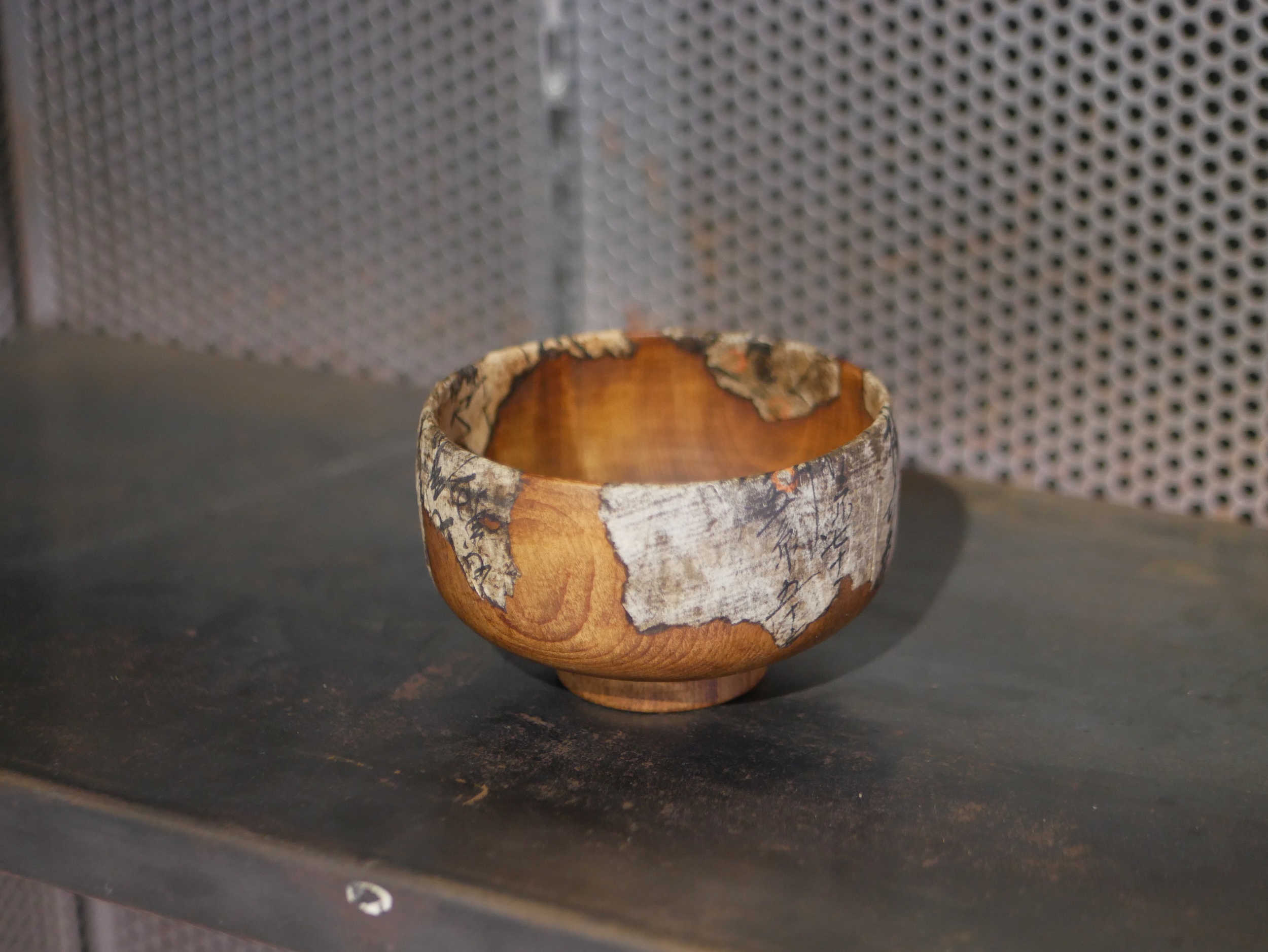
Work by Tsutsumi Asakichi Urushi Inc.
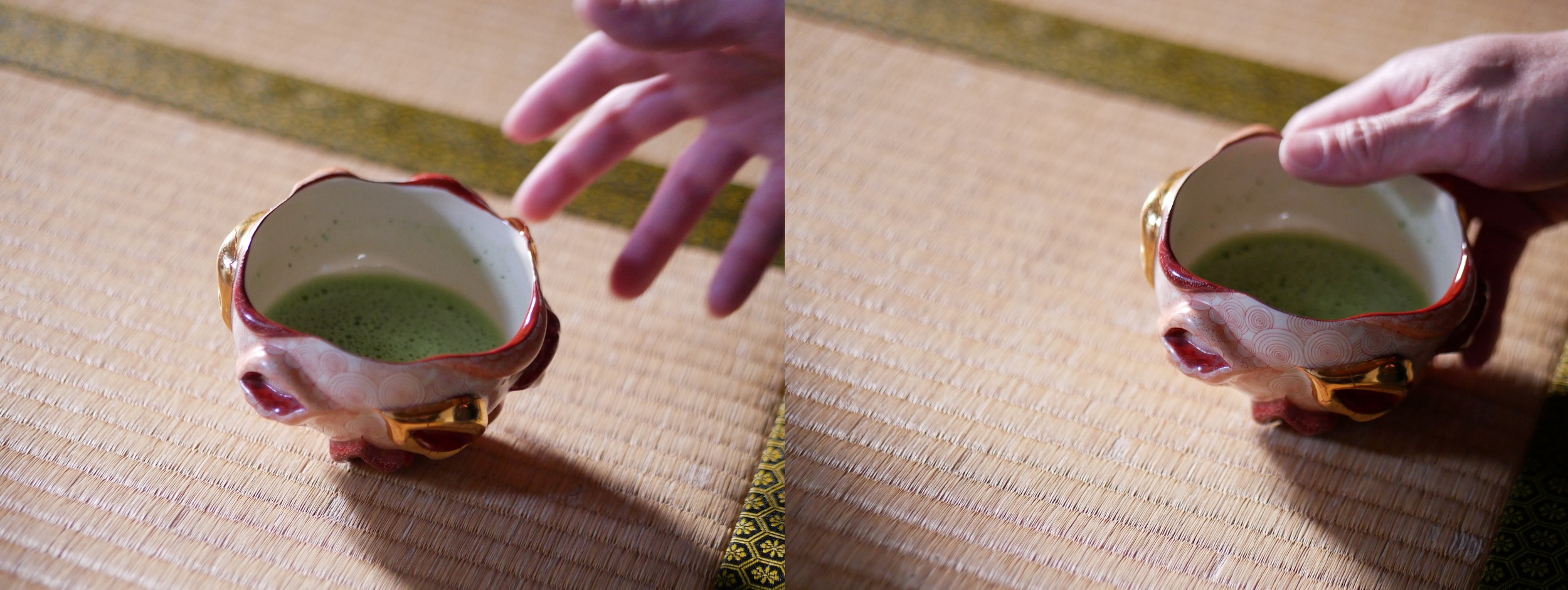
Matsumura Soryo offered three sold-out tea ceremony sessions on the final day of the exhibition (March 14) at 11:00, 15:00, and 16:00, each seating five guests.
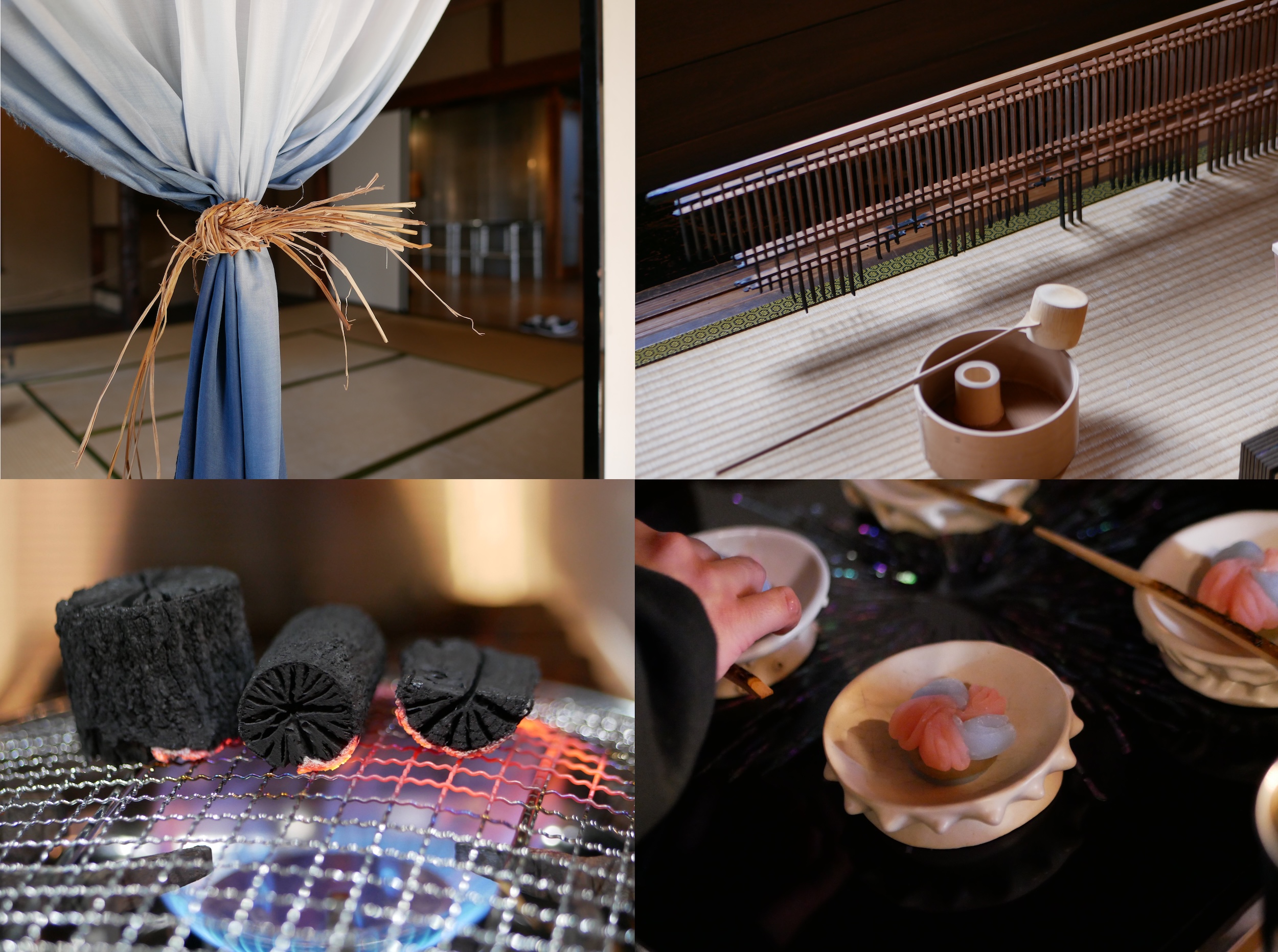
A special Japanese sweet (wagashi), named “花命- Kanomi” was made specifically for this tea ceremony and served at the event. Kanomi was made by a wagashi shop in Kyoto, directed by coordinator Alisa Evans.
During the artist talk that afternoon, Soryo reflected on a realization from the previous year: the tea ceremony he’d practiced for 30 years is already a closed-loop system. Water is drawn, leaves are ground with stone, charcoal is lit for heat, the tea is shared and received, its remnants returning gently to the soil. Clay is shaped into bowls, tree sap becomes lacquer. A 400-year-old model of material circulation, still functioning.
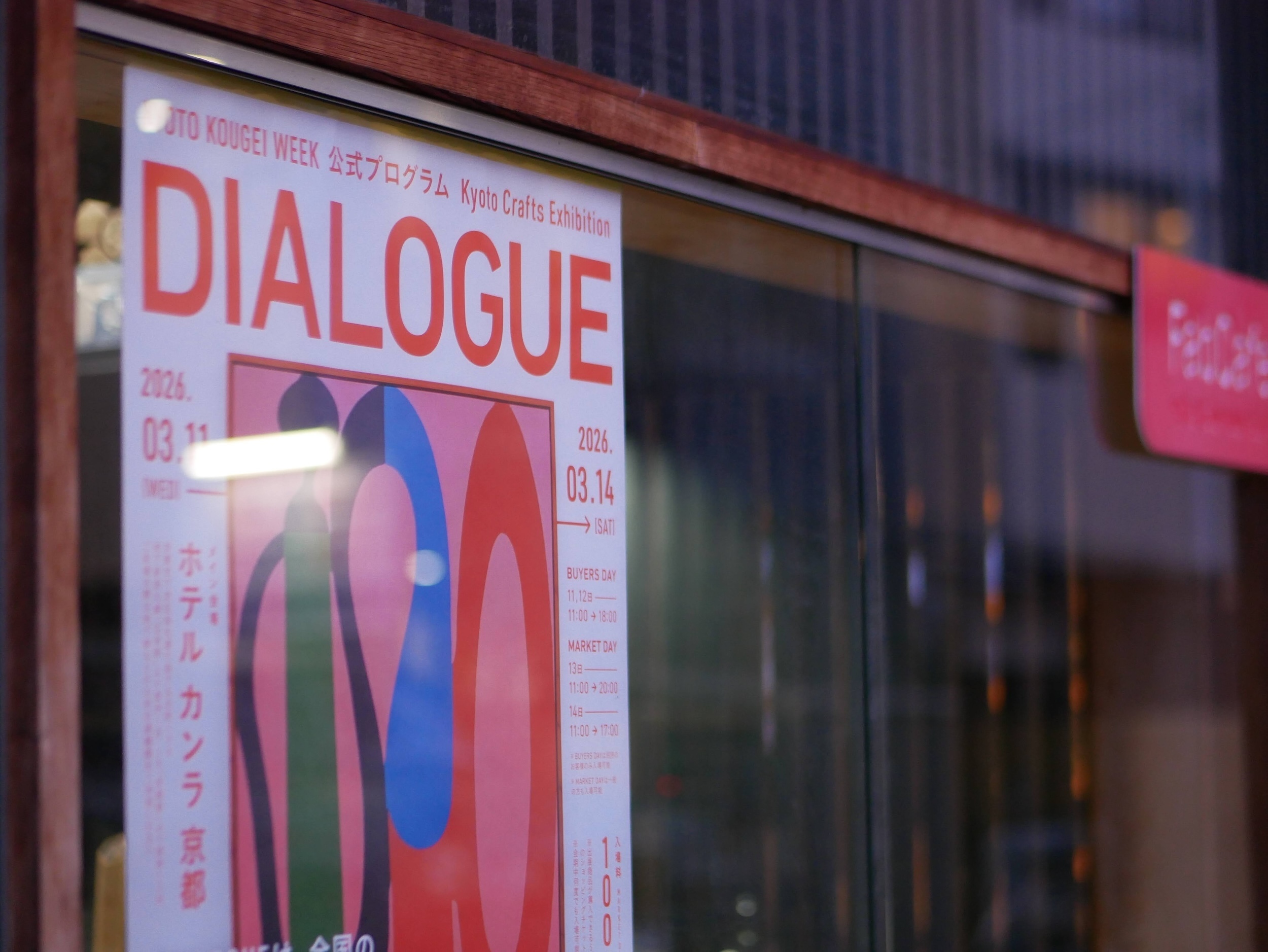
During the artist talk on March 14, the four exhibitors gathered with moderator Kosuke Kinoshita from FabCafe MTRL Kyoto to discuss the ideas behind the show. Yumi Komori (MORI WO ORU), Shinya Kobayashi (MUJUN), Takuya Tsutsumi (Tsutsumi Asakichi Urushi-ten), and Matsumura Soryo spoke about how they ended up in their respective practices, often by accident or through being pulled in by the materials themselves.
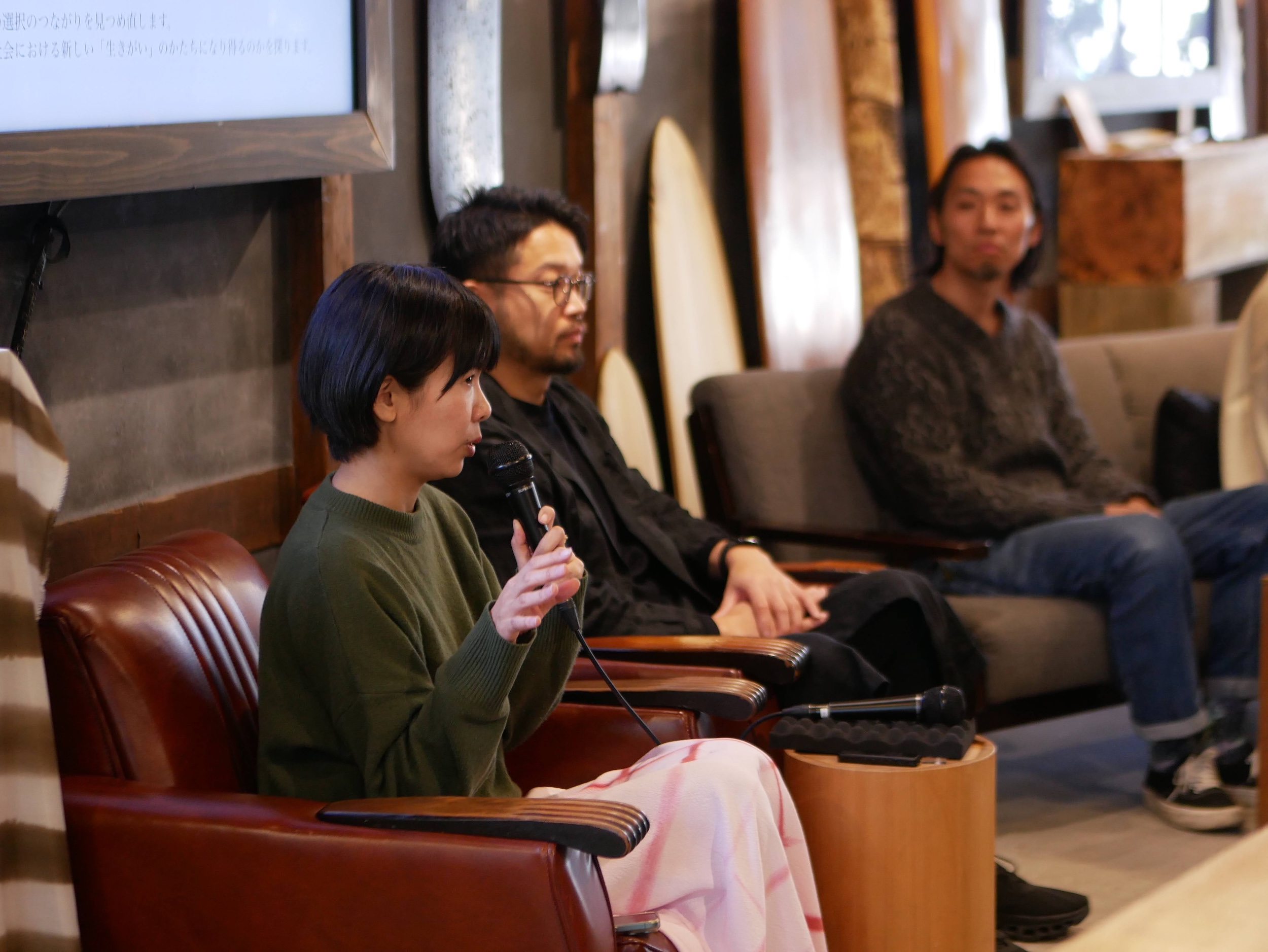
The conversation circled around questions of why they continue doing difficult work, what sustains them beyond obligation, and how craft practice connects them to longer timescales and ecological systems. Tsutsumi described how working with lacquer made him think 15 years ahead to trees not yet grown, while Matsumura Soryo realized the tea ceremony he’d practiced for 30 years was already a functioning model of material circulation. Kobayashi talked about taking visitors into the mountains he’s restoring in Shimane, and sharing meals afterward. The group had collectively written the exhibition statement, and their discussion revealed how craft offers both a critique of overconsumption and a tangible alternative, one rooted in knowing where materials come from and who touches them along the way.
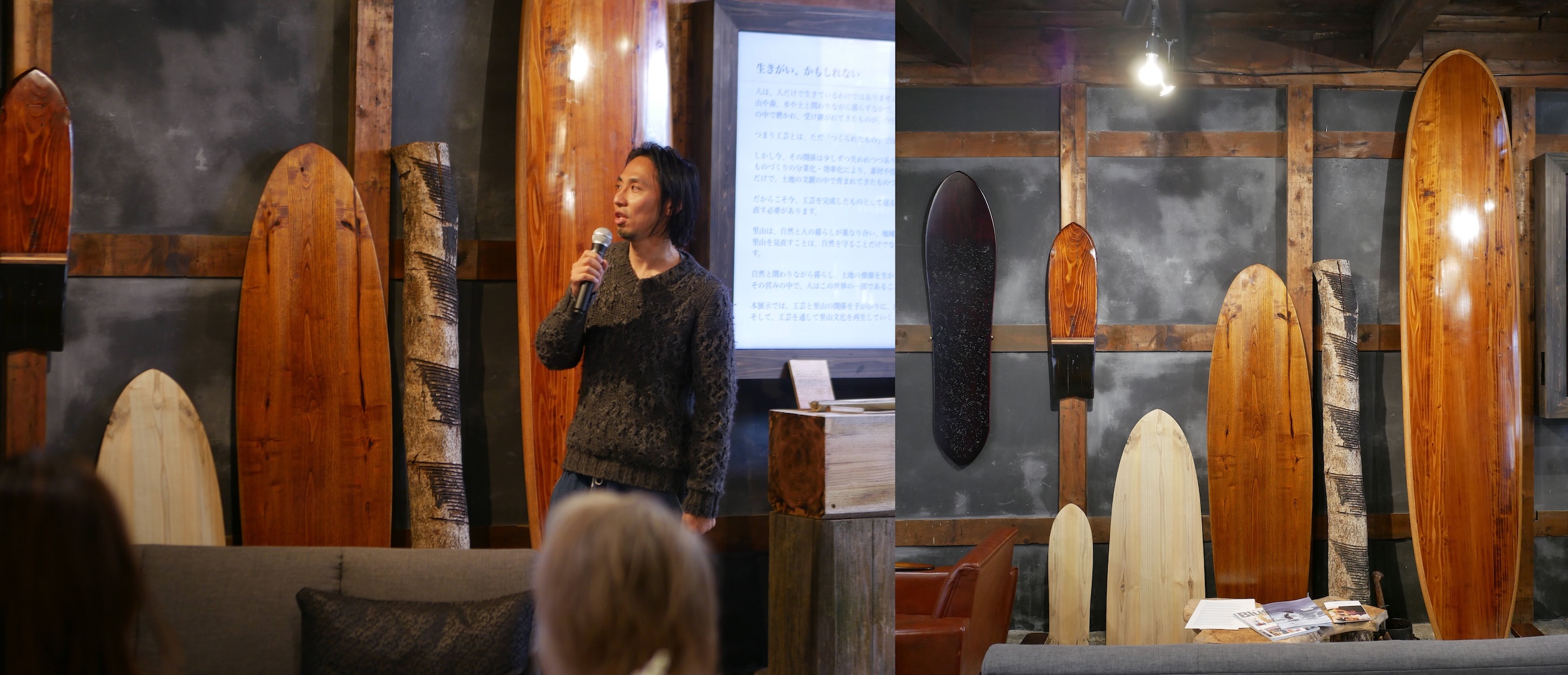
Tsutsumi Takuya on time and responsibility: “When I first came back and heard it takes 15 years to grow a lacquer tree, I thought ‘that’s so long, how does this industry even continue?’ But before I knew it, I was planting lacquer trees myself.”
Tsutsumi Takuya (continued): “I started thinking about my great-grandfather who started this business 100 years ago, and then about people 1万年 (10,000 years) ago who first used lacquer, and my time axis completely shifted. Someone like me who never thought about the future started thinking about what would make children happy 15 years, (or even) 50 years from now.”
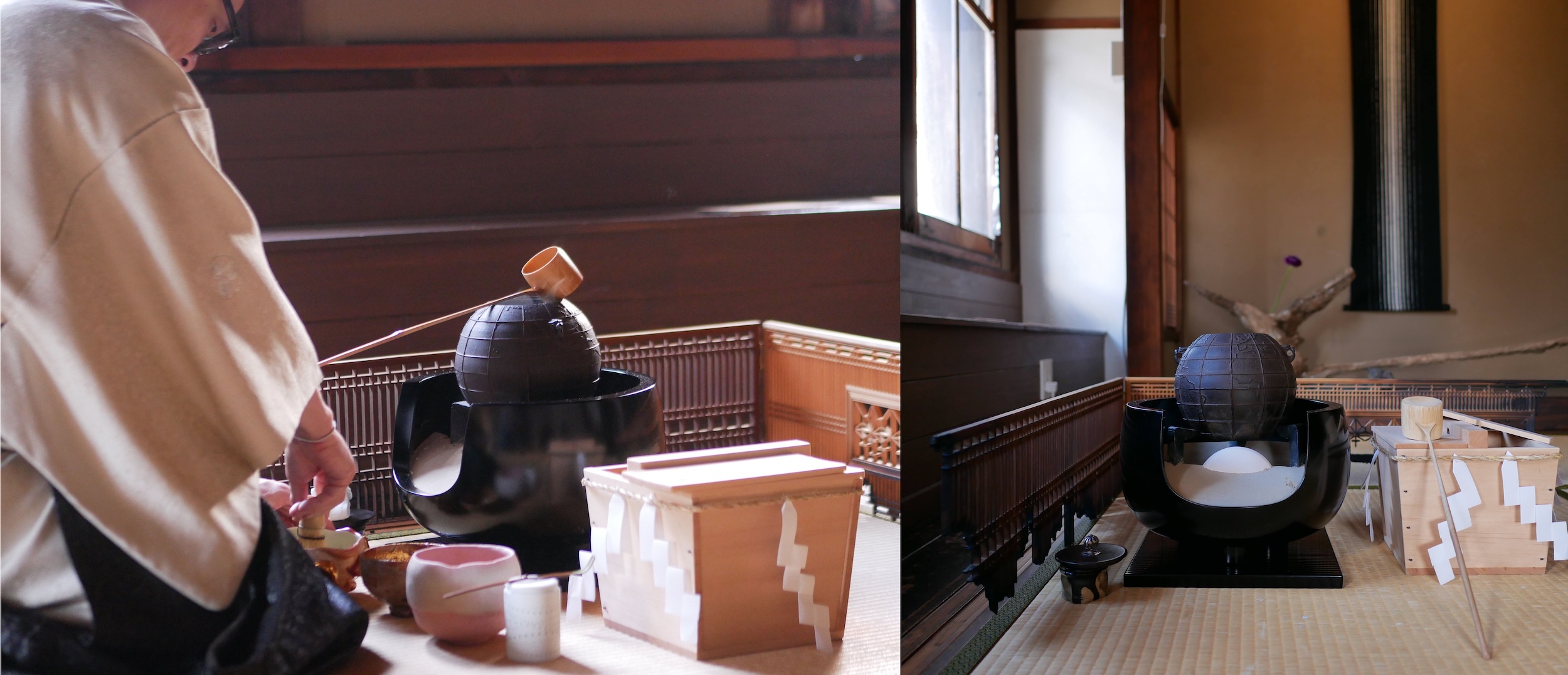
Matsumura Soryo on discovering tea’s circularity: “I’ve been doing tea for nearly 30 years, and it was only last year that I realized: you draw water, grind leaves into powder, boil water with charcoal, whisk that powder with bamboo, have someone drink the tea. The tea leaves return to the earth. Ceramics are baked soil. Lacquerware is tree sap. Tea ceremony contains a 400-year-old package of living, and it’s still circulating.
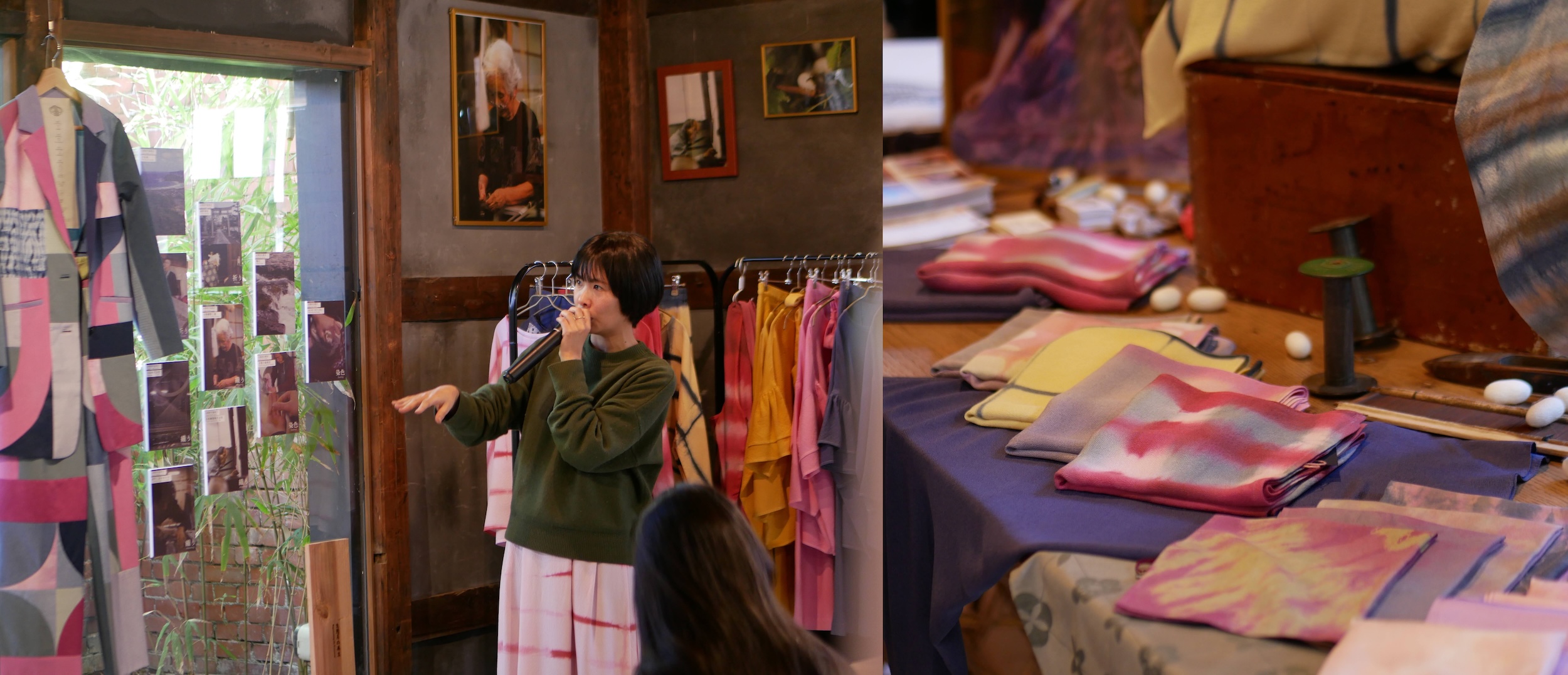
Komori Yumi on intuition: “It would honestly be easier to resist this, but the emotion is too strong. I can’t resist wanting to express this world… It’s not just my joy. I think it’s some kind of biological instinct. Making things makes the connections very clear.”
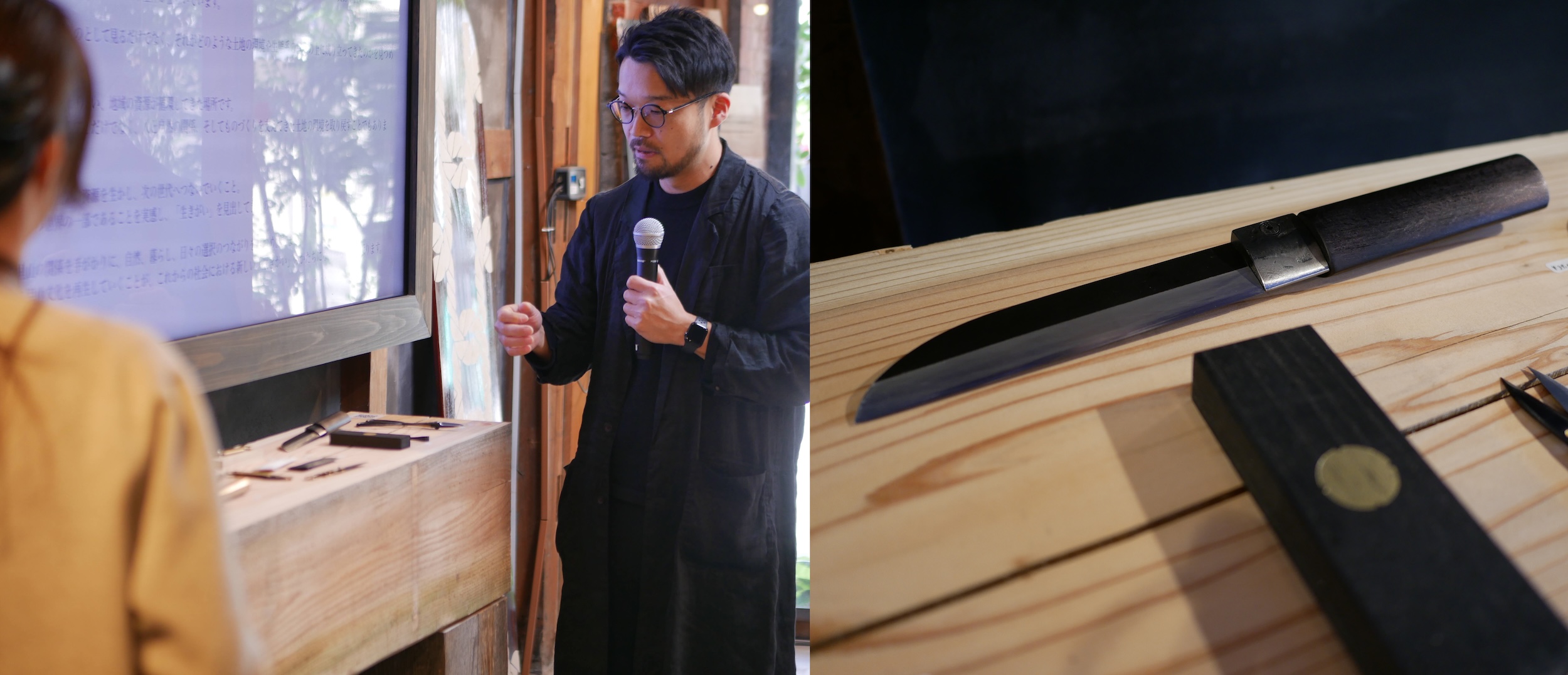
Kobayashi Shinya on shared experience: “The most fulfilling moments are when we can share something, when there’s empathy and sharing… Taking people into the mountains, explaining things, then drinking sake made from that mountain’s water and rice at night. That’s when I feel real purpose.”
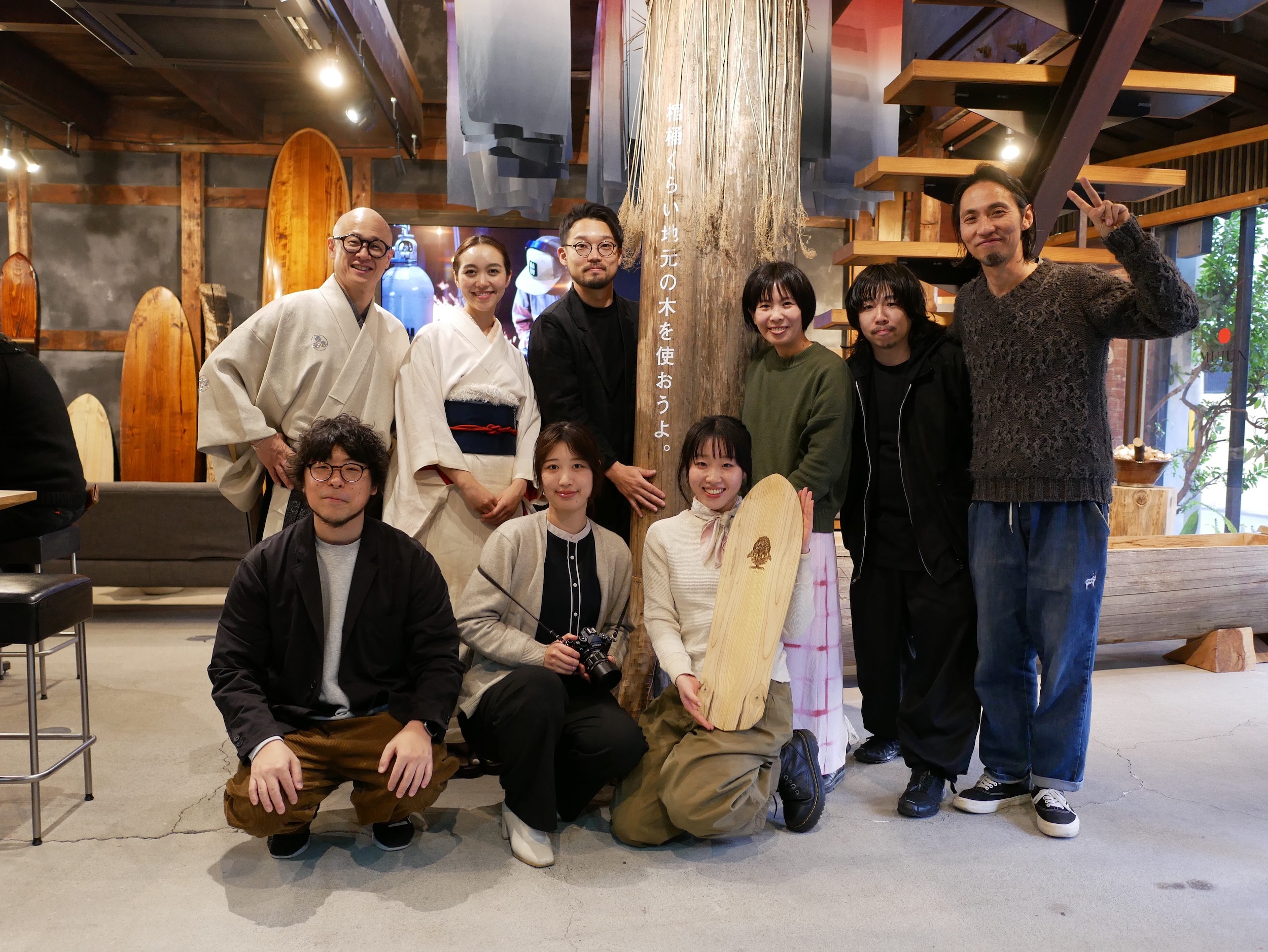
The exhibition’s title, 生きがい、かもしれない (“This, Might Be IKIGAI”), demonstrates that it is not just about finding your one true purpose. It’s about the small sustaining things: the feel of a wood plane cutting true, the color that comes out of the dye pot, appreciating teaware upon repeated use. Craft repeatedly offers opportunity for those moments, which might be enough reason to continue. Although the larger questions about sustainability and circularity matter, so does the immediate experience of making something well with materials that one has a relationship with.


-
FabCafe Global Editorial Team
This articles is edited by FabCafe Global.
Please feel free to share your thoughts and opinions on this article with us.
→ Contact usThis articles is edited by FabCafe Global.
Please feel free to share your thoughts and opinions on this article with us.
→ Contact us -


See Branch List
See Keyword List
- #Craft
- #crQlr
- #HK Event Report
- #COUNTER_POINT
- #Prototyping
- #Design thinking workshop
- #SDG 14 Life under water
- #Miro
- #Creator Collaboration
- #Bangkok Design Week 2020
- #FabCafe Bangkok
- #Fab Meetup Hong Kong
- #FAB Ideation
- #Future City
- #COVID-19
- #Event Report
- #Sustainable
- #Business
- #Social Welfare
- #Fab Meetup
- #Exhibition
- #Art
- #SDGs
- #Haptic Design
- #Material
- #Drawing
- #Wood
- #Hackathon
- #AI
- #Agriculture
- #YouFab
- #Workshop
- #Meetup
- #AWRD
- #Bio
- #Global Goals Jam
- #XR (VR/AR/MR)
- #Talk Event
- #Ideathon
- #Embroidery
- #Material Meetup
- #Innovation
- #Architecture
- #Interview
- #Education
- #3D
- #Business Projects
- #Community