


Column
August 13, 2026
FabCafe Global Editorial Team
-
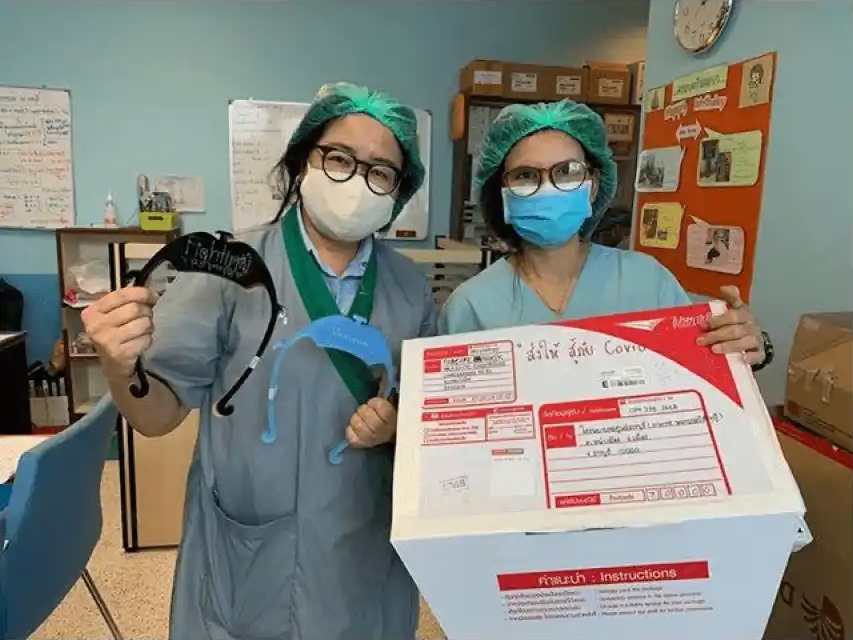 FabCafe Bangkok’s donation of DIY PPE to local healthcare professionals.
 -
During the COVID-19 lockdowns, makers globally responded to the scarcity of medical supplies by turning to open-source designs. In this context of decentralized, grassroots production, FabCafe Bangkok contributed by fabricating PPE to meet local needs in 2020. Similarly, FabCafe Taipei members later gained experience with open-source medical tools through first-aid training with the Glia tourniquet. These localized efforts signaled a broader, global shift toward community-driven healthware. Driven by these practical experiences, BioClub Tokyo recently joined an international study led by the Open Source Hardware Association (OSHWA) to better understand the rigorous assembly and provenance required for the Glia design.
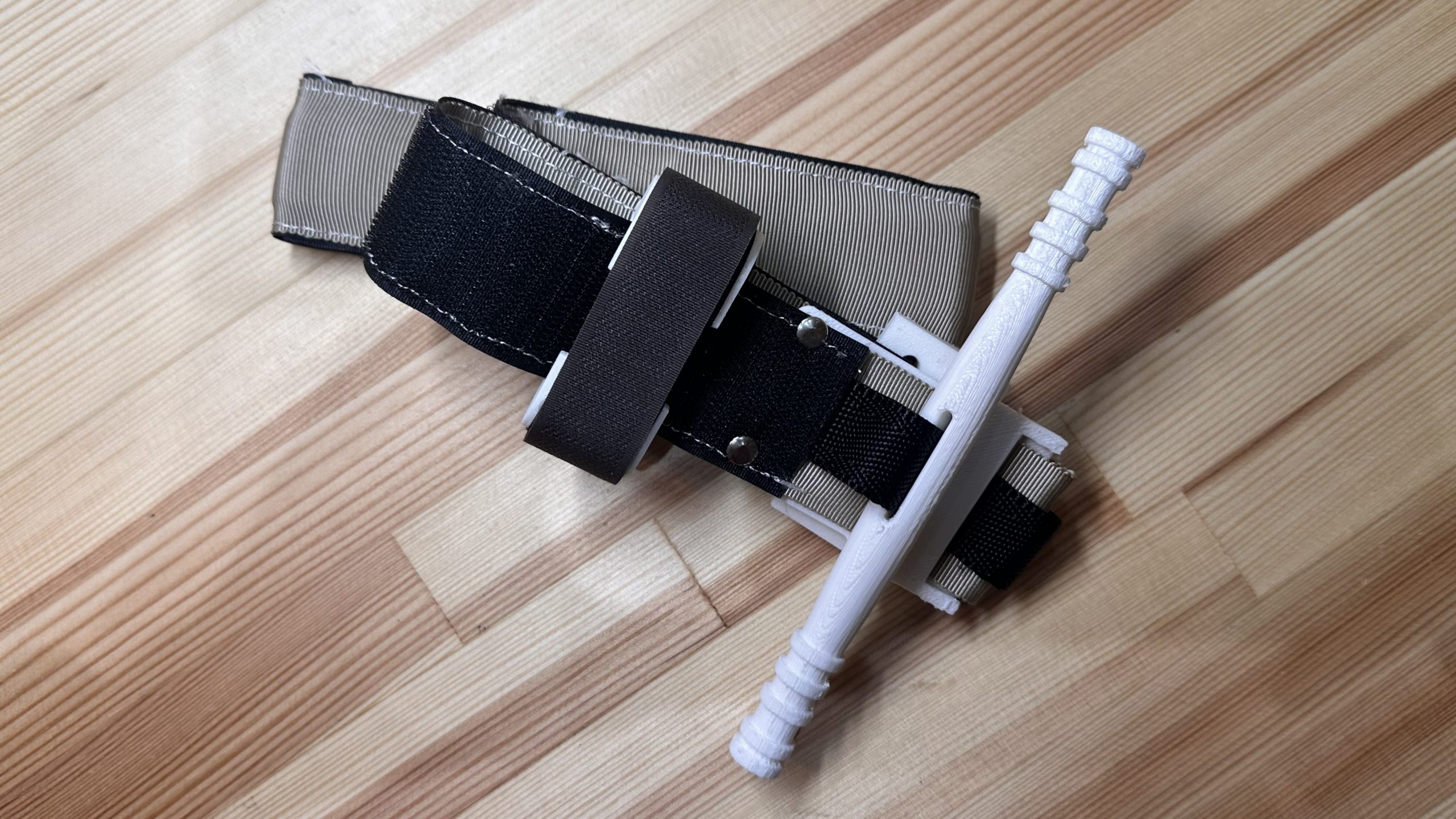
Closeup of BioClub’s build of the Glia Tourniquet by Glia Equal Care
In 2017 Tarek Loubani, a trauma physician and founder of Glia Equal Care was tasked with designing a low cost tourniquet for the Gaza Ministry of Health as the task of sourcing medical supplies for point-of-injury care, proved that commercial models were costly and difficult to procure. In the years following its inception, the tourniquet designed by Loubani has seen widespread production, finding critical application within trauma zones in Gaza and later supporting emergency response efforts in Ukraine and Myanmar. The design has demonstrated a performance that rivals top-tier commercial alternatives, a feat made achievable because the comprehensive design files were released under open licenses. This transparency allows a global community to fabricate, analyze, and refine the tool. As the worlds of open-source hardware and medical instrumentation increasingly overlap, the Open Source Hardware Association (OSHWA) identified a vital requirement for a specialized validation framework tailored to instruments like the Glia tourniquet.
-
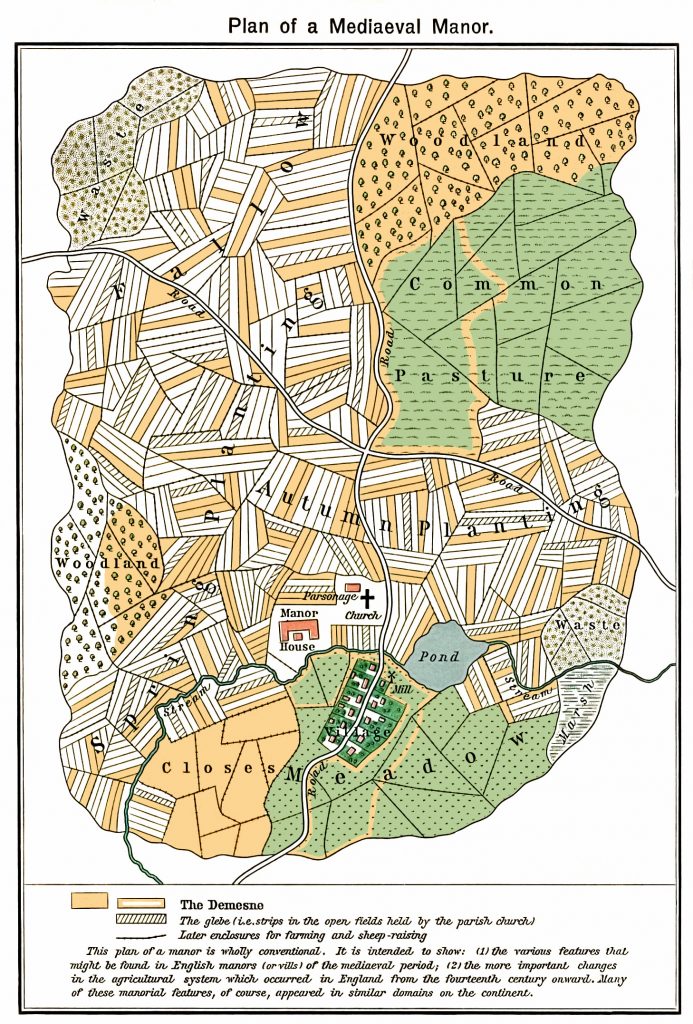
Plan of a Mediaeval Manor, from William R. Shepherd, Historical Atlas (1923), p. 104. Public domain, via Wikimedia Commons. -
It is useful to reflect on how these concepts stack upon one another, rooted in the ancient principle of the commons. Historically, this represented a collective resource such as grazing pastures or timber forests, managed and utilized by a community rather than a single entity.
The open-source movement reimagines this ancient philosophy for the digital age, treating foundational code as a communal asset that remains accessible for anyone to execute, refine, and distribute. By relocating the “recipe” from knowledge silos into the global commons, the community itself acts as the primary steward, detecting errors and driving collective innovation.
Open hardware extends this logic into the physical domain, replacing software code with 3D models, circuit schematics, and comprehensive bills of materials. This shift empowers anyone with the right tools to manufacture, personalize, and iterate upon physical objects. The Glia tourniquet project is a prime example of this hardware commons, providing its complete technical blueprints for public replication and assembly.
Open-source healthware represents a novel evolution in this trajectory, and it is precisely what distinguishes this project. When an open design moves beyond simple sensors to become a critical medical device, the stakes escalate significantly. While trust in software grows as more users audit and run the code, a physical instrument intended to control life-threatening situations must be reliable before it ever reaches an emergency scenario. Open-source healthware provides the framework to address this challenge, operating differently from traditional models. Rather than replacing the safety certification role of regulatory bodies, it requires creators to document every detail a subsequent builder would need to understand, replicate, and evaluate the tool, spanning intended use and risk assessments to testing. In this approach, trust is cultivated through exhaustive, repeatable documentation rather than a static stamp of approval, establishing a truly modern standard for shared medical knowledge.
To further explore the nuances of this replication process, a member from OSHWA invited BioClub Tokyo to join an international study focused on understanding regional perspectives regarding the fabrication, sourcing, and assembly of the Glia tourniquet.
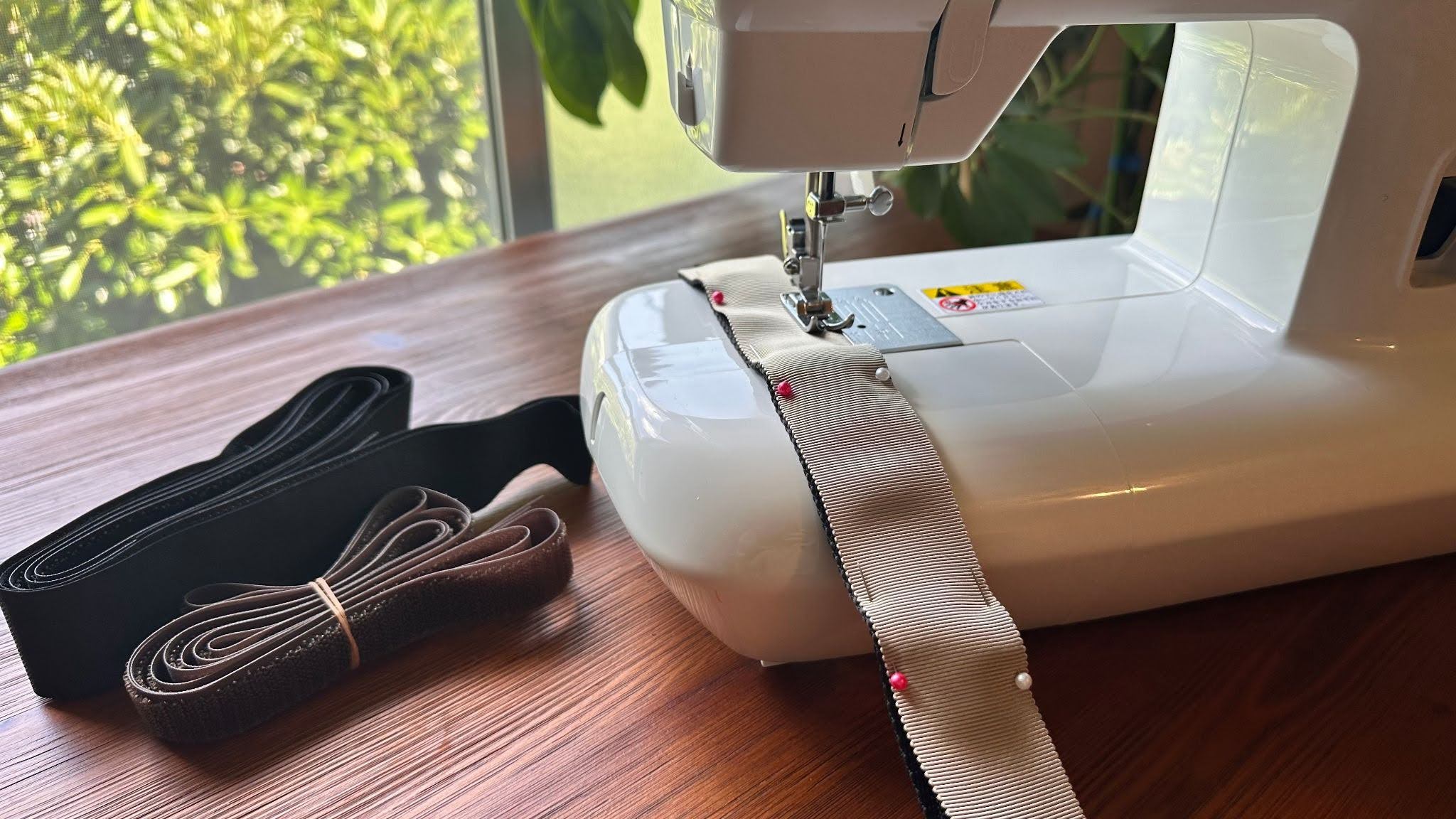
Acquiring the necessary components for the Glia project within Tokyo’s urban landscape proved remarkably efficient. In less than an hour, the entirety of the non-printed bill of materials was procured from Asakusabashi, a district steeped in traditional leathercraft. While digital marketplaces offered a convenient alternative, the true value of navigating these physical storefronts lay in the expert guidance of the shopkeepers, who provided a wide range of material grades and in-person expertise.
While the ethos of open healthware suggests that technical blueprints are globally mobile, the actualization of these designs remains deeply tethered to regional resource networks. BioClub’s success in locating every specified component highlights Tokyo’s robust local ecosystem, yet other international collaborators encountered significant hurdles, with Gaza remaining one of the most inaccessible places where Glia is currently manufacturing tourniquets locally despite these challenges.
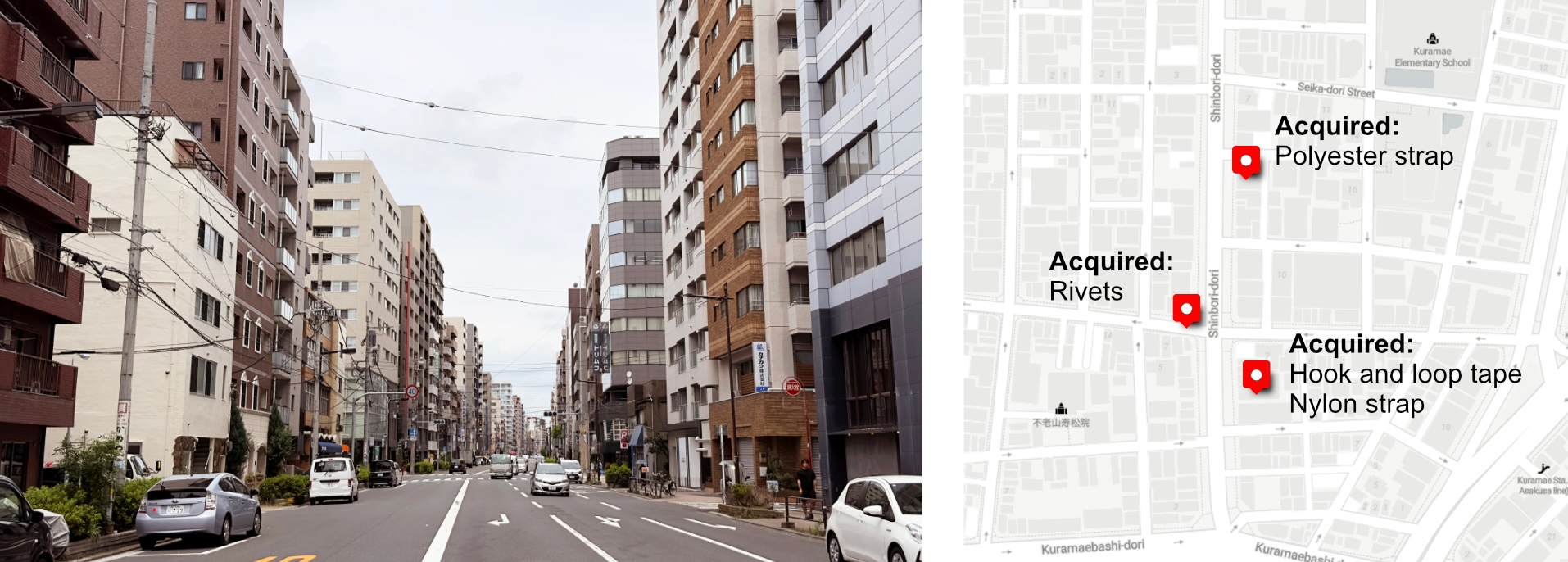
Asakusabashi (Tokyo, Japan). All four materials were sourced on foot, from three shops within a few blocks of each other.
While the presence of 3D-printed elements might imply a universal ease of manufacture, the Glia project remains fundamentally anchored in its non-printed components. Glia maintains a rigorous stance on the boundaries of localized improvisation. Jen Wilson emphasizes that the integrity of the specialized design takes precedence over any manufacturing convenience.
-
During the fabrication phase, BioClub Tokyo managed to get in contact with Jen Wilson, Glia’s Director of Manufacturing and Design. Wilson reiterated that while 3D-printed components provide the structure, the instrument’s mechanical integrity is primarily anchored in its non-printed elements. She clarified that the internal webbing must possess zero-stretch properties, as it must be capable of withstanding the extreme tensile forces. When navigating the complexities of regional supply chains, Glia has established protocols for material substitution to ensure safety. A notable instance of this localized adaptation occurred in Poland, where the project transitioned from the specified dual-component hook-and-loop system to Omni-tape, a consolidated alternative that was more readily accessible within their local market.
Seeking to understand the evolving landscape of healthware certification, we consulted with Joey Castillo, an Open Healthware Engineer at OSHWA, to explore the organization’s vision for this framework.
-
“It doesn’t affect the use of the device, but it does change the way it’s manufactured.”
Jen Wilson, on adapting the tourniquet’s hook-and-loop component to local supply chains
“OSHWA confirms the source is there. It is not a quality body. We don’t grade the documentation or validate anyone’s trials,” the organization explains.
Joey Castillo, Open Healthware Engineer at Open Source Hardware Association
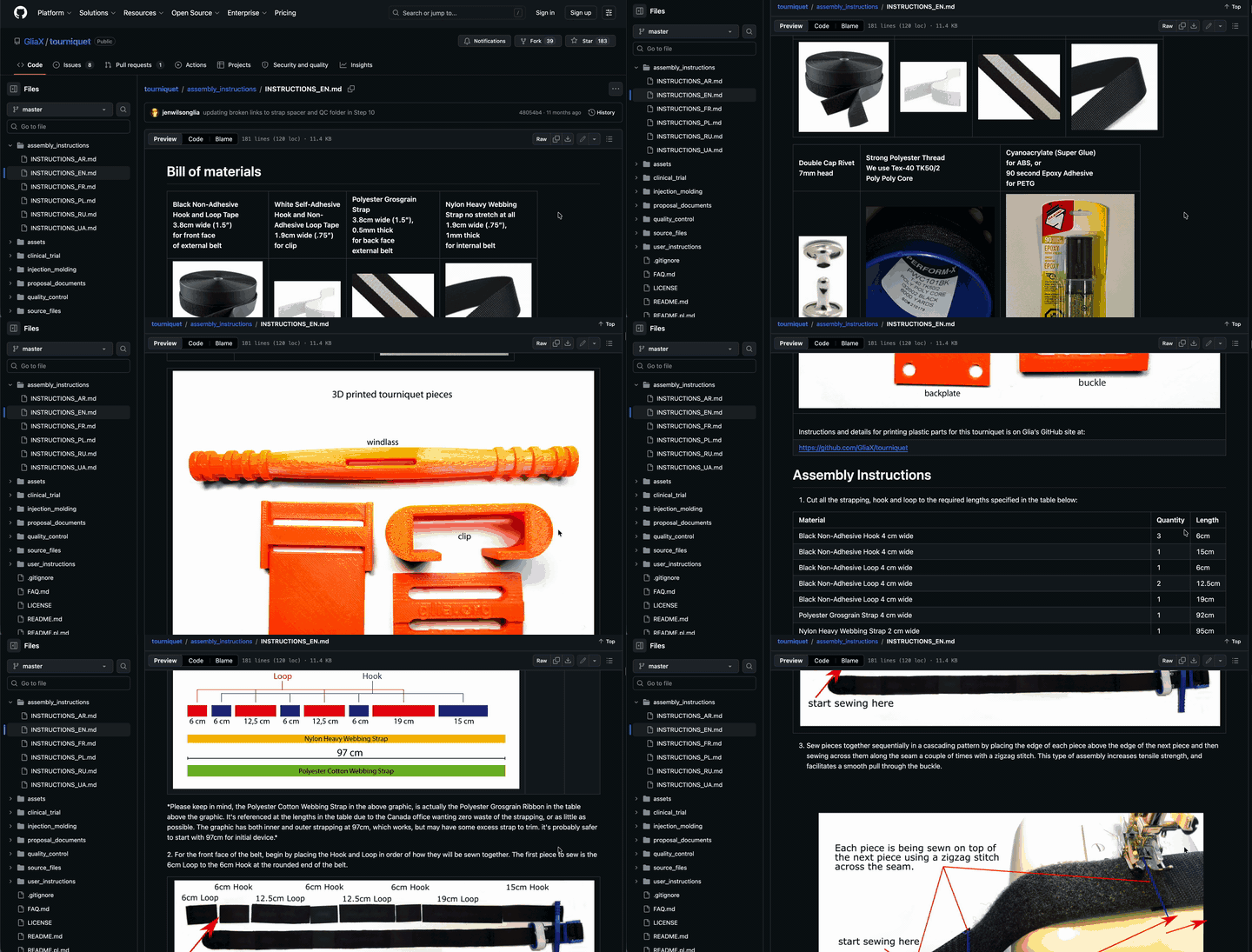
Glia Tourniquet assembly instructions and bill of materials on GitHub
Joey mentioned that the proposed certification requires developers to submit multifaceted documentation that accounts for diverse fabrication scenarios. A typical submission entails a comprehensive list of assets, including technical design files, a detailed bill of materials, statements of intended use, validation data, and risk assessments. In this framework, reliability is established through an iterative process of documented validation within a communal “circle of trust.” So how many submissions is enough? The specific quantity of submissions appears secondary. To demonstrate the framework’s viability, OSHWA Executive Director Alicia Seidle has established an initial objective of fifty certified designs for the Glia tourniquet within a two-year timeframe.
-
For those intending to replicate this build, several critical observations emerged from this exercise:
- Rigid elements must be fabricated using 100% infill in ABS or PETG, ensuring no dimensional scaling or surface smoothing of the windlass is applied. Furthermore, strap selection must prioritize tensile strength and zero-stretch properties over aesthetic qualities, as any elasticity in the webbing directly compromises the instrument’s effectiveness.
- The assembly requires heavy-duty nylon thread rather than standard domestic varieties. For comprehensive guidance, Glia provides a specialized Design Intent document within the project’s GitHub repository.
- This tool is designed for point-of-injury care by trained personnel and is not intended to supersede certified medical instrumentation.
-
Regarding the complexities of regional adaptation and material substitution, OSHWA maintains a definitive position: the framework does not mandate a static bill of materials or curate a list of equivalents. Instead, it places the responsibility on the creator to document critical, non-negotiable components, such as capacitors with specific values or webbing possessing a minimum tensile threshold that are essential to the device’s integrity.
Documentation of this rigor benefits from collaborative review. BioClub Tokyo supports work in open-source hardware and healthware, and welcomes new contributions and ideas from the community. Sessions are held Tuesdays from 7 to 9pm on the second floor of FabCafe Tokyo.
We extend our gratitude to Joey Castillo, Open Healthware Engineer at the Open Source Hardware Association, and Jen Wilson, Director of Manufacturing and Design at Glia Equal Care, for sharing their expertise and insights.


-
FabCafe Global Editorial Team
This articles is edited by FabCafe Global.
Please feel free to share your thoughts and opinions on this article with us.
→ Contact usThis articles is edited by FabCafe Global.
Please feel free to share your thoughts and opinions on this article with us.
→ Contact us -





See Branch List
See Keyword List
- #Craft
- #crQlr
- #HK Event Report
- #COUNTER_POINT
- #Prototyping
- #Design thinking workshop
- #SDG 14 Life under water
- #Miro
- #Creator Collaboration
- #Bangkok Design Week 2020
- #FabCafe Bangkok
- #Fab Meetup Hong Kong
- #FAB Ideation
- #Future City
- #COVID-19
- #Event Report
- #Sustainable
- #Business
- #Social Welfare
- #Fab Meetup
- #Exhibition
- #Art
- #SDGs
- #Haptic Design
- #Material
- #Drawing
- #Wood
- #Hackathon
- #AI
- #Agriculture
- #YouFab
- #Workshop
- #Meetup
- #AWRD
- #Bio
- #Global Goals Jam
- #XR (VR/AR/MR)
- #Talk Event
- #Ideathon
- #Embroidery
- #Material Meetup
- #Innovation
- #Architecture
- #Interview
- #Education
- #3D
- #Business Projects
- #Community