


Event report
October 7, 2026
FabCafe Global Editorial Team
What do you do when something breaks? Call the manufacturer or a professional repair service? Or is it just faster to buy a new one? Repair, in the broad sense of care, fixing and restoration, holds the key to understanding how things get made, how technology works, and how society itself is structured.
FabCafe Tokyo is launching Repair-Able, a community that reweaves the culture of caring for and mending objects, powered by a hacker’s spirit and plain curiosity. As part of its activities, Repair-Able will hold Repair Cafes on a regular basis.
The Repair Cafe movement began in the Netherlands. People bring in anything that’s broken, a toaster, a jacket, a bicycle, and repair it alongside local repairers, the people who do the fixing. Because repair draws in everyone from children to retirees, people have also come to see Repair Cafe as a way to reconnect local communities.
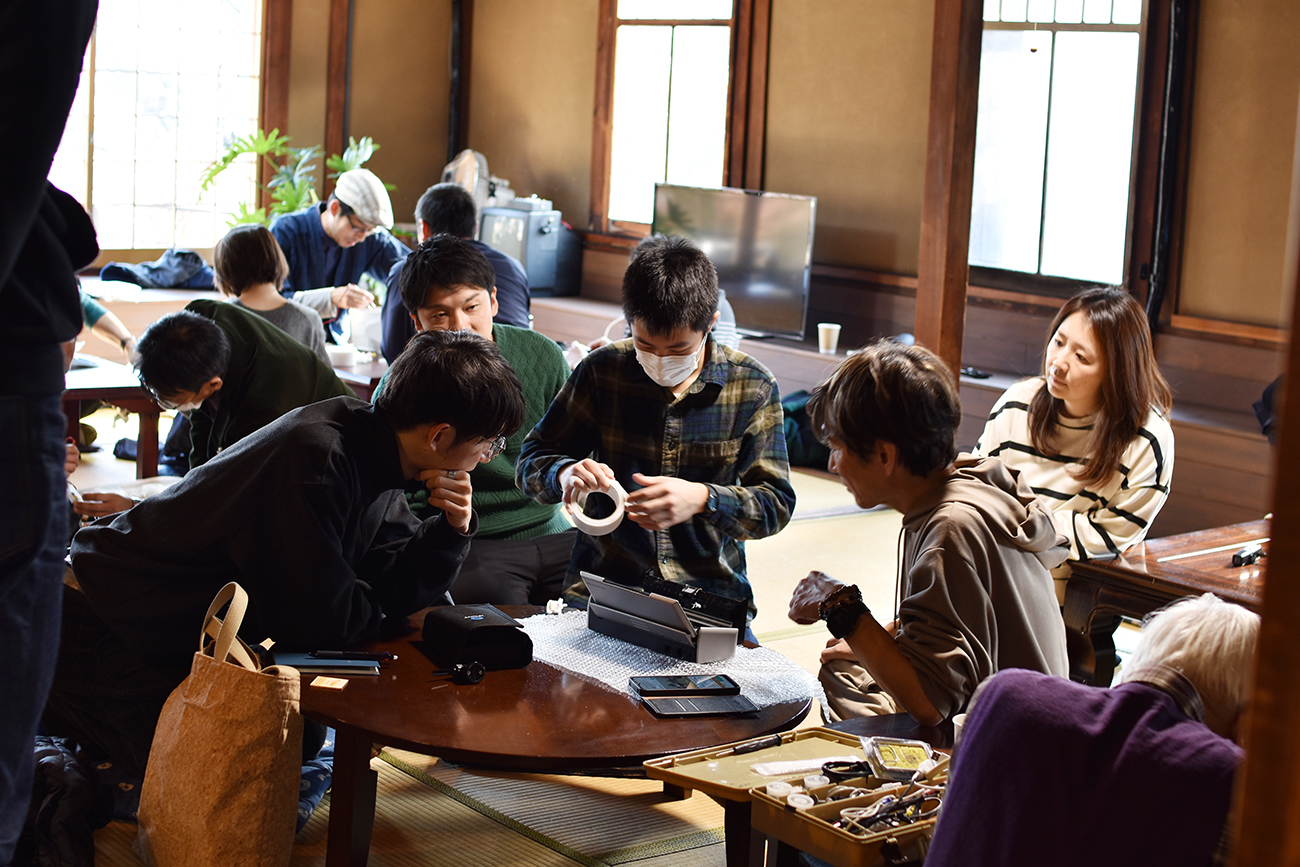
A Repair Cafe held at FabCafe Kyoto
What does it actually mean to run a Repair Cafe? And what kind of space could FabCafe Tokyo build? To dig into those questions, FabCafe Tokyo held a workshop “Let’s Build a Repair Cafe, Designing a Space Where Repair Is Fun” on July 23, 2026. Hiraku Yamami of Hinodeya Eco-Life Institute, who has been running Repair Cafes in Kyoto, joined as a guest to help set one up at FabCafe Tokyo.
Think of a Repair Cafe as just a place to fix things, and it can sound like an exercise in damage control, bringing something broken back to zero. The real thing is something else. It’s a creative space, and what happened there was a rich exchange between people.
This report covers what happened at the workshop and the key lessons on building this kind of space that came out of working alongside Yamami.
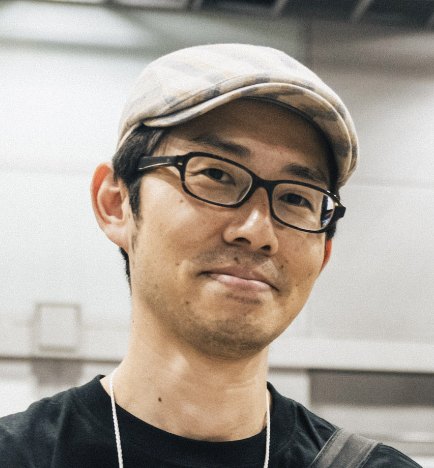 |
Hiraku Yamami Director, Hinodeya Eco-Life Institute Co., Ltd.A maker with a passion for energy efficiency and electronics, Yamami practices and researches ways to use natural energy in the middle of the city: off-grid power generation, solar water heaters, and rainwater harvesting. He holds certifications as an energy manager, second-class electrician, and general home appliance engineer, and he runs “Tech Time,” a monthly gathering to build, fix, and think things through by hand.Website: Hiraku’s Maker ShareProfile photo credit: O’Reilly Japan, Inc. Photo: Tada (Yukai) |
The workshop began the same way a Repair Cafe does. Participants jumped straight into trying it out together.
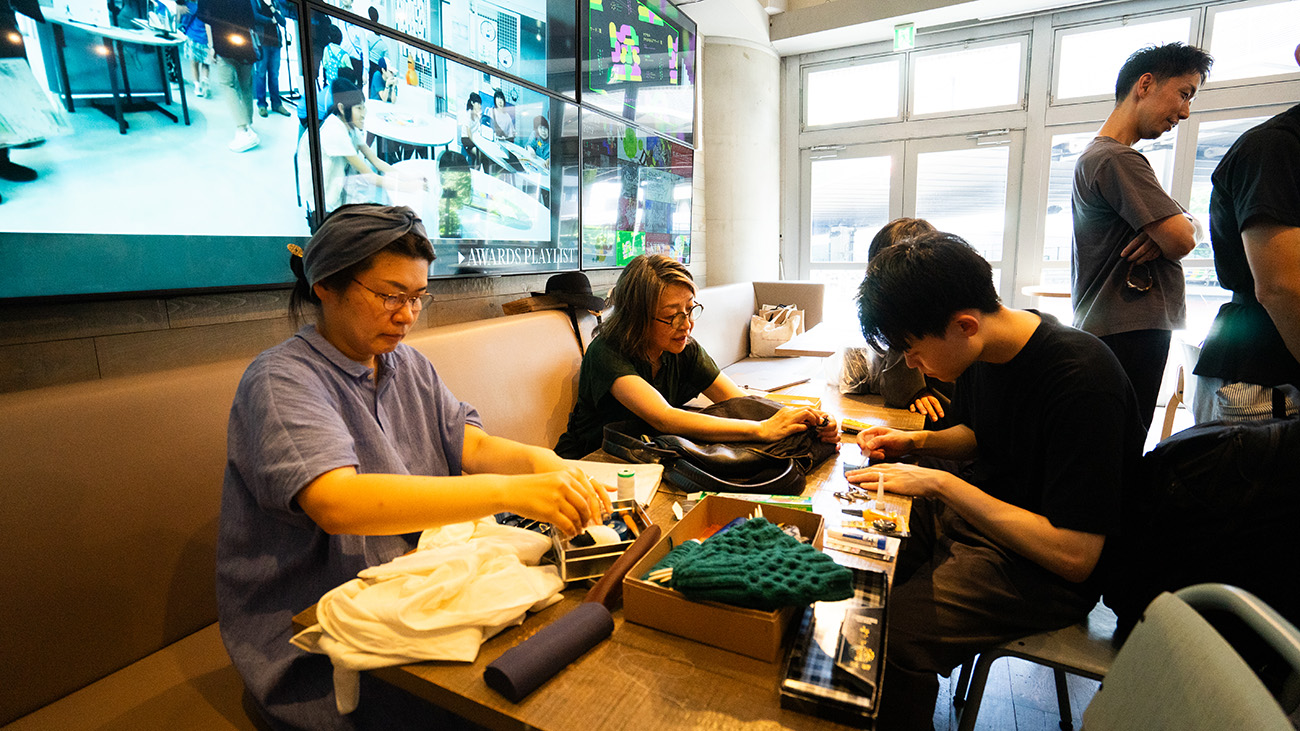
Each participant introduced themselves and said a few words about what they could repair, or what they wanted fixed. Then Yamami said, “Alright, let’s get started,” and the room sprang into motion. Tables formed loosely by what needed fixing, appliances and toys at one, sewing at another, shoes and leather goods at a third, and people got to work while they talked.
Note: We refer to participants by letter in the following stories to preserve their privacy.
An old wind-up timer that M brought in caught the repairers’ attention. They took it apart with screwdrivers, worked out how it was built to run, and talked through how to fix it as they went.
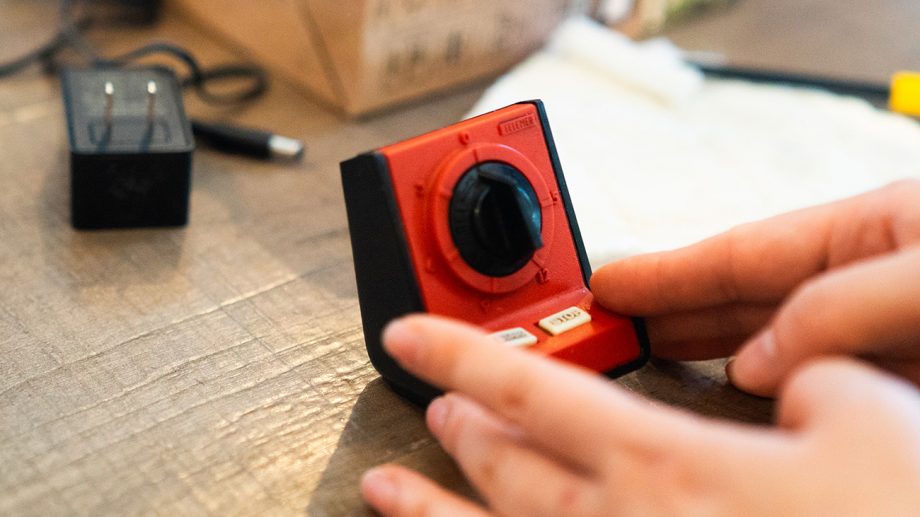
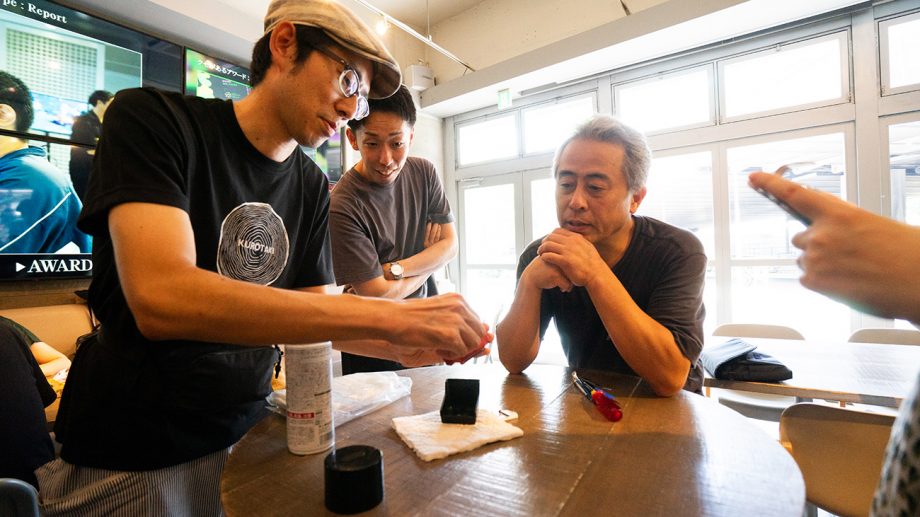
M had inherited the timer from their father and used it for boiling eggs and cooking ramen. But turning the dial wouldn’t start a countdown. Puzzled, the repairers dug in. It wasn’t a countdown timer at all, they found. It was a count-up timer from an era when a phone call cost ten yen every three minutes, built to track how long you’d been on the line.
After the group’s combined effort, the timer came back to life. “I never thought it would actually work again,” M said, amazed. “Now that I think about it, this used to sit right next to our old rotary phone. Fixing it brought back a memory I’d almost forgotten.”
S arrived with a backpack given by a close friend, its handle completely torn. F, who is skilled with a needle and thread, guided S step by step through the mend. I, who was sitting at the same table, happened to have a spare part on hand and offered it up. Within two hours, the handle was back in working order.
At the next spot, R brought in wireless earbuds that would no longer charge. As luck would have it, T carried the exact same model, so the two compared devices to pinpoint the fault. They could not fix the set completely, but they managed to bring one earbud back to life.
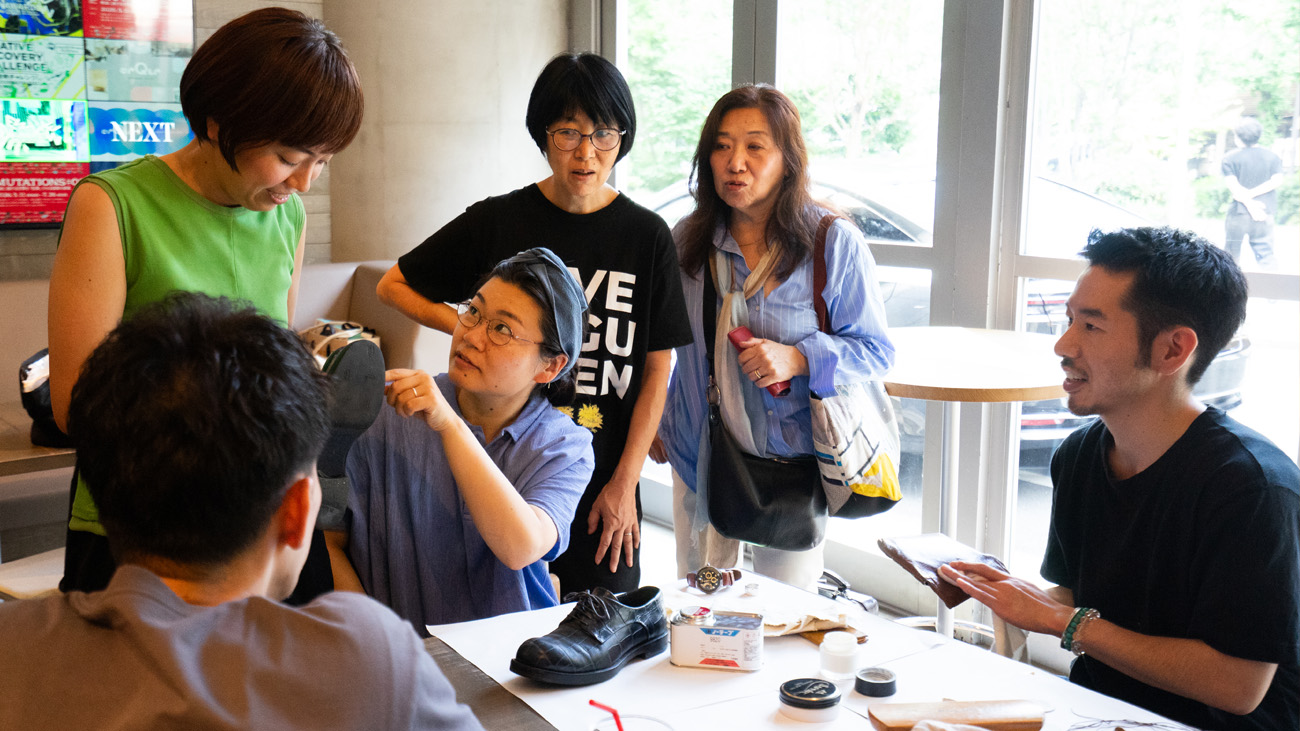
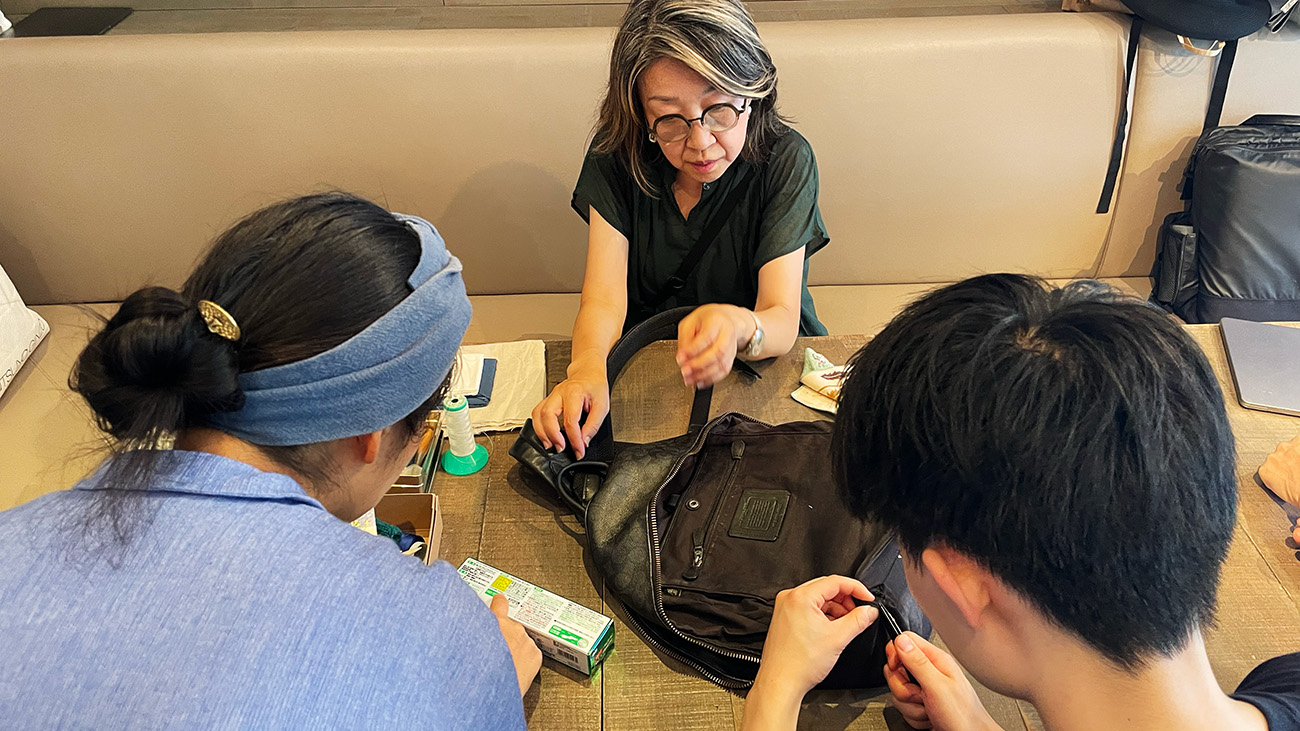
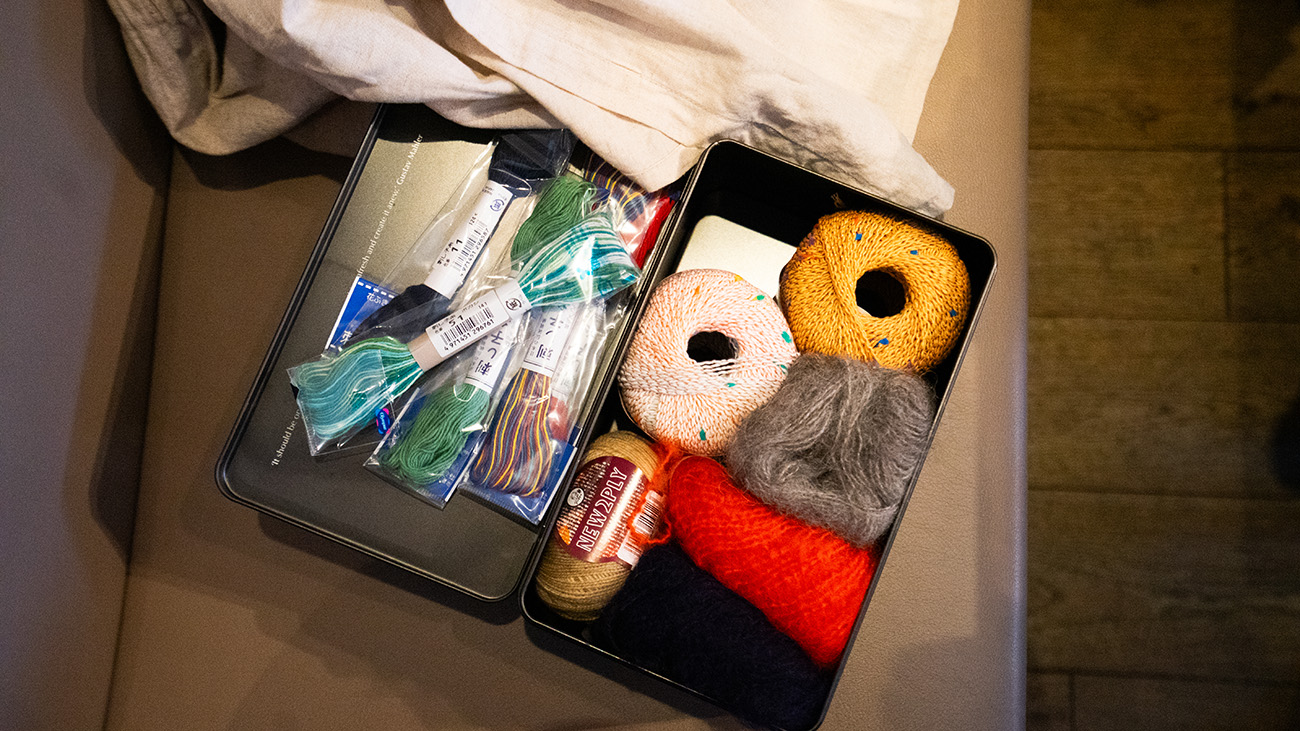
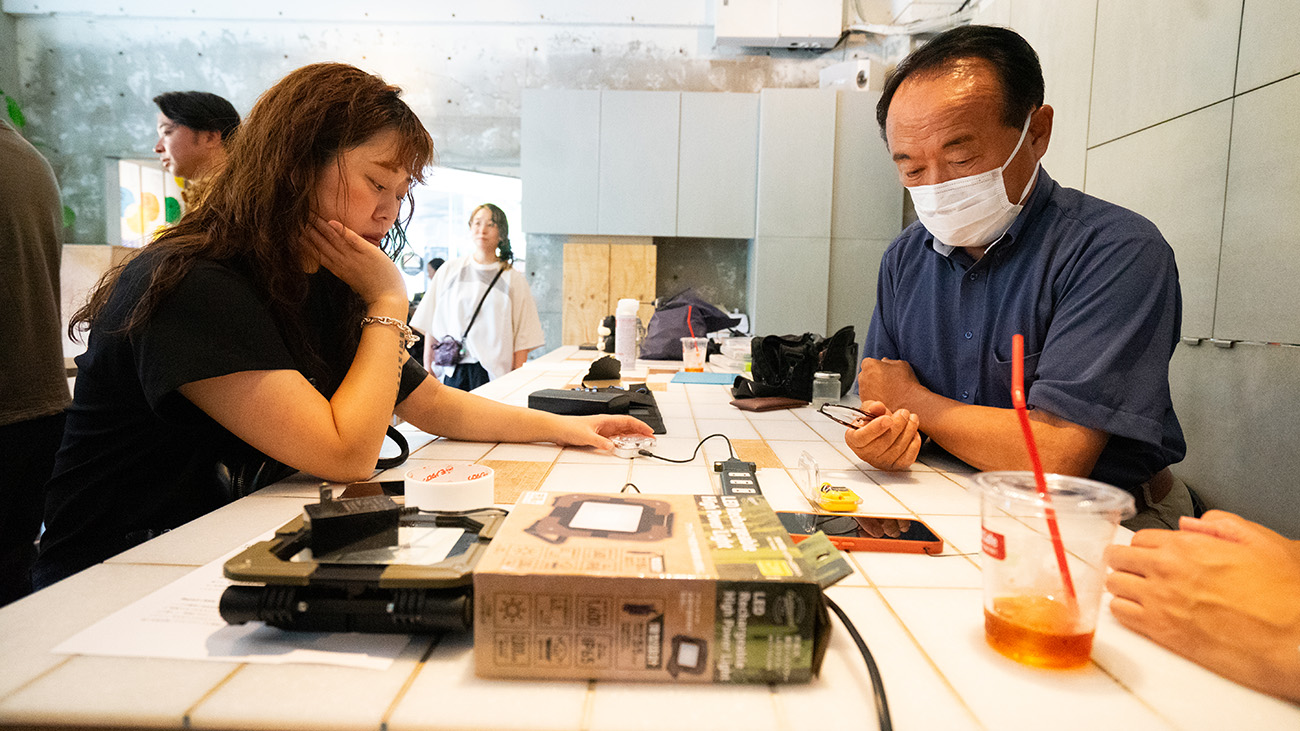
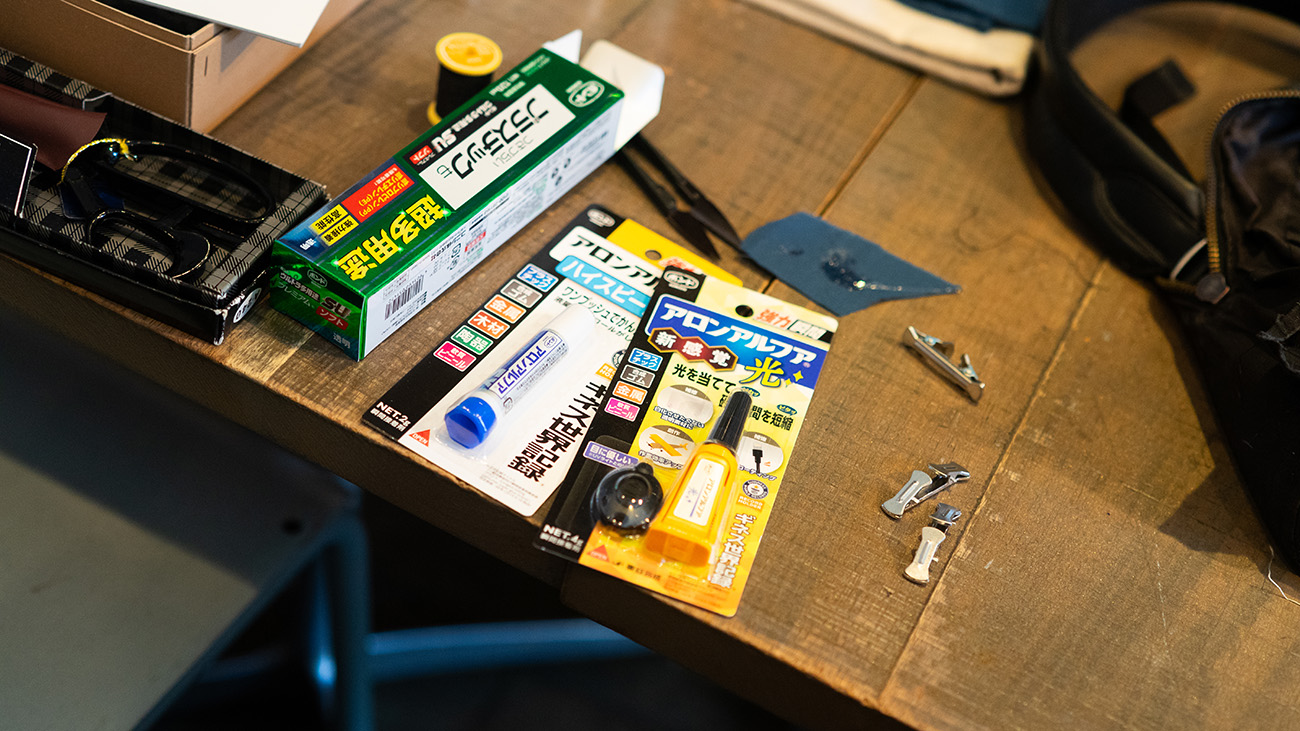
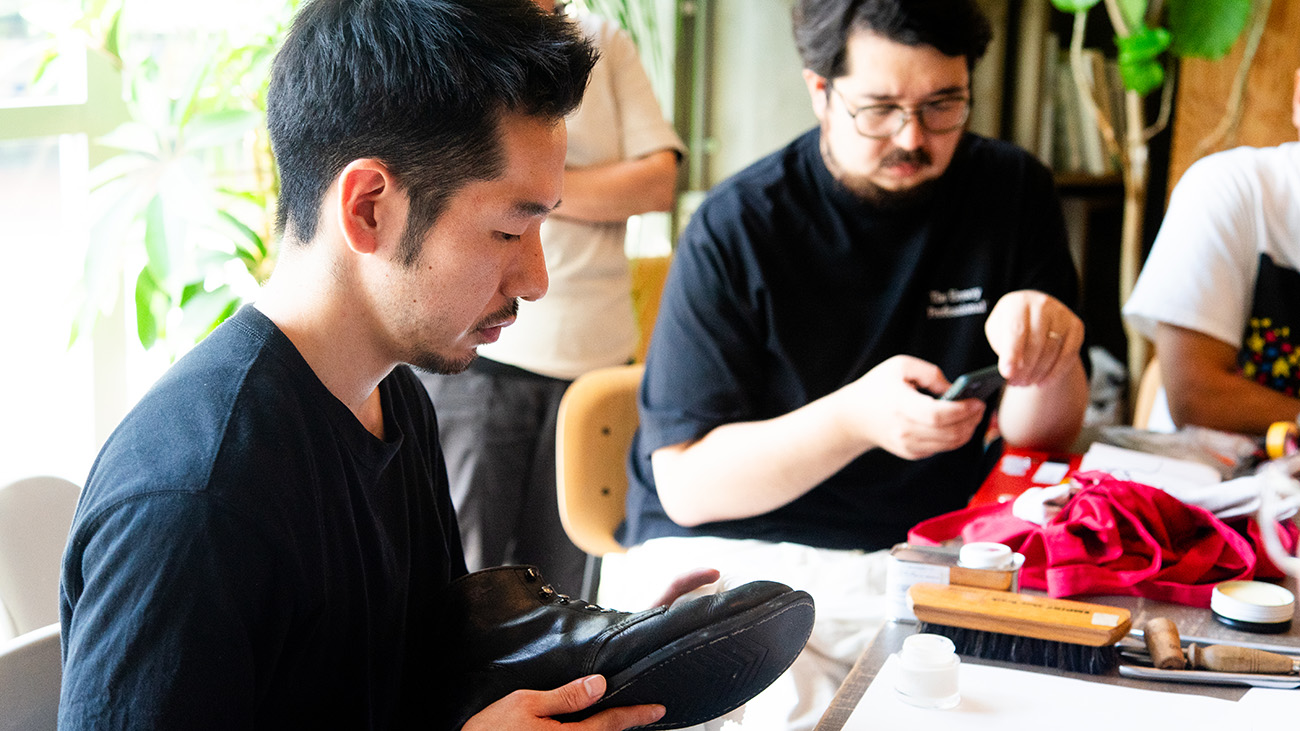
Across the room, one person learned how to restore worn leather shoes, another mended a threadbare shirt, and a small group gathered around a broken electric kettle, while others simply looked on with curiosity. Table by table, fixing things became an easy invitation to sit back and strike up a conversation.
“There is only so much you can capture just by telling people what a Repair Cafe is,” Yamami explained. “That is why we kicked off today by jumping straight into repairs before saying anything.”
Anyone can take part, regardless of background, age, or gender. You do not even need to bring a broken item; simply enjoying a coffee and watching the process is more than enough. What makes strangers connect so effortlessly over a pair of pliers and a needle? It’s a question we’re still turning over.
Following the hands-on session, Yamami shared the story of Tech Time, a Kyoto-based initiative he has run for nine years. The program offers everyday people a welcoming space to code, craft, and fix objects with their own hands.
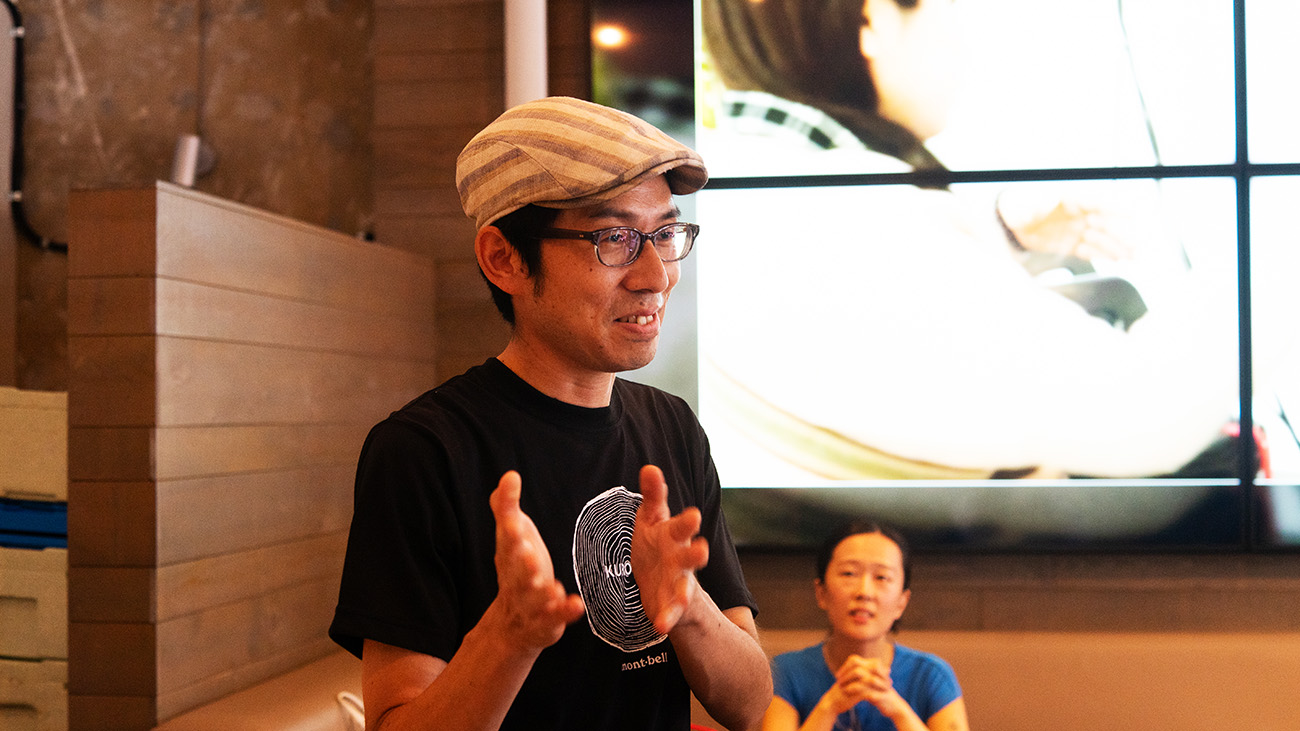
Two core beliefs guide his work. “I want to oversee as much of an object’s lifecycle as possible using tools I can manage myself,” he explained. “And I want to create things with real purpose.” Built around the spirit of making, fixing, and thinking together, Tech Time empowers locals to understand technology deeply and put it to work.
Over time, more visitors arrived looking specifically to fix broken belongings. Tapping into growing interest around the movement, Yamami began hosting dedicated Repair Cafes alongside his regular sessions, creating an even bigger home for community mending.
The Repair Cafe movement originated in the Netherlands around 2009. It was fueled by the Right to Repair movement, which challenged corporate barriers to fixing products, as well as a growing global urge to reduce waste.
Japan presents a different landscape. The country already has strong manufacturer warranties and deeply skilled craftspeople, though their cultural value is often overlooked. “Instead of simply adopting the overseas model as is,” Yamami explained, “I keep thinking there may be an approach unique to Japan.”
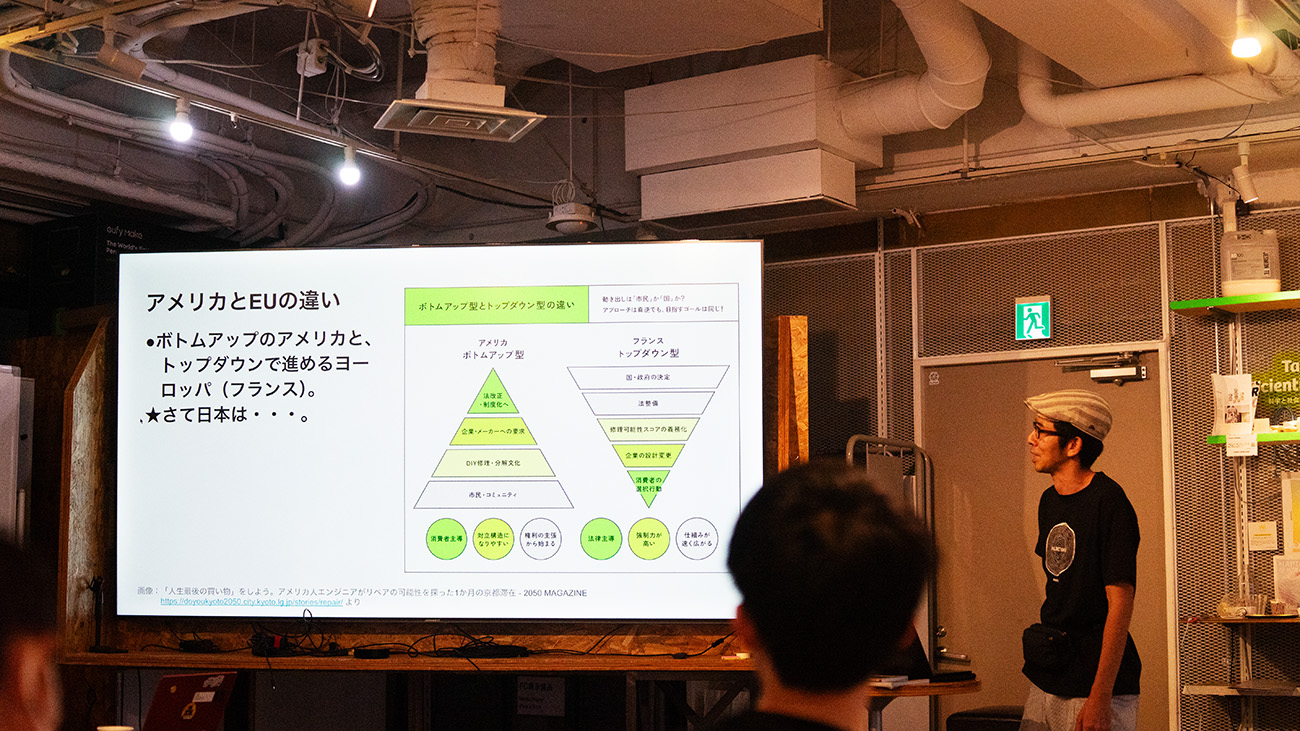
He believes there may be a third path. Rather than the adversarial clash between consumers and corporations common in the West, or strict top-down regulation, his approach fosters collaborative dialogue among the public, businesses, and policymakers. In this model, the Repair Cafe acts as an open hub. It does not need to solve every problem on the spot; instead, it bridges everyday people with professional artisans when a job demands specialized craft.
Forming an emotional bond with everyday objects is a hallmark of Japanese culture. Yamami hopes to carry that enduring spirit forward as he crafts a repair model tailored for Japan.
Restoring a broken object to its original state is not the sole purpose of a Repair Cafe. For Yamami, embracing imperfection and leaving a personal mark along the way is just as essential. During a Repair Cafe session he ran at Osaka University, a student arrived with an electric guitar missing its volume knob. Instead of fixing the cracked plastic or ordering a generic spare part, the student carved a new knob by hand from a scrap of wood. The instrument was no longer factory fresh, yet it transformed into a one-of-a-kind keepsake far more meaningful than before.
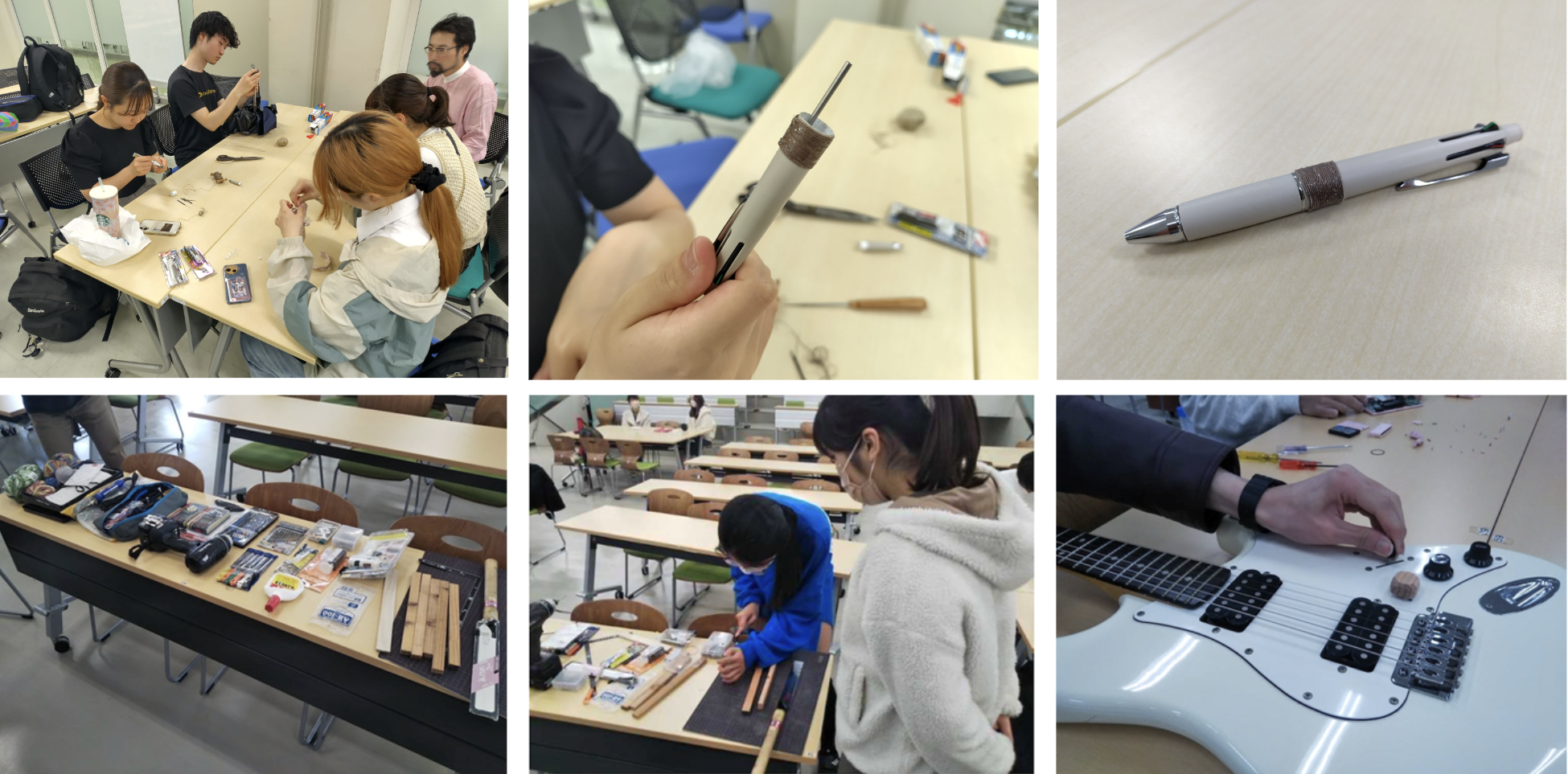
A class at Osaka University (from Yamami’s slides)
Working alongside young minds often sparks unexpected ideas that adults might never imagine. Yamami calls this playful blend of making and mending “creative repair,” turning the fix itself into an act of creative freedom.
Over nearly nine years, Tech Time and the Repair Cafe have connected neighbors across generations, from elementary school students to retirees. A child who once merely looked on has grown into an active fixer. A woman who picked up a soldering iron for the first time now builds electronic projects as a hobby. Inspiring stories like these continue to unfold throughout the program.
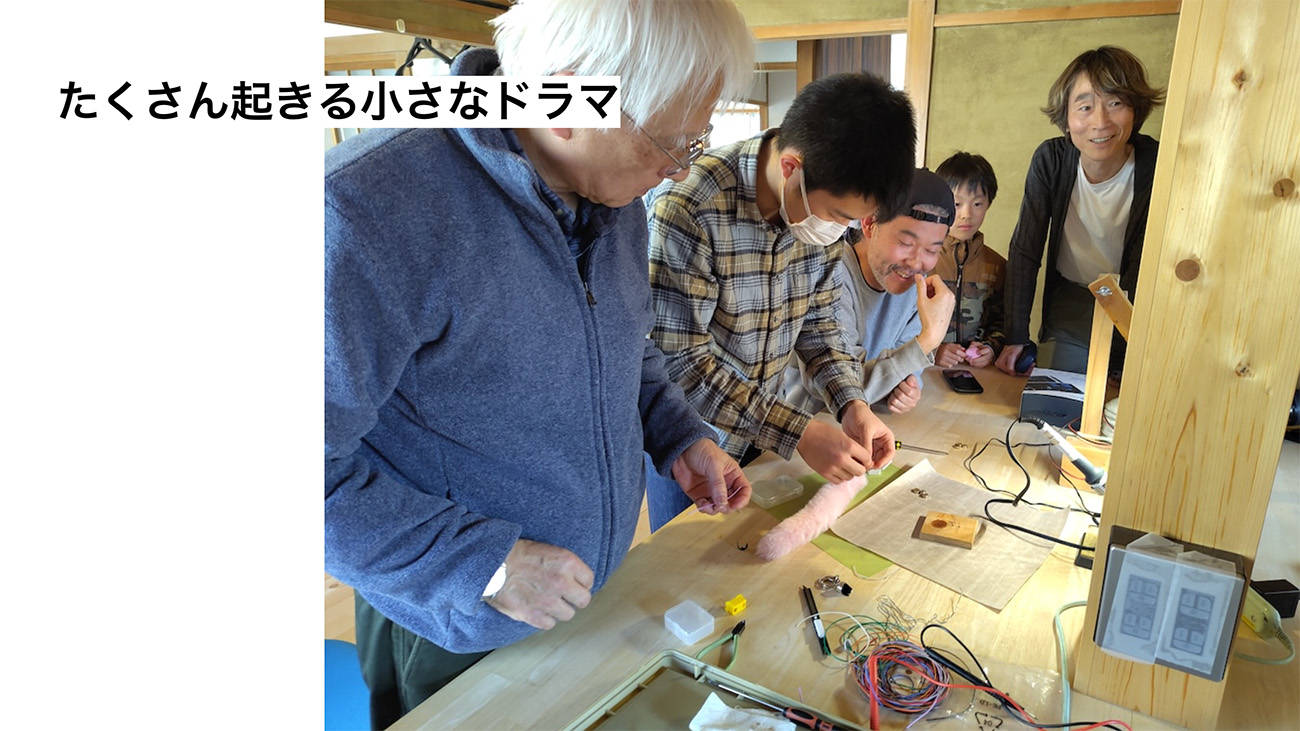
Tech Time brings generations together (from Yamami’s slides)
Welcoming everyday lives into a shared space takes intentional care. Yamami guides this work with five core principles:
- A flat community free from social labels
- A welcoming setting that never demands perfection
- A culture that values creative repair
- An eye for small, quiet moments of human connection
- An energizing environment where both guests and hosts feel renewed
The best measure of a successful session is when the host feels just as energized as the guests. “If the organizer only gives without receiving, burnout is inevitable,” Yamami explained. “To sustain any initiative over the long haul, everyone in the room must walk away feeling restored.”
Tech Time and Repair Cafe operate on different dynamics. Tech Time gives participants full freedom over what to build and how to engage. A Repair Cafe, however, easily slips into an unintended service model, where skilled fixers do the work while visitors simply wait as customers. When these roles solidify, repairers quickly shoulder an unfair burden, and people stop connecting as genuine peers.
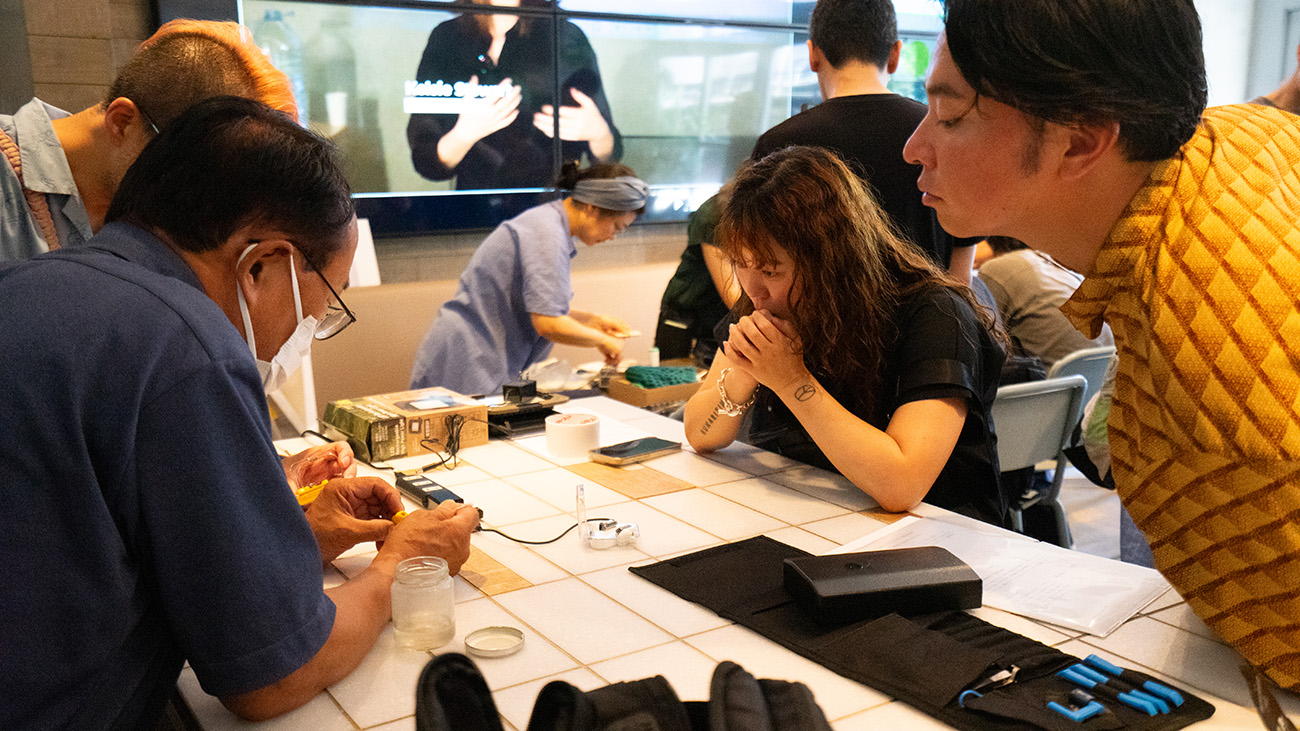
To prevent this dynamic, Yamami distilled three guiding principles from years of hands-on experience:
- Do the fixing yourself
- Savor the process
- Add your personal touch through repair
Regardless of age, gender, or technical skill, nobody is boxed into being just a provider or a receiver. When you cultivate a space where everyone stands on equal ground, people naturally step in to help one another and share ideas freely.
After Yamami’s talk, participants gathered to share reflections and discuss key takeaways. They exchanged ideas on the Repair Cafe’s potential as an educational space, the day-to-day challenges of organizing sessions, and what it takes to sustain the initiative long term. Here are the key takeaways from that conversation:
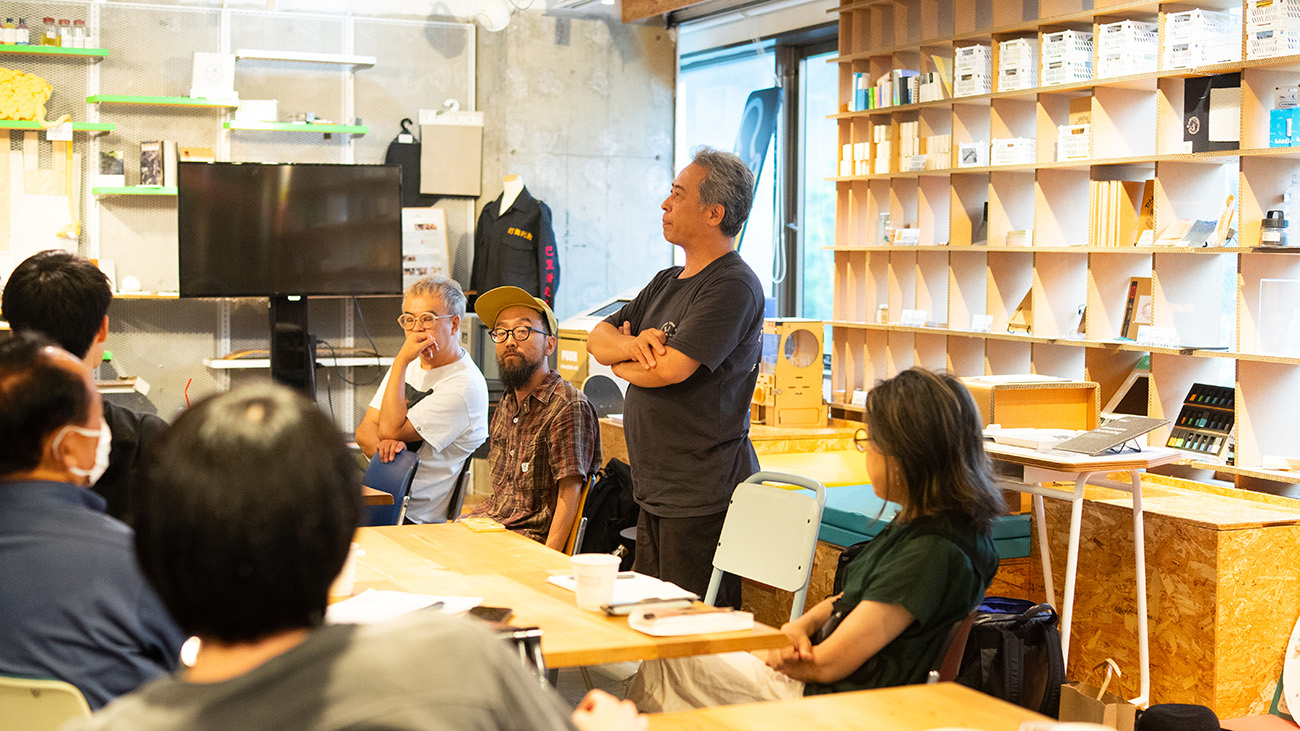
- Mutual care
The object being repaired is more than just a broken item. It becomes a natural catalyst for conversation and helps people open up to one another. - A place to learn agency
A Repair Cafe is a place to connect beyond one’s usual circle, find joy, and tackle new challenges. For younger generations accustomed to merely receiving services, it becomes a valuable space to reclaim a sense of agency. - New resource circulation for the community
Instead of discarding broken items immediately, communities can establish a repair depot where objects are safely stored until a fixer or new owner steps forward. - Working with existing community groups
To bring in skilled hands, it helps to partner with established local initiatives, such as long-running Toy Hospital chapters that carry decades of craft and repair wisdom. - A cross-generational cycle of mentorship
Regular Repair Cafes create an organic cycle of mentorship, where curious kids and past participants gradually build hands-on skills, eventually stepping up as the next generation of makers and repairers.
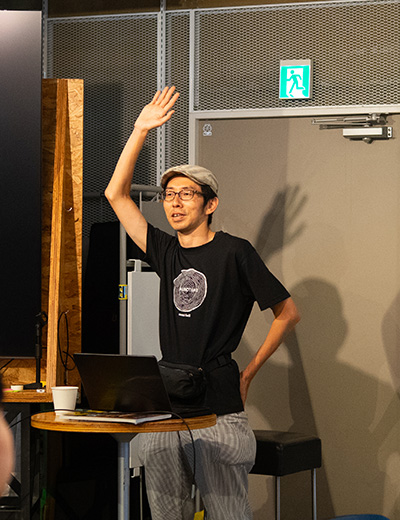
Yamami describes the Repair Cafe as “a place that restores connection through fixing things.”
Tech Time began on a much smaller scale, sparked simply by Yamami sharing his personal passion for soldering. As he stayed the course, the community expanded, giving rise to dedicated Repair Cafes that eventually reached universities and partner regions far beyond Kyoto.
Yamami’s initiatives offer far more than hands-on encounters with tools and technology. They bridge generations, dissolve social roles, and provide a welcoming haven where people recharge both their belongings and their spirits. In doing so, they spark a lasting virtuous cycle throughout the local community.
FabCafe Tokyo is now translating these shared insights into its very own Repair Cafe format. What new collaborators will step forward, and what unique creative community will take shape along the way? Keep an eye out for what comes next.
Written by Ryoko Iwasaki
Translated by FabCafe Global Editorial Team


-
FabCafe Global Editorial Team
This articles is edited by FabCafe Global.
Please feel free to share your thoughts and opinions on this article with us.
→ Contact usThis articles is edited by FabCafe Global.
Please feel free to share your thoughts and opinions on this article with us.
→ Contact us -


See Branch List
See Keyword List
- #Craft
- #crQlr
- #HK Event Report
- #COUNTER_POINT
- #Prototyping
- #Design thinking workshop
- #SDG 14 Life under water
- #Miro
- #Creator Collaboration
- #Bangkok Design Week 2020
- #FabCafe Bangkok
- #Fab Meetup Hong Kong
- #FAB Ideation
- #Future City
- #COVID-19
- #Event Report
- #Sustainable
- #Business
- #Social Welfare
- #Fab Meetup
- #Exhibition
- #Art
- #SDGs
- #Haptic Design
- #Material
- #Drawing
- #Wood
- #Hackathon
- #AI
- #Agriculture
- #YouFab
- #Workshop
- #Meetup
- #AWRD
- #Bio
- #Global Goals Jam
- #XR (VR/AR/MR)
- #Talk Event
- #Ideathon
- #Embroidery
- #Material Meetup
- #Innovation
- #Architecture
- #Interview
- #Education
- #3D
- #Business Projects
- #Community