


Column
September 17, 2026
FabCafe Global Editorial Team
In summer 2026, FabCafe Global opened FabCafe Fukushima in Iitate Village, Fukushima Prefecture, its first location in the Tohoku region, the northeastern part of Japan.
About an hour’s drive east of Japan Railways’ Fukushima Station, Iitate Village spreads across the highlands of the northern Abukuma Mountains. Rolling hills surround its farmland, and a cool climate around 500 meters above sea level supports livestock farming and highland vegetable production. Local food traditions still endure here, including “shimi-mochi,” a freeze-dried rice cake, and homemade “doburoku,” an unfiltered rice wine traditionally brewed at home. Residents describe their way of life with “Madei,” a word from the local Soma dialect that means taking the time to do things with care.That spirit is one reason Iitate has joined the Most Beautiful Villages in Japan association, a network of villages recognized for preserving their traditional landscapes and communities.
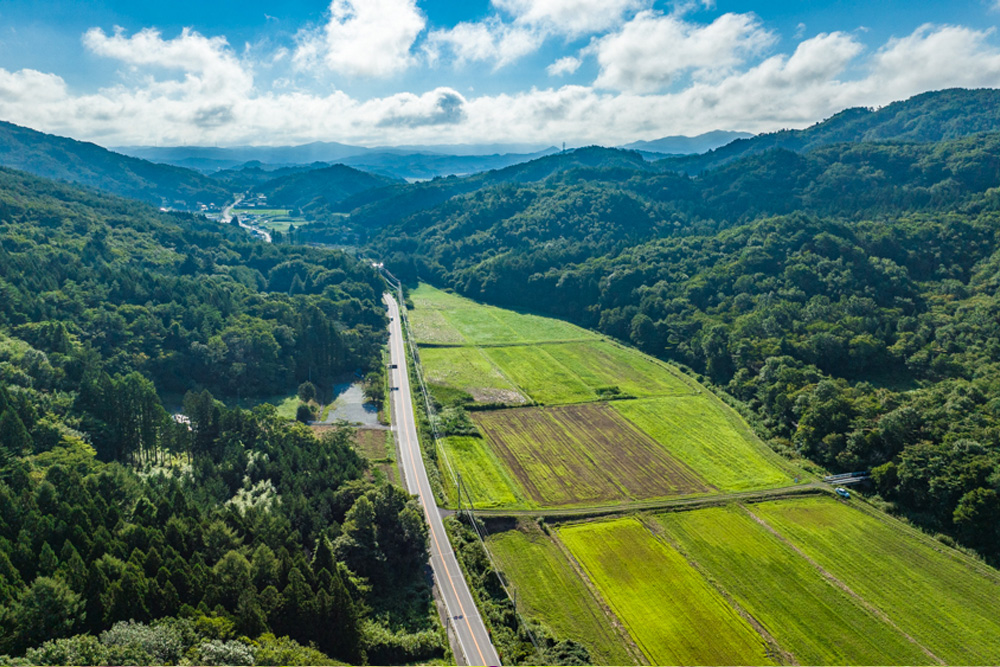
Photo: Naoki Sato
FabCafe Fukushima opened inside ZUTTO SOKO, a building along Fukushima Prefectural Route 12 in the Fukaya district, the gateway to Iitate Village. Fukaya is not a city or a tourist destination, and it doesn’t even have a train station. So why did a new FabCafe location open here, in this farming and mountain community? The answer traces back to a process of collaboration that has continued in this region since the 2011 nuclear disaster.
Most people who recognize the name Iitate Village associate it with the nuclear accident of March 2011. The village sits 30 to 50 kilometers northwest of the Fukushima Daiichi Nuclear Power Plant. At the time, wind carried radioactive materials toward Iitate, which were then washed down across the village by rain. The government designated the entire village a Deliberate Evacuation Area that April, an official category for zones where the risk of long-term radiation exposure required evacuation within about a month, and residents faced roughly six years of village-wide evacuation. [*1]
In June 2011, residents of Iitate Village, researchers, and volunteers founded the Resurrection of Fukushima to rebuild daily life and livelihoods in the region. Measurement work anchors everything the group does. Members track exactly how the radioactive materials released from the damaged reactor buildings entered and moved through the local environment. They monitor not only ambient radiation levels but also the radioactive materials present in farmland, forests, and wildlife. In the fields, residents have also developed decontamination methods they can carry out themselves. These community-led efforts continue today across multiple fronts.
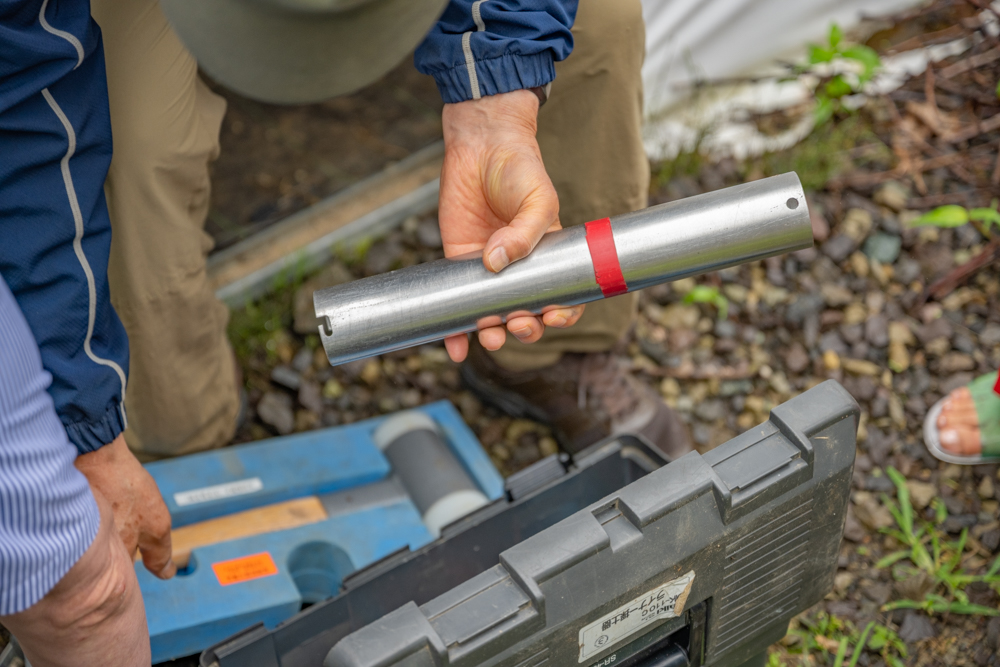
Sampling soil to measure radioactive materials. Photo: Naoki Sato
From the start, the Resurrection of Fukushima set collaboration, not a relationship between helpers and the helped, as its guiding principle. Researchers and volunteers who kept traveling from the greater Tokyo area to Fukushima came for their own reasons, driven by intellectual curiosity and by the connections with people they found there. There was no dynamic of giving and receiving charity. People from every field who simply wanted to understand gathered together, crossed the usual lines between roles, and enjoyed the work of rolling up their sleeves together, deepening their insight and practice through direct action.
Ten years after the disaster, in 2021, a group of young people inspired by the region’s recovery pioneers launched a project to renovate an old home improvement store in the village. The store, a branch of the Komeri chain called Komeri Hard and Green Iitate, had never reopened after the evacuation order lifted in March 2017. The team worked on this once-familiar community space piece by piece. They wanted to turn it into a playful secret base for community and environmental revitalization. Inheriting the spirit of collaboration, this hub now welcomes companies, students, residents, and artists alike under the name ZUTTO SOKO (図図倉庫). Here, “soko” means warehouse, while doubling the kanji zu (図) signifies striving creatively toward a goal. Pronounced like the Japanese word zutto (meaning forever), the name embodies a wish that Iitate Village’s environmental work will continue well into the future.
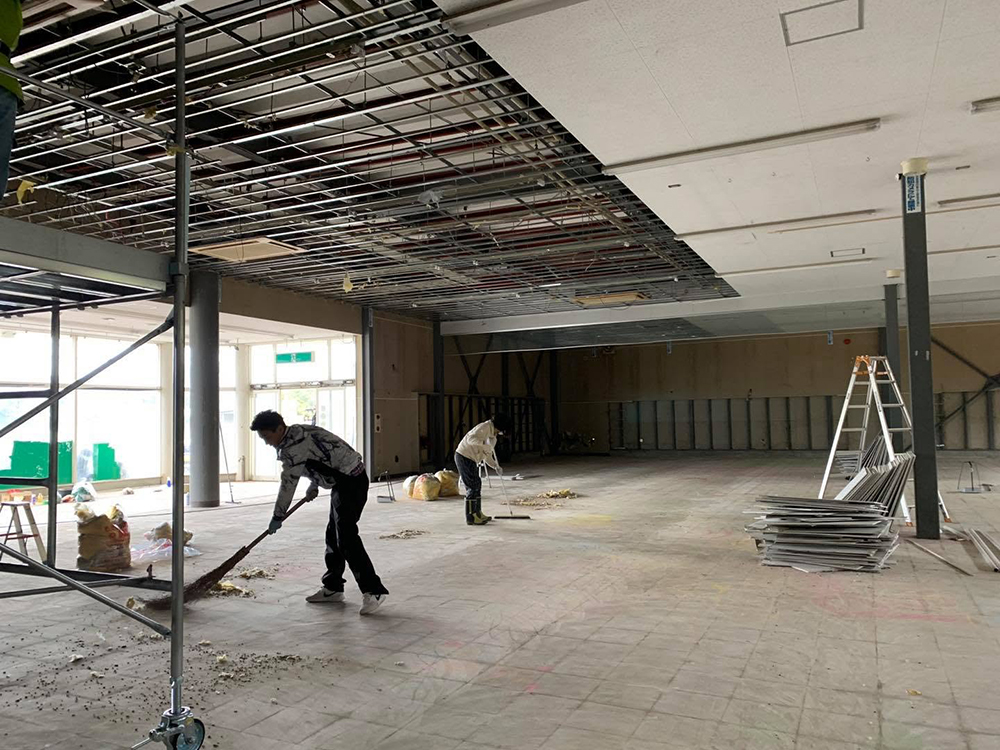
During the renovation
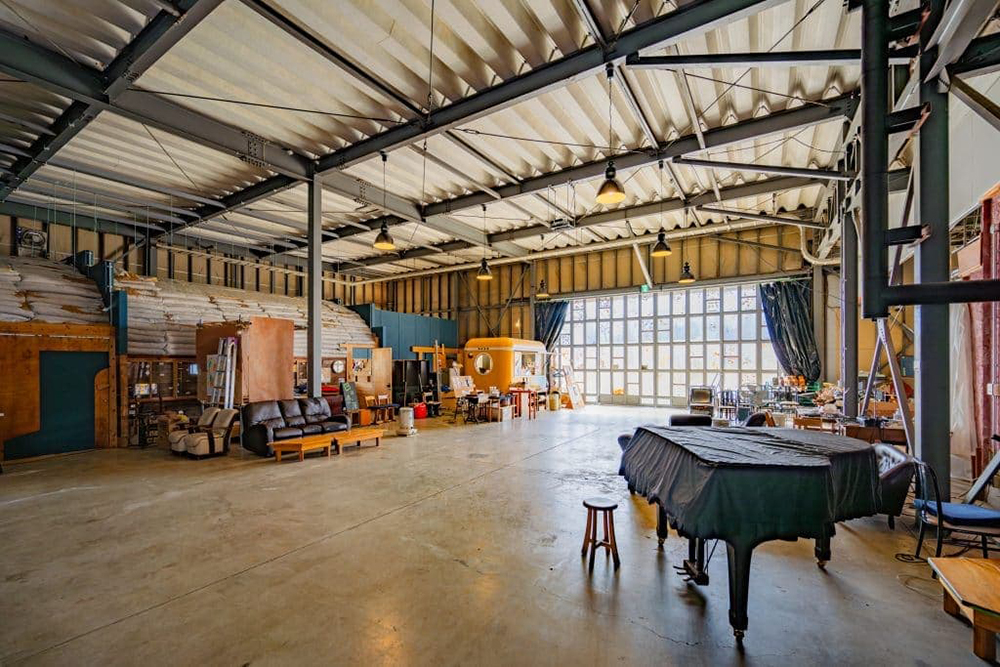
Inside the ever-evolving ZUTTO SOKO
ZUTTO SOKO hosts a diverse range of initiatives: tours that treat the entire Iitate landscape as an open-air field museum, corporate collaborations tackling local environmental challenges, and art projects transforming the village’s lived history into singular experiences. For example, Rokuyo Denki, an electrical equipment firm based in Fukushima City, set up the Iitate Wasabi Lab as an on-site tenant. Partnering with researchers and students who gather at the hub, the lab is developing indoor hydroponic systems that replicate mountain stream environments to establish scalable wasabi cultivation techniques.
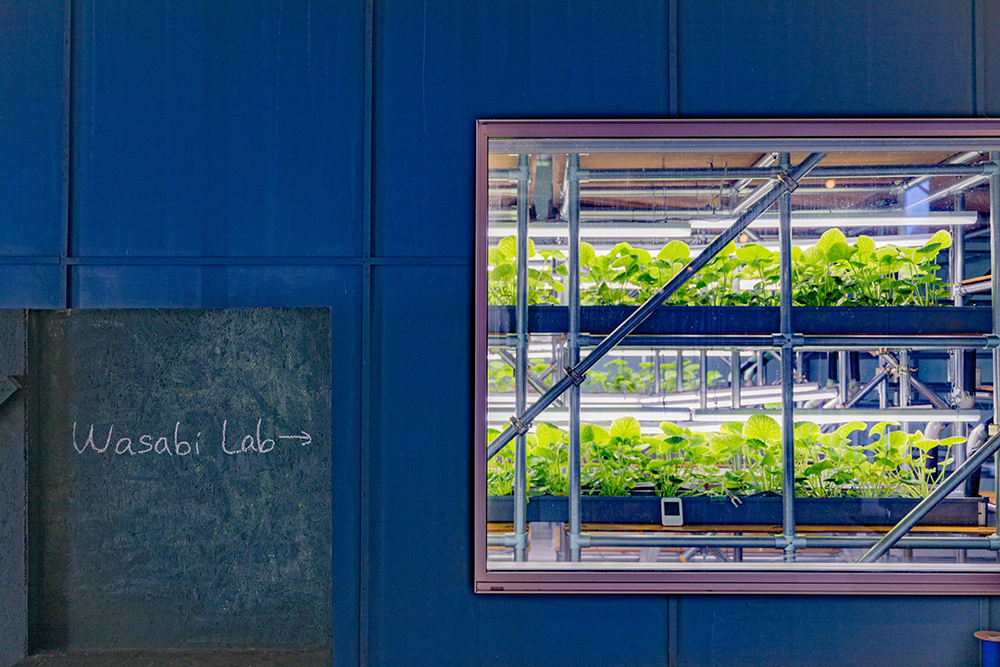
Rokuyo Denki’s Iitate Wasabi Lab
In 2023, the space hosted the “Walking Restaurant Hikari no Tori: Gathering of Observers,” a program bridging art, science, food, and terroir. Casting participants as “observers,” this roaming dinner engaged all five senses to immerse guests in Iitate’s distinct ecological world. Actors, musicians, and chefs joined forces across disciplines, offering diners a firsthand taste of the land’s multifaceted charm.
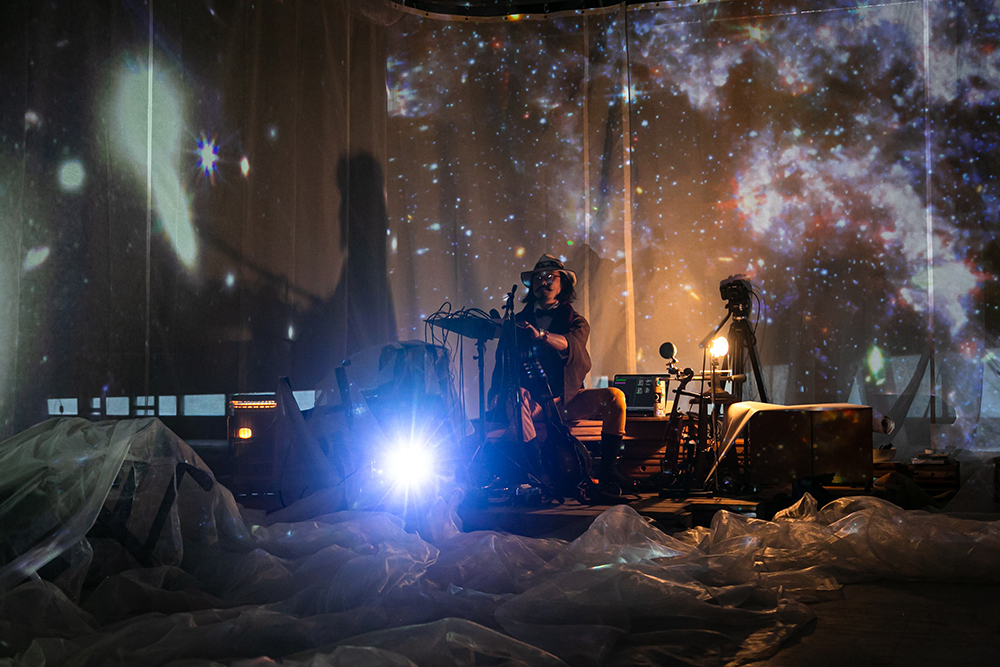
“Walking Restaurant Hikari no Tori: Gathering of Observers” Photo: Naoyuki Yamadaya
The Iitate Trailer Base Project kicked off in 2026. Together with architect Kengo Sato (founder of Korogarou and Kengo Sato Architecture office, who led the spatial design of ZUTTO SOKO) and DISCOVER, the trailer brand by Ohori Construction, we are exploring the future of local infrastructure through the development of high-performance mobile spaces.
The initiative spans several fronts: producing and selling mobile units equipped with vital lifelines for disaster resilience, developing experimental units designed as environmental labs, and setting up an experiential showroom site where guests can stay overnight.
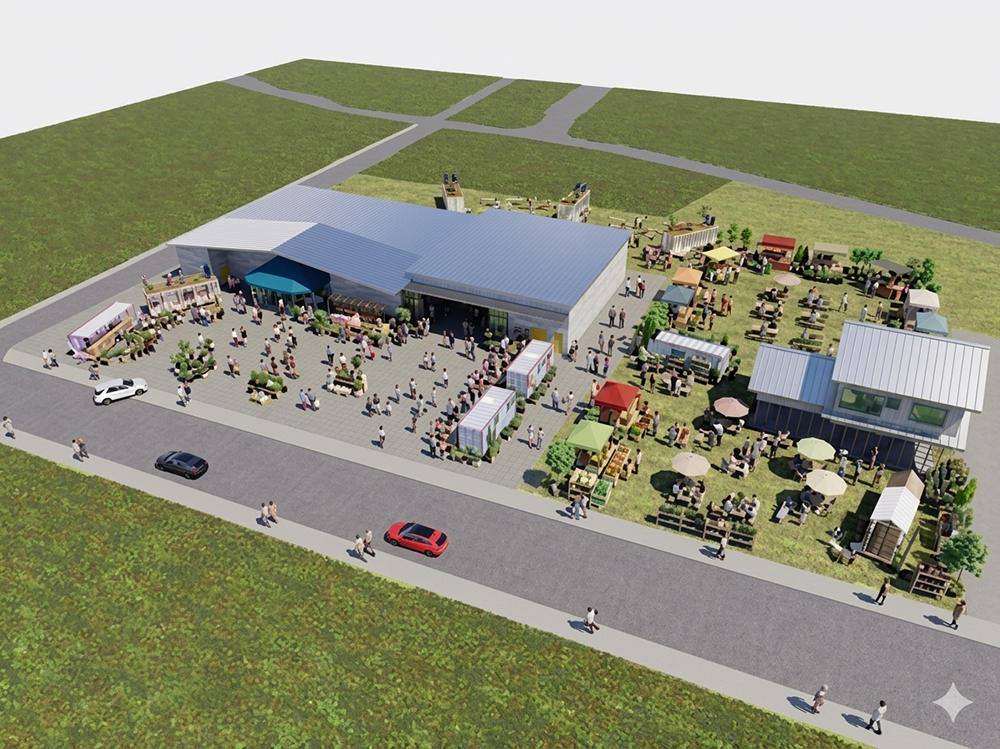
Future vision: FabCafe Fukushima × Iitate Trailer Base Project
Built alongside people across diverse backgrounds and professions, ZUTTO SOKO is driven by the spirit of “Do It Together.” Fifteen years after the disaster, as the relationship between humanity and nature calls for deeper reflection, establishing FabCafe here in Iitate Village carries profound meaning. By tapping into the creative spark within every individual and the possibilities unlocked through collaboration, FabCafe’s mission is to continuously engage society with provocative questions and hands-on experiments, all guided by a sense of playful curiosity.
FabCafe Fukushima hosts workshops and events from time to time, centered on environmental stewardship and making, while offering guided day tours and open invitations for local collaborative projects. Whether you are dropping by for inspiration or looking to shape the future of sustainable business together, we warmly welcome you to Iitate Village.
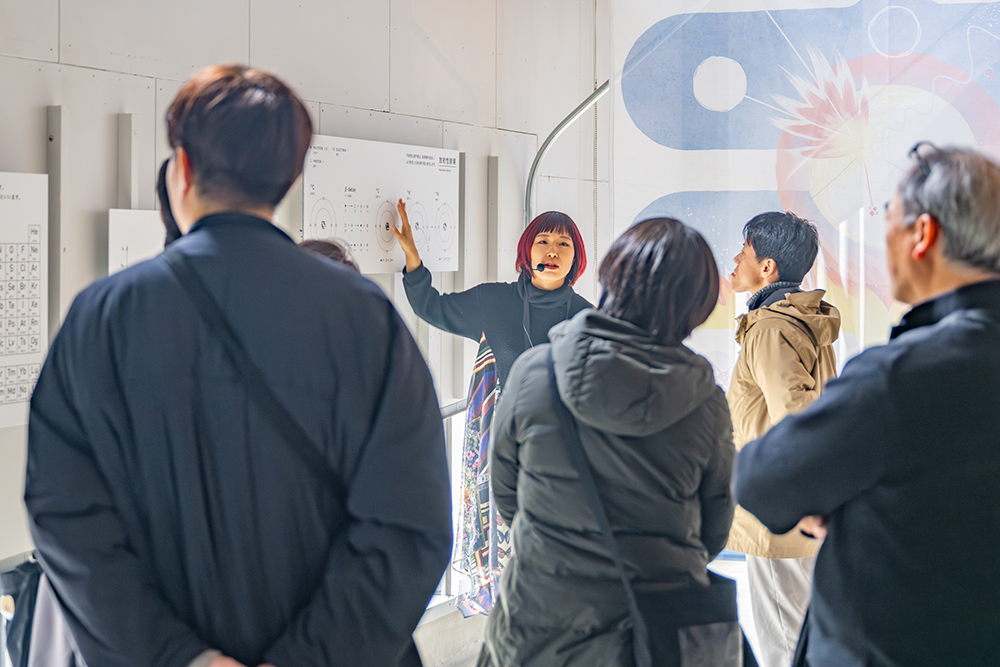
Scenes from the guided tour of the permanent exhibition, “Environmental World”
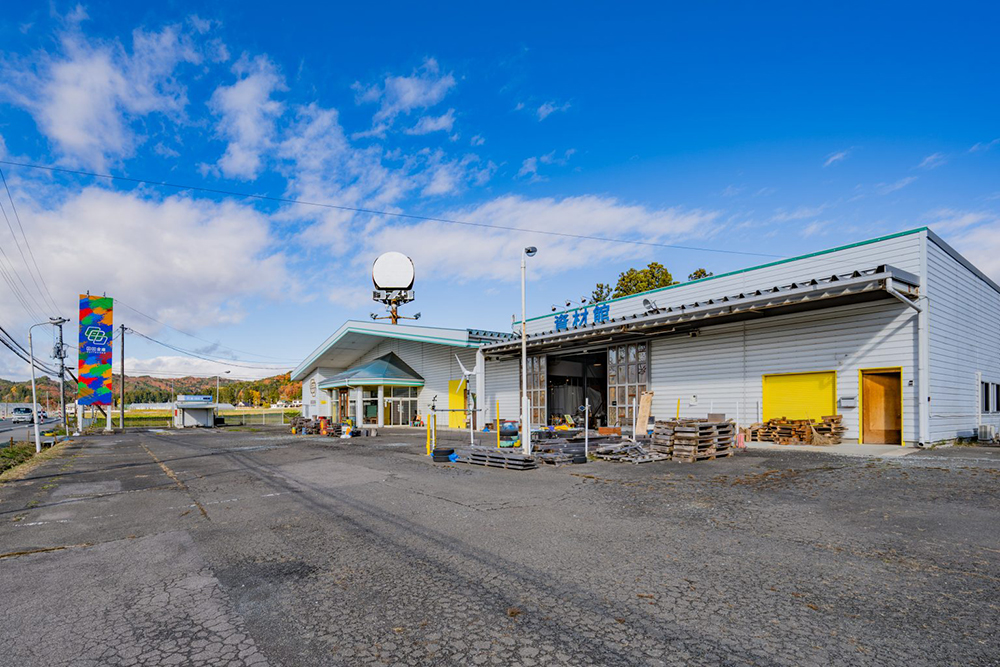
Exterior of FabCafe Fukushima and ZUTTO SOKO
[*1] Evacuation orders in the Nagadoro district were lifted in stages: first for the Specified Reconstruction and Revitalization Base (May 1, 2023), and later for farmland in the Nagadoro-Magata area (March 31, 2025). Ongoing projects now recycle soil removed during decontamination into fill material and embankments.


-
FabCafe Global Editorial Team
This articles is edited by FabCafe Global.
Please feel free to share your thoughts and opinions on this article with us.
→ Contact usThis articles is edited by FabCafe Global.
Please feel free to share your thoughts and opinions on this article with us.
→ Contact us -


See Branch List
See Keyword List
- #Craft
- #crQlr
- #HK Event Report
- #COUNTER_POINT
- #Prototyping
- #Design thinking workshop
- #SDG 14 Life under water
- #Miro
- #Creator Collaboration
- #Bangkok Design Week 2020
- #FabCafe Bangkok
- #Fab Meetup Hong Kong
- #FAB Ideation
- #Future City
- #COVID-19
- #Event Report
- #Sustainable
- #Business
- #Social Welfare
- #Fab Meetup
- #Exhibition
- #Art
- #SDGs
- #Haptic Design
- #Material
- #Drawing
- #Wood
- #Hackathon
- #AI
- #Agriculture
- #YouFab
- #Workshop
- #Meetup
- #AWRD
- #Bio
- #Global Goals Jam
- #XR (VR/AR/MR)
- #Talk Event
- #Ideathon
- #Embroidery
- #Material Meetup
- #Innovation
- #Architecture
- #Interview
- #Education
- #3D
- #Business Projects
- #Community