


Column
October 7, 2026
FabCafe Global Editorial Team
ISAN Value UP, launched in March 2025, was a five-month journey backed by Thailand’s Creative Economy Agency (CEA) and the new Thailand Creative Design Center (TCDC) in Surin, Si Sa Ket, and Ubon Ratchathani. Partnering with FabCafe Bangkok, the initiative showed how creators can give traditional crafts a modern spin. Through expert mentorship and a collaborative community, participants transformed heritage, time-honored skills, native materials, and local networks into vibrant, market-ready items. Dedicated local entrepreneurs made this possible alongside creators, chefs, and experts like Chef Fai of Mok, Patipat Chaiwitesh, and Kotchawat Buranapinyo.
Kickoff insights from FabCafe Kyoto, Hida, and Fuji
FabCafe Bangkok kicked off the project in March by bringing in peers from FabCafe Kyoto, Hida, and Fuji to share their work in craft innovation. Five months later, the initiative wrapped up with a bustling and diverse showcase at the Isan Creative Festival 2026 in Khon Kaen.
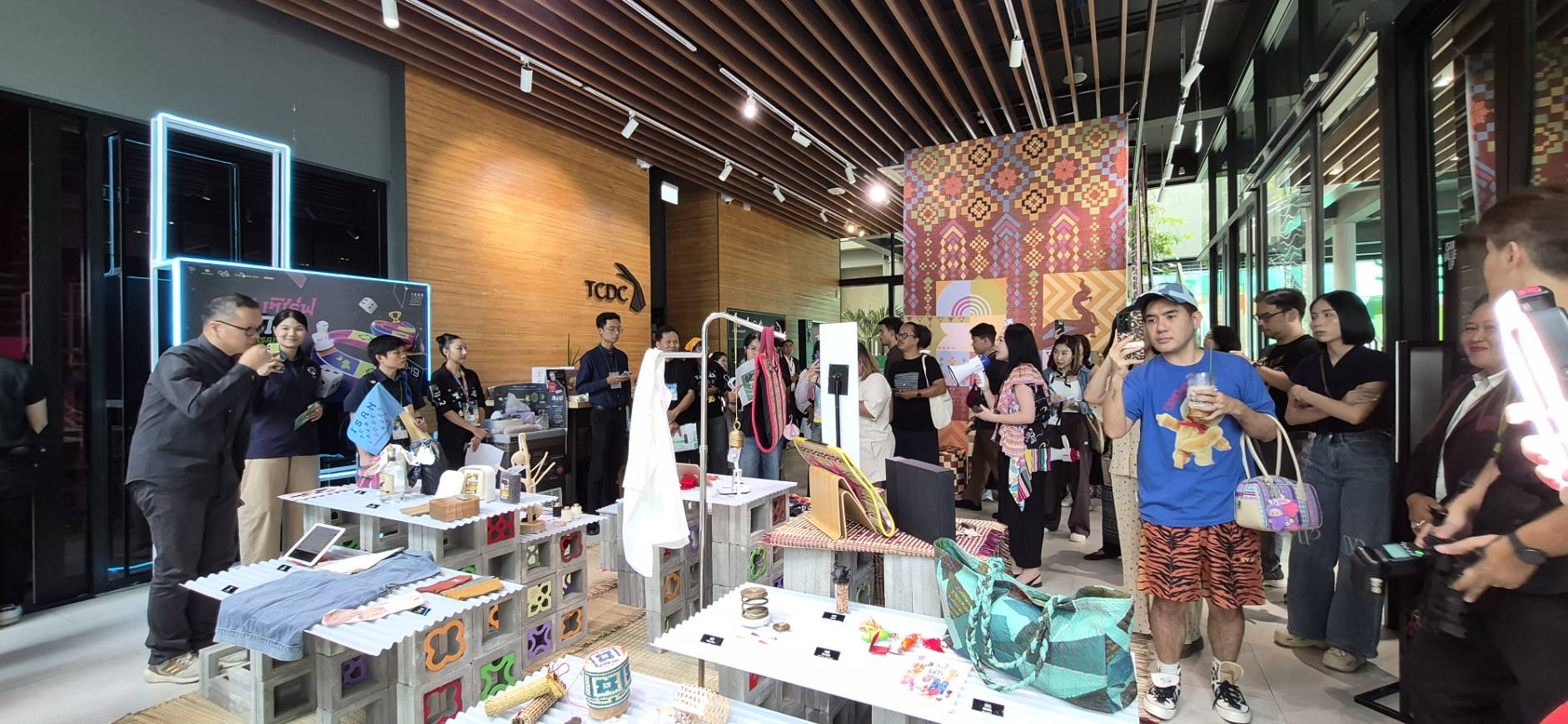 Every province curated its distinct lineup: The Surin, Sisaket, and Ubon Ratchathani collections. Catalogue by CEA and TCDC.
A pre-order station welcomed guests right at the door. Scanning a QR code allowed people to buy prototypes straight from the makers, directly supporting local talent.
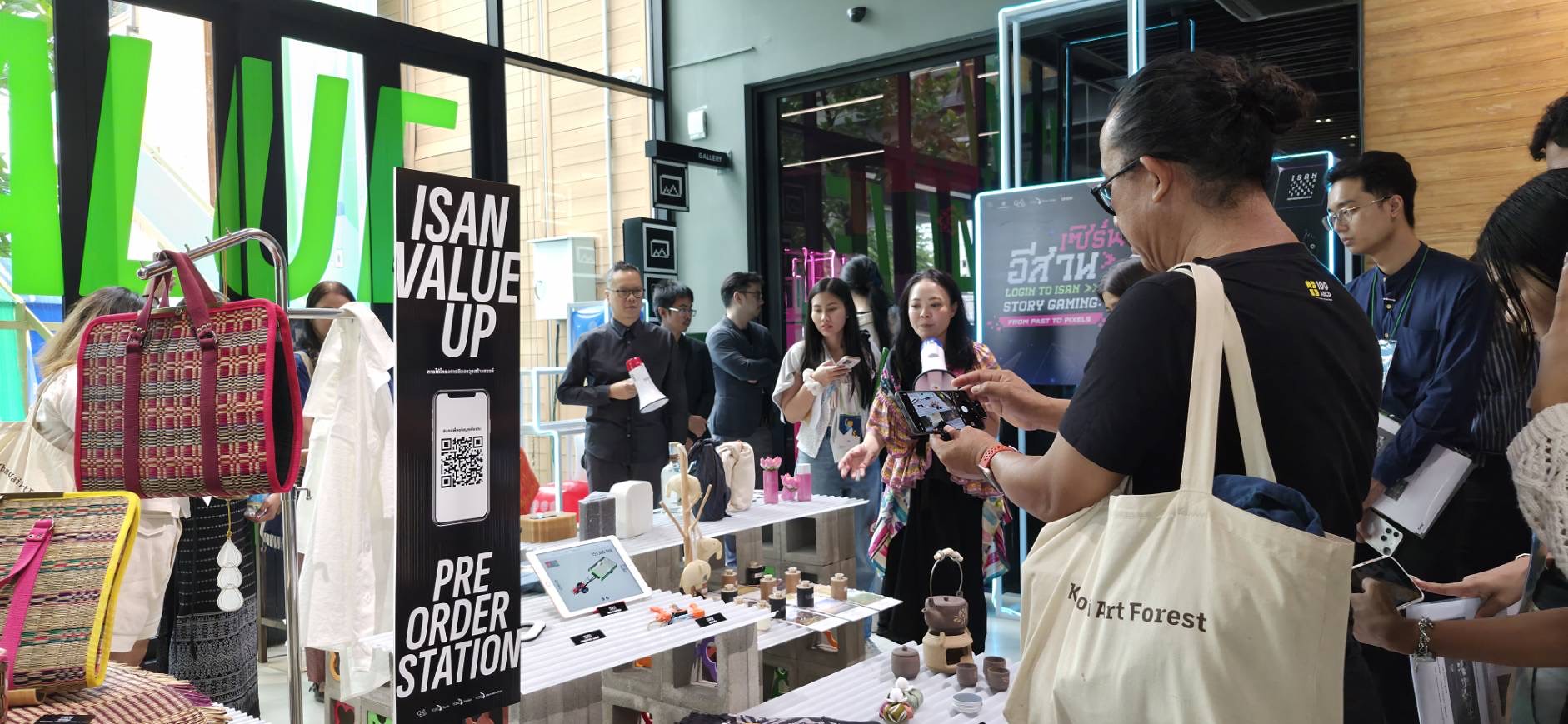
The pre-order station. Products from all three provinces can still be ordered at isanvalueup.wixsite.com/isan-value-up.
In designing the exhibition, FabCafe Bangkok sought to reflect Isan’s local environment by using concrete breeze blocks for its displays, an iconic and airy staple across the region. The modular breeze block setup also integrated custom 3D-printed inserts that fitted into the blocks without glue. 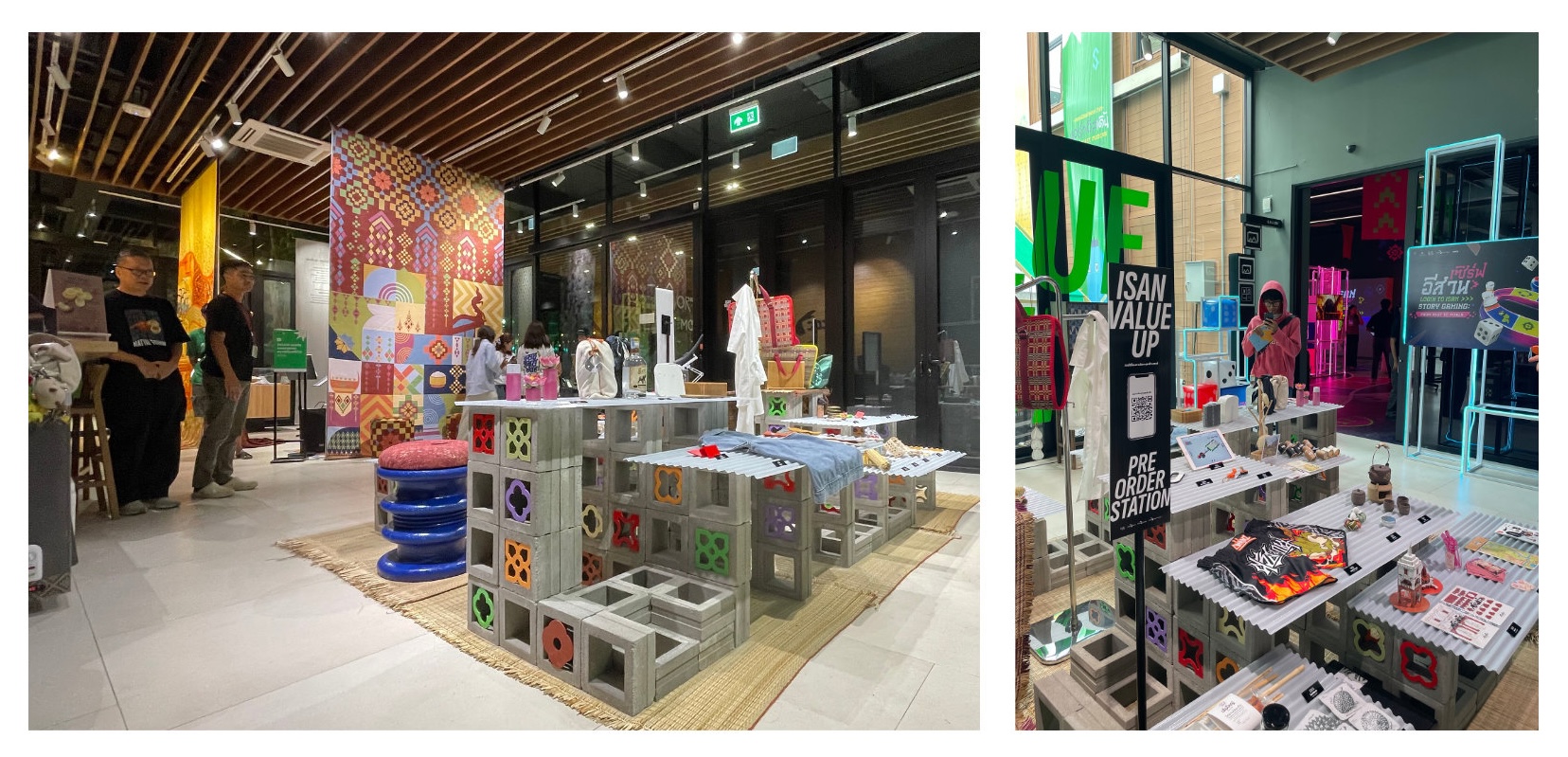
The full system before opening: breeze blocks, 3D-printed inserts, hand-woven reed mats, and corrugated roofs.
The program sparked over 35 unique prototypes across food, apparel, decor, wellness, and cultural experiences. ISAN VALUE UP explored how local cultural assets can be translated into new products, services, and business opportunities for a new generation. Rather than simply redesigning traditional products, the program looked at how each city’s creative ecosystem could evolve from textiles and music to festivals, food, digital tools, and new services.
ISAN Value UP Overview
-
Surin — A city of textiles
In Surin, the exploration went beyond creating new textile patterns or fabrics to look at the wider textile economy and ecosystem. Agricultural and textile waste were reconsidered as new materials, including the development of rice-straw-based textile yarn for upholstery, furniture, and interior applications. Beyond physical products, the program also explored textile-related services and digital tools that allow a new generation of creators to participate in the evolution of Surin silk culture, translating contemporary graphics into weaving patterns and opening new possibilities for Thai silk.
-
Sisaket — A city of music
Sisaket explored how traditional music culture could evolve through technology and new forms of audience engagement. The Sanai, a traditional wind instrument made from buffalo horn, was reinterpreted through 3D printing to improve consistency and adapt the instrument toward international performance standards. Other projects looked beyond the instrument itself to the music ecosystem, such as an NFC keychain developed for Toon Pinsing that connects audiences directly to an artist’s online channels, helping musicians grow their fanbase and build longer-term relationships with followers.
-
Ubon Ratchathani — A city of festivals
Ubon explored how cultural heritage can move beyond preservation and become part of contemporary festival experiences that attract people back to the city. Local stories and visual traditions were translated into accessible products for younger audiences — from mango sheets shaped with motifs inspired by the Candle Festival, turning traditional Thai patterns into playful contemporary objects, to Khumkhik, a lip balm inspired by the palad khik amulet and reinterpreted through contemporary Mutelu culture around love and attraction. Together, these projects show how food, belief, craft, and visual culture can become new entry points into Ubon’s festival economy.
PHUVASIL Project | Sisaket
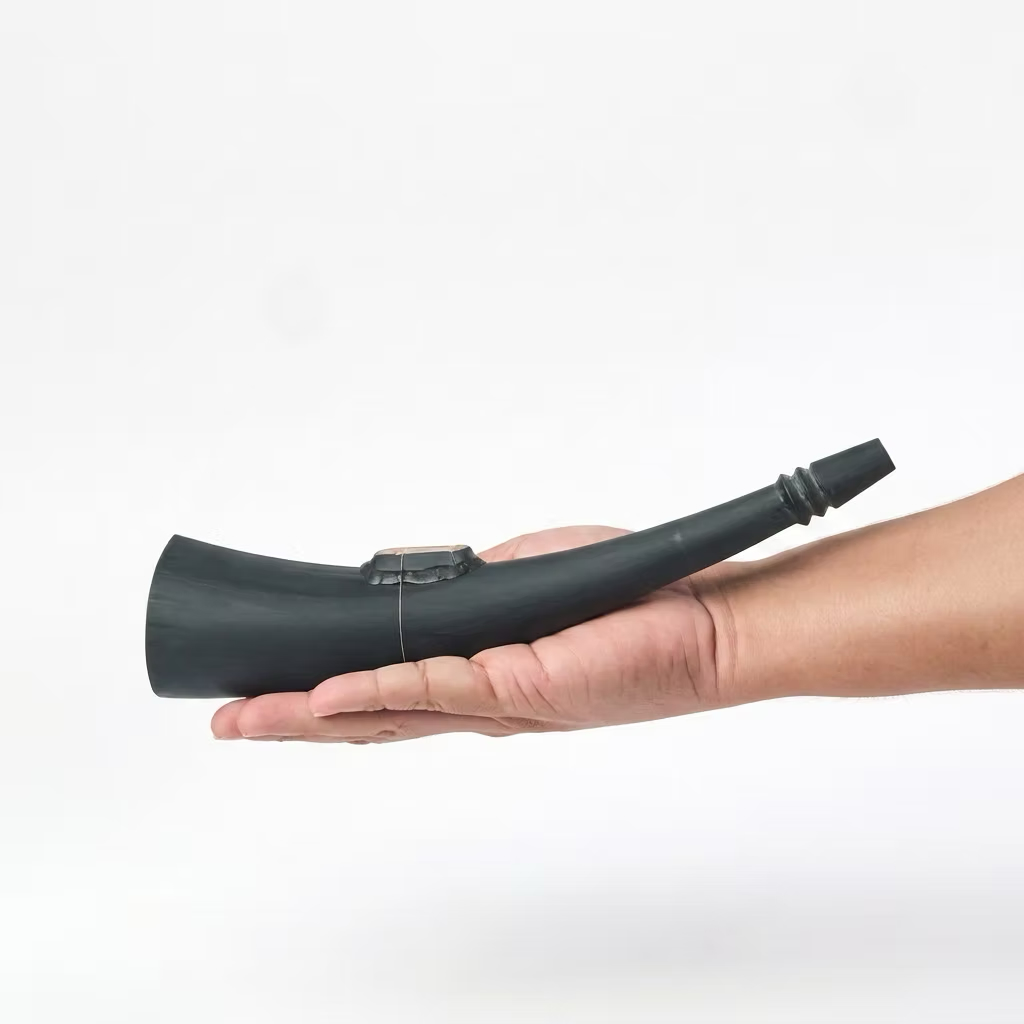
The traditional Sanai instrument has been updated by pairing local craft with modern techniques. Swapping buffalo horn for contemporary fabrication improves quality control and consistency. Using sound wave analysis ensures a stable tone that blends smoothly into Western-style ensembles, while offering visitors a meaningful souvenir rooted in heritage and modern design. More information here. PHUVASIL was created by Phuwanai Direksin, chair of the Music Education program in the Faculty of Education and Human Development at Sisaket Rajabhat University and an expert instructor in music. For inquiries, contact him at backjass0@gmail.com.
วันวาน (Days Gone By) | Sisaket
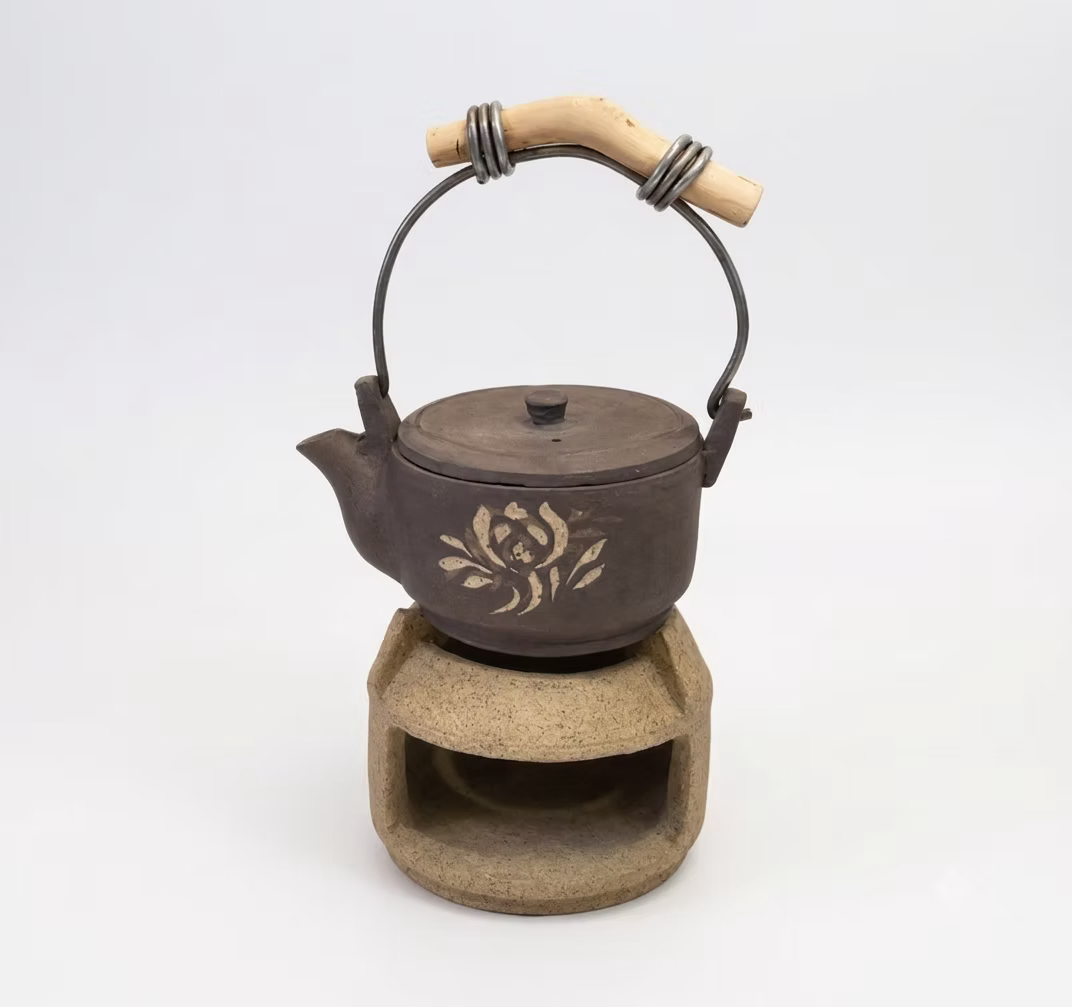
The “Wan Wan” (Days Gone By) tea set features volcanic clay teapots inspired by the practice of seasoning teapots in Chinese tea culture, known as *Yang Hu* (養壺). Regular use allows the clay body to absorb the aroma, color, and flavor of the tea, developing a beautiful patina over time.
Much like traditional earthenware and purple clay (*Zisha*) teapots, these volcanic clay vessels carry a distinct character that evolves through use. With every pour, the pot absorbs the story of each brew, turning every piece into a one-of-a-kind treasure. More information here. The Wan Wan (Days Gone By) tea set was created by Waranthon Wongsanga and Methi Chaiha of Wanwan Craft Studio. For inquiries, contact them at wararthorn1979@hotmail.com.
กาแฟทุเรียนภูเขาไฟ (Volcanic Durian Coffee) | Sisaket
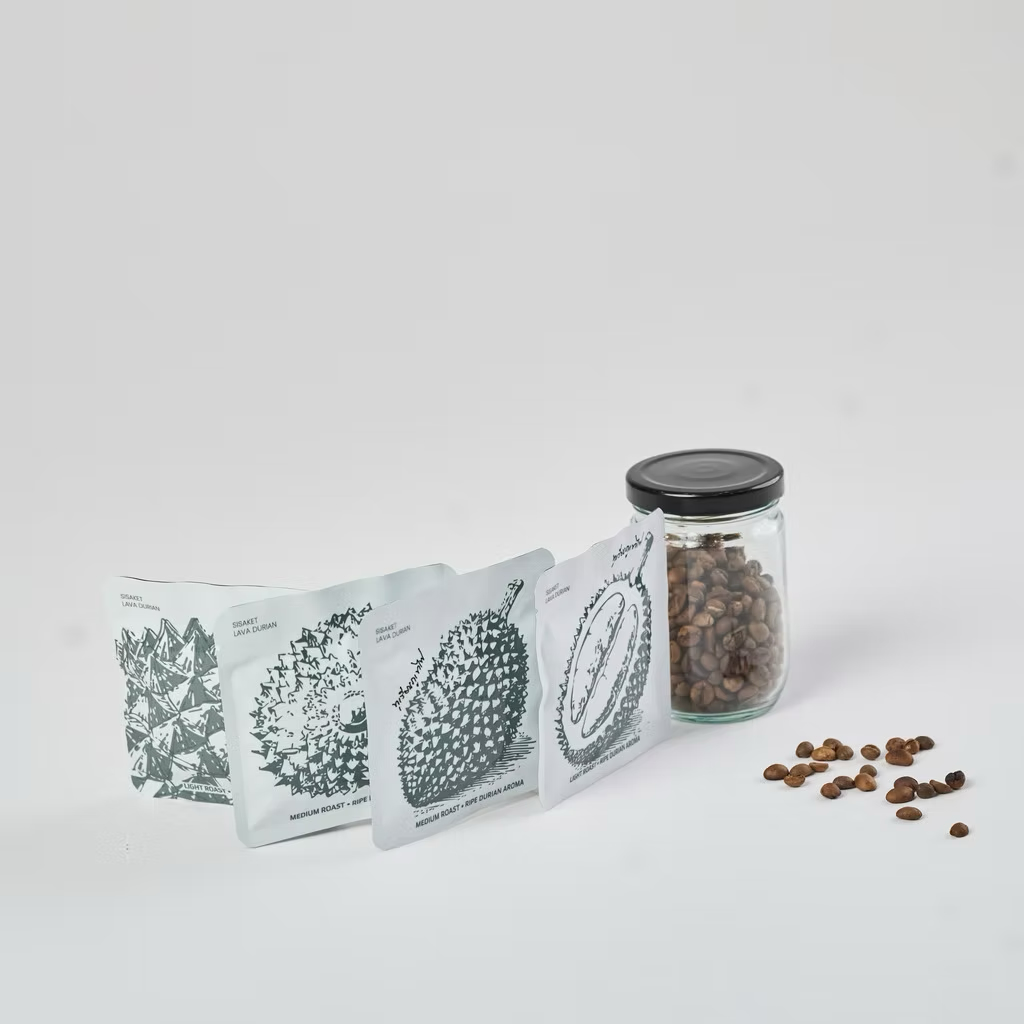
This ready-to-drink coffee highlights Si Sa Ket’s volcanic soil and iconic “volcanic durian.” The goal was to build a convenient, accessible drink that fits modern routines while putting a creative spin on local ingredients.
The process co-ferments local Robusta coffee with volcanic durian to enhance its flavor and aroma profile. Fermentation softens Robusta’s usual edge, creating a smoother taste with a gentle hint of durian. The result is a well-rounded coffee that tells the story of Si Sa Ket in every sip. More information here. Volcanic Durian Coffee was created by Chatchai Chaiyotha, a farmer and coffee processor in Si Sa Ket who is chairman of the Robusta coffee farmer network and of the Chai Pattana Si Sa Ket community enterprise. For inquiries, contact him at chatrehai8888@gmail.com.”
Spirit of Fire (Muay Thai Shorts) | Sisaket
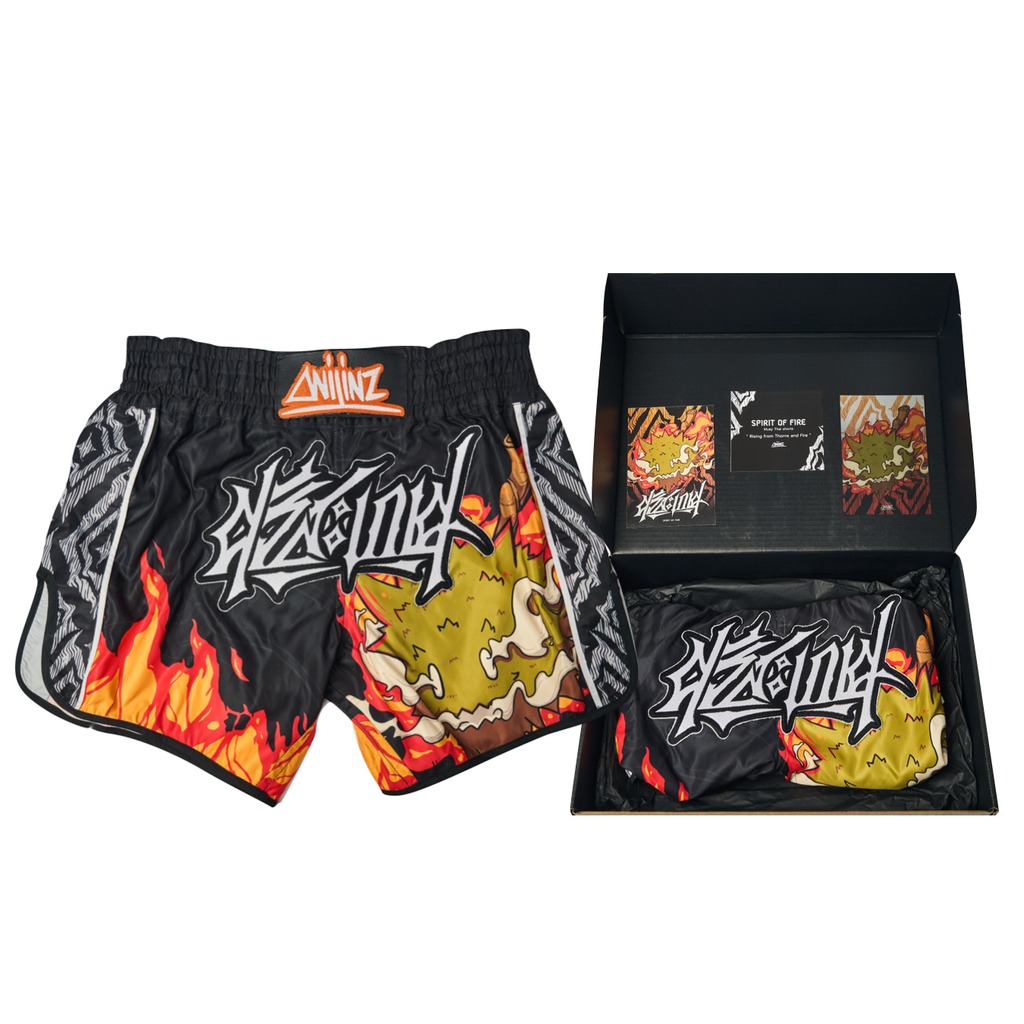
These Muay Thai shorts take inspiration from Sisaket Nakhonluang Promotion, a well-known fighter from Si Sa Ket, to communicate the province’s image as a city of sport and to inspire a new generation. The product responds to the fitness and wellness market, pairing graffiti-style lettering with embroidered Muay Thai shorts for a more contemporary look.
Muay Thai is a famous sport that draws wide interest from international audiences, so the product has potential in both the sports market and the souvenir market. Designed by Patirat Sriphiwchan and sold as a box set (THB 3,000).
สร้างหว้า (Sanghwa Craft & Gift Shop) | Sisaket
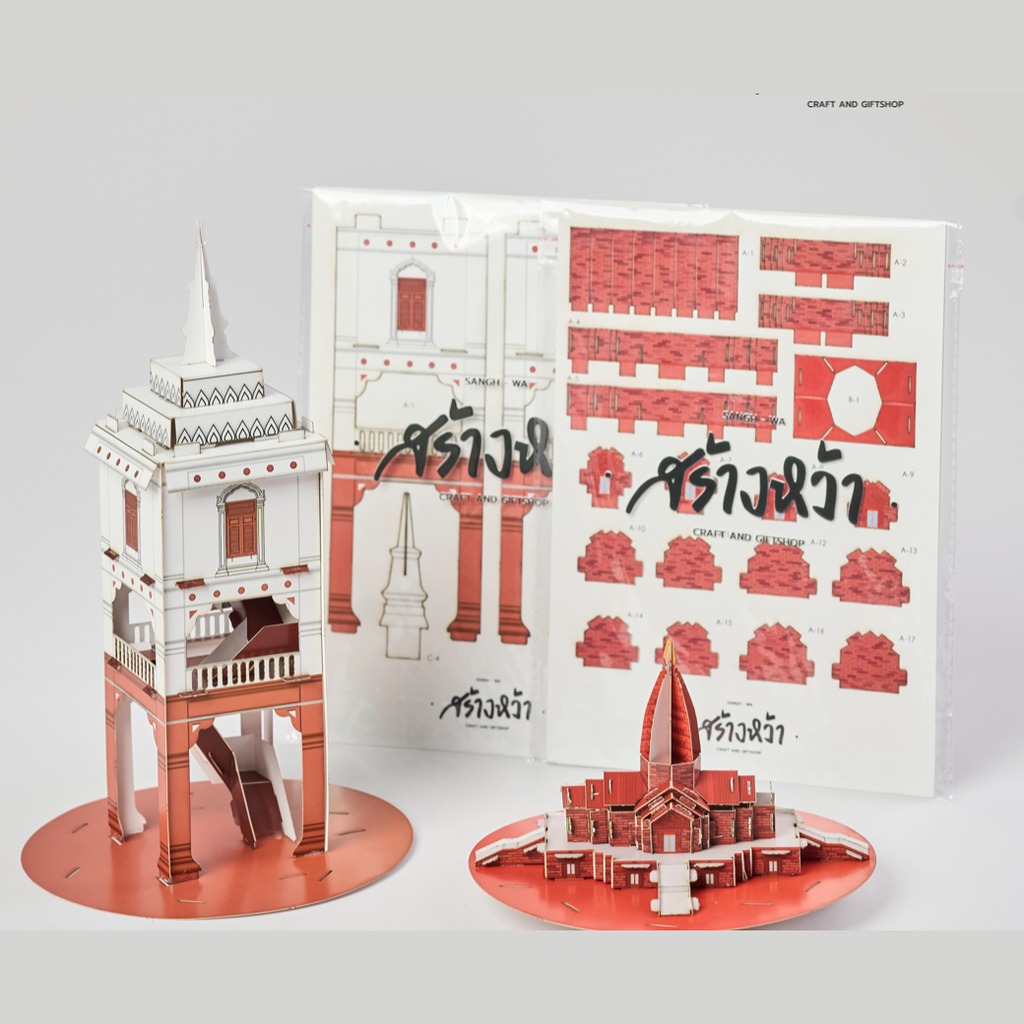
Sanghwa is a card and paper-craft product that buyers can decorate and build on themselves, to record their memories of traveling in Si Sa Ket. The idea is to turn the card from a typical souvenir into a medium where users take part in creating their own story, memories, and impressions by writing, drawing, or adding to it.
The range includes paper models of the Wat Luang Sumang Khlaram Bell Tower and the Pavilion of Wat Phrai Phattana (THB 300 each), created by Nachai Payakchansilp. More information here. Sanghwa was created by Namchai Phayakchansin, owner of Sanghwa Craft & Giftshop, a gift, souvenir and resin handicraft shop in Si Sa Ket. For inquiries, contact the shop on Instagram at @sanghwa.cg.
มะม่วงกวนลายเทียน (Mango confectionaries in traditional candle patterns) | Ubon
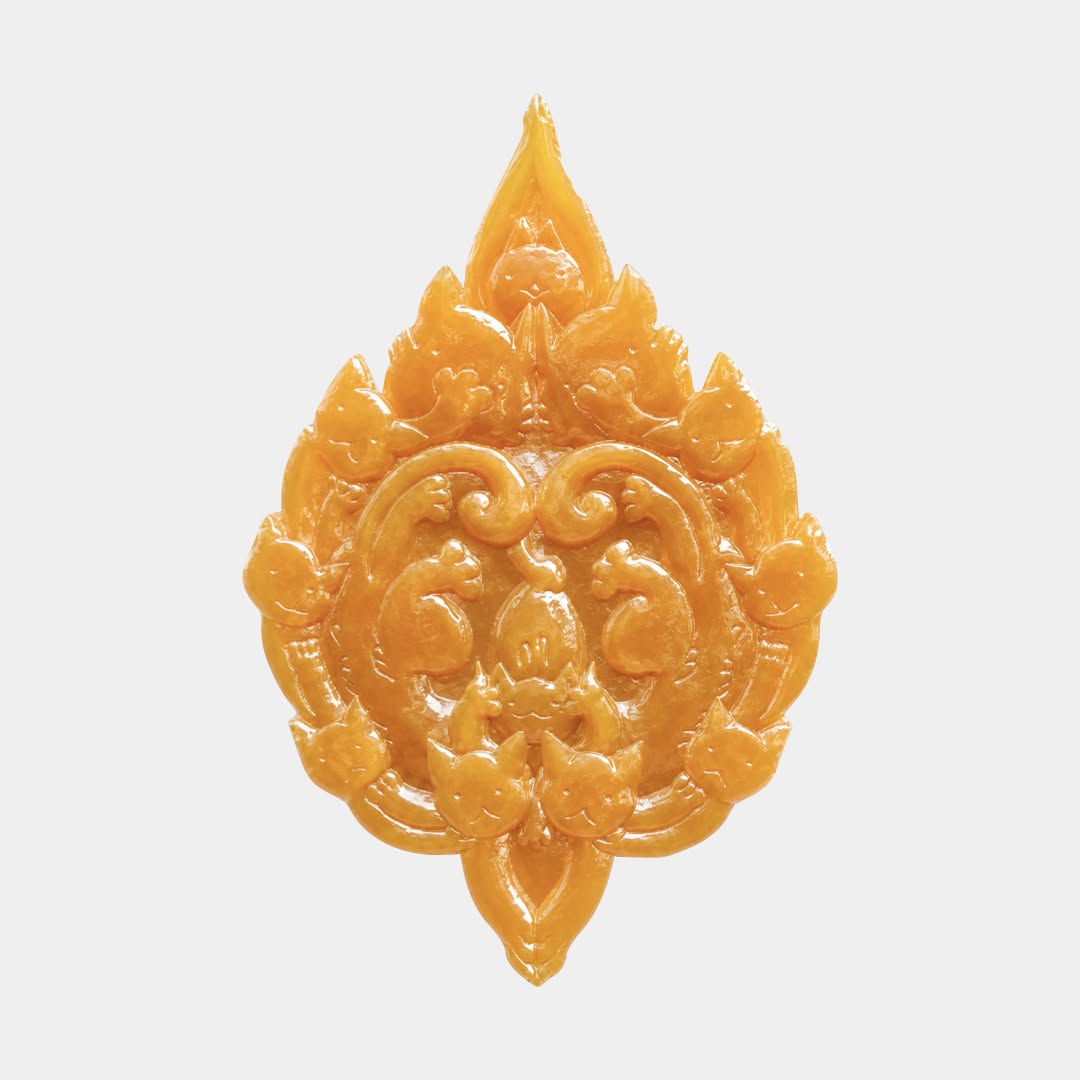
Candle-pattern mango sheets by Thanradee Trisiripanich and Kotchawat Buranapinyo. Look closely for the cats.
Ubon Ratchathani is famous for its annual Candle Festival, where veteran artisans teach younger generations skills like pattern drafting, carving, stamping, and wax sculpting.
Noticing festival guests leaving as soon as parades ended, Thanradee Trisiripanich set out to create a lasting keepsake. She combined ripe seasonal mangoes with intricate candle motifs, converting large float artwork into bite-sized, edible treats.
Working alongside artist Kotchawat Buranapinyo, they added a playful touch by hiding tiny cat figures inside three classic patterns: phum khao bin, prajam yam, and krajang ruan. More information here. The candle-pattern mango sheets were created by Thanradee Trisiripanich and Kotchawat Buranapinyo. For inquiries, contact them at jibbhp@gmail.com.
คราม (Indigo Dyed Products) | Ubon
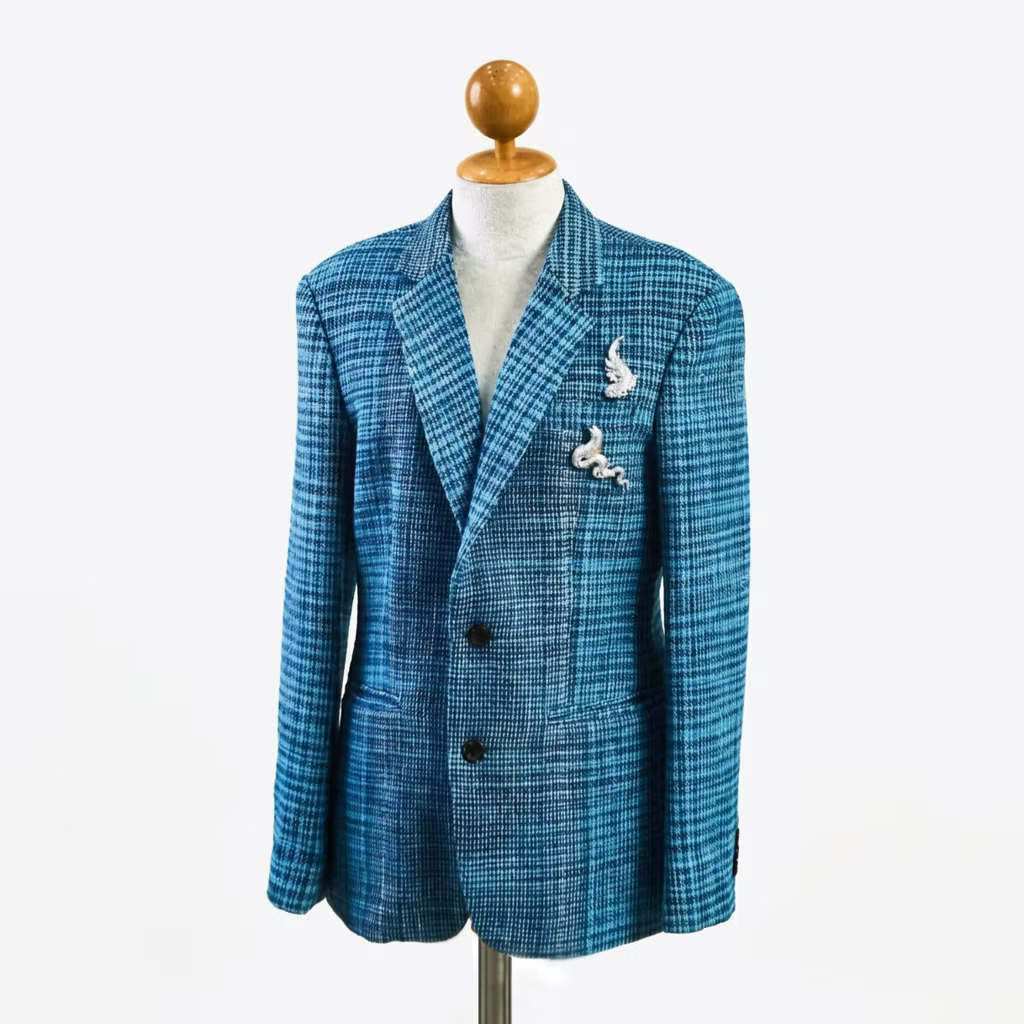
This line features indigo-dyed suits tailored with a sleek, modern look. The design brings traditional indigo dye into contemporary wardrobes, making it suitable for both formal and casual settings. By appealing to younger fashion lovers, it redefines indigo as a stylish, heritage-rich material for today. More information here. The indigo suit was created by Kanya Chuengwimuttiphan, a specialist in product design and local wisdom who focuses on hand-woven Thai-Lao textiles in the northeast and natural indigo dyeing. For inquiries, contact her at vimuti.kj@gmail.com.
Sanko Laptop Bag | Ubon
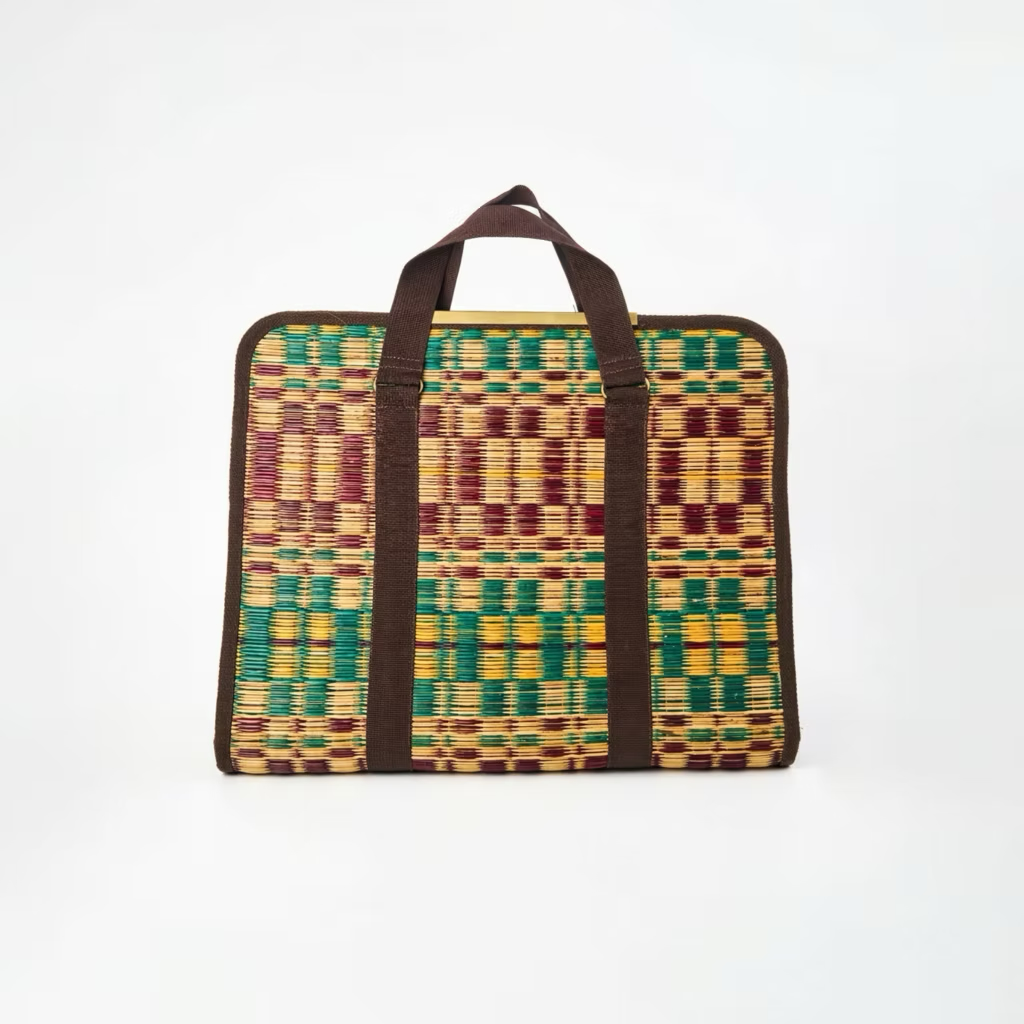
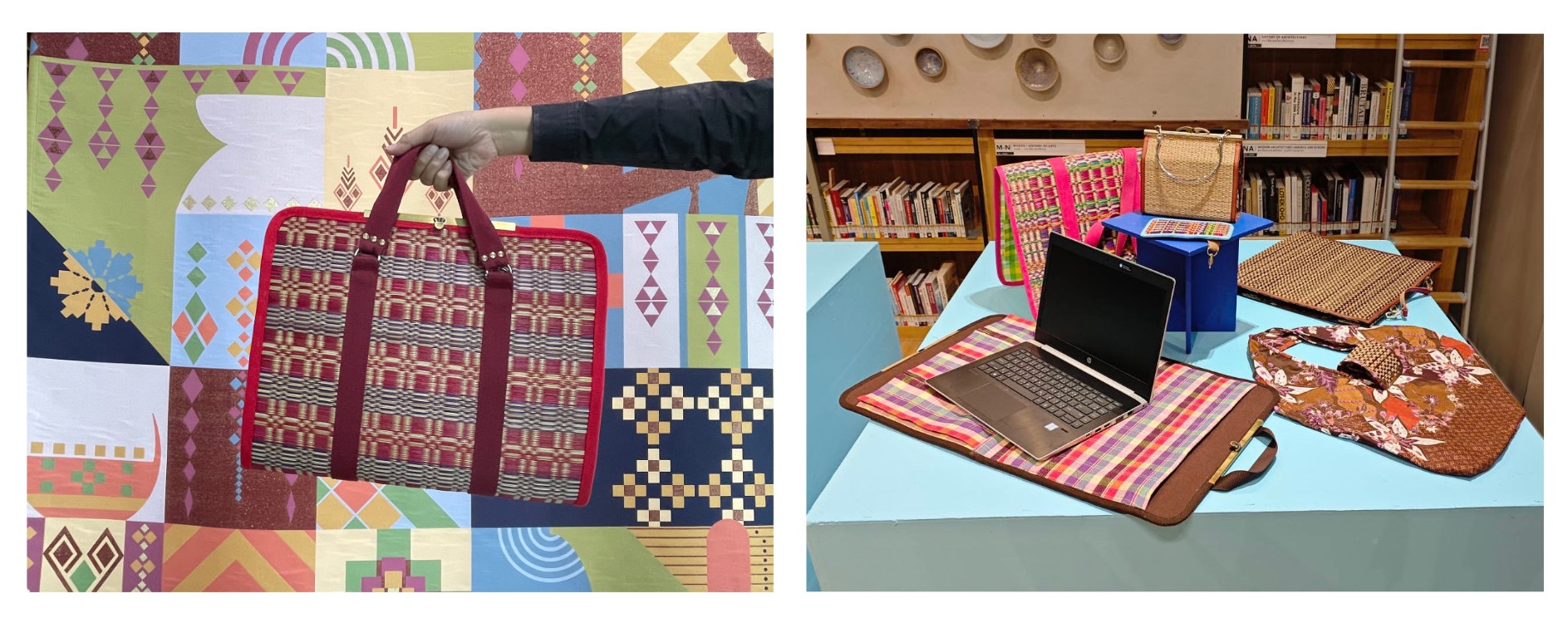
Building on the community’s traditional sedge (*Jak-Kok*) weaving skills, this laptop bag unfolds into a handy mobile workspace. The design blends local craftsmanship with daily practical needs, turning a classic woven mat into a versatile, stylish accessory for modern professionals. More information here. The Sanko Laptop Bag was created by Rungthiwa Wothong, Kritsana Wothong and Wannisa Wothong. For inquiries, contact them on Facebook at @rungmaika (facebook.com/rungmaika).”
Khumkhik | Ubon
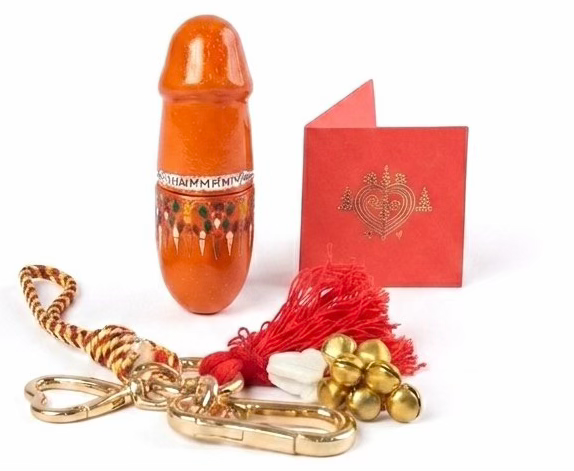
Khumkhik is a lip balm that combines Thai muetelu (faith in auspicious objects) with a cheeky sense of Thai humor. It comes in packaging shaped like a plad khik, a talisman that many people associate with charm, kindness, and attracting affection.
The concept adds memorability and a playful, distinctly Thai character to the product, and it has potential as both a souvenir and a lifestyle product for the muetelu trend. It is offered as an Original Set (THB 1,990) or a Custom Set (THB 2,500). More information here. By Sujinan Chaikaeo and Chothip Kolalasut.
Kan Krao Wellness | Surin
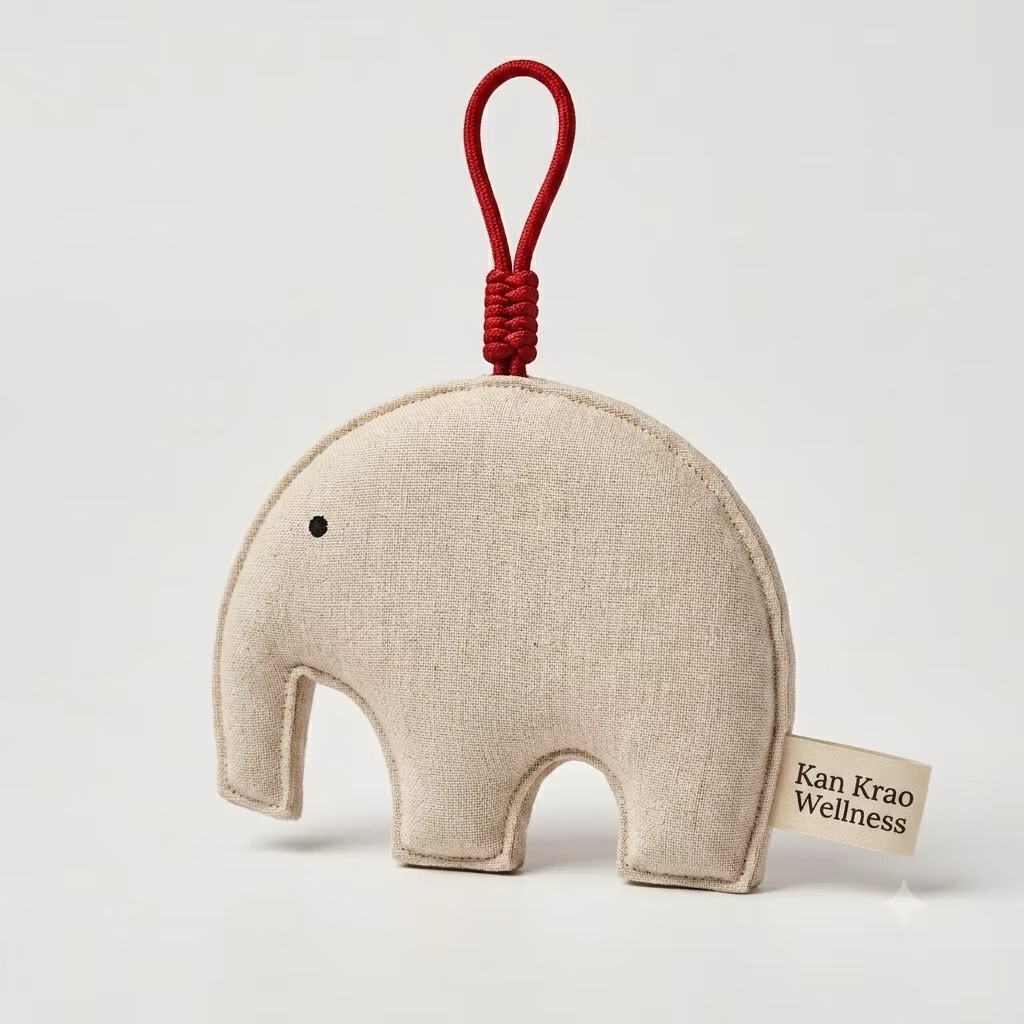
Kan Krao Wellness makes scented sachets in nine unique fragrances, each inspired by Surin’s landmarks, traditions, and local life.
Scent is a powerful way to reconnect with your favorite places, people, and memories.
Whether they bring back memories of golden rice fields, silk routes, stone temples, or the Elephant Festival, these sachets bring Surin straight to you. More information here. Kan Krao Wellness was founded by Phawida Prasitthime, who has expanded the business into a brand of health and beauty products. For inquiries, contact her at phung_kdc@hotmail.com.
Saren (Surin)
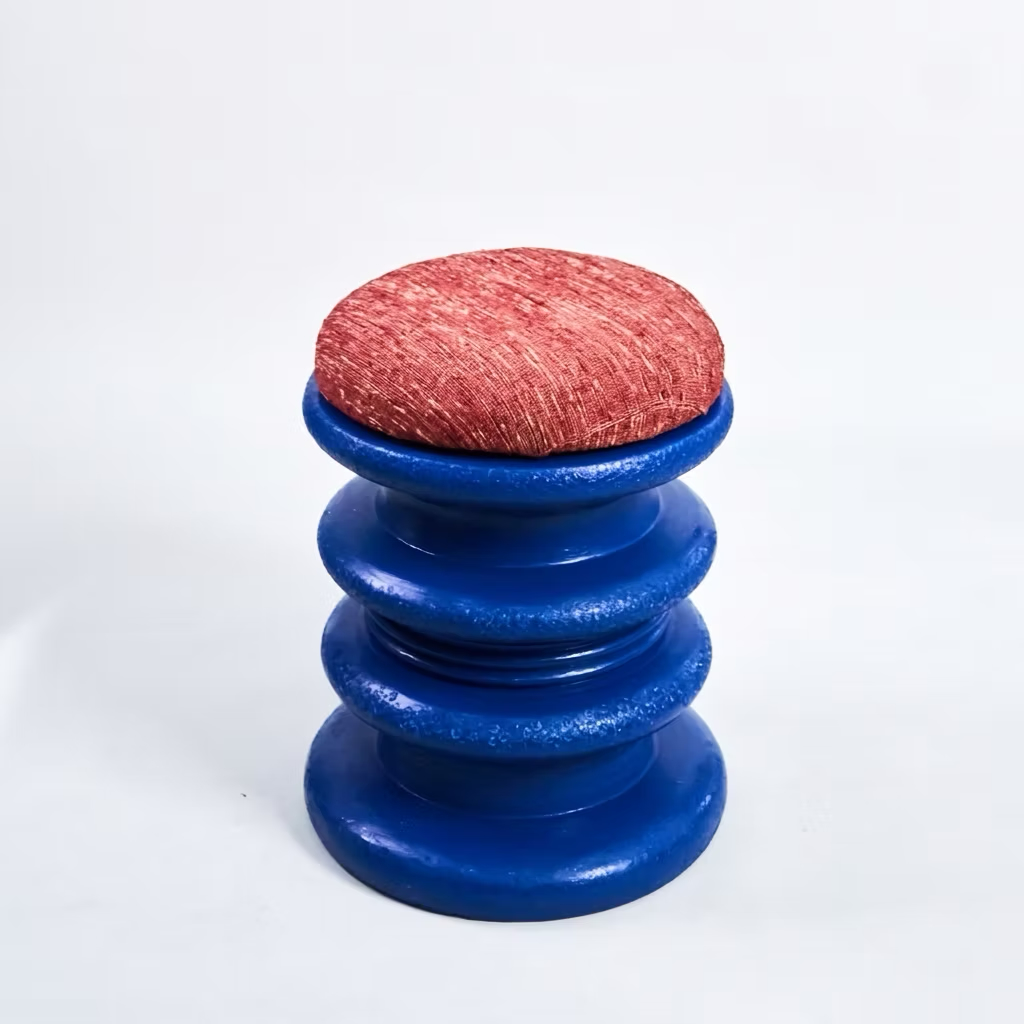
Crafted from rice farming by-products, this material transforms agricultural waste into sturdy, beautifully textured fibers. It’s ideal for high-impact interior pieces like custom furniture upholstery and wall panels.
By turning farm leftovers into high-end design, the team offers eco-friendly projects a unique blend of style, durability, and rich local story. More information here.
Saren was developed by Chantaravipha Kaewnari and Rattanareekha Atcharieyapitaks. For inquiries, contact them at aomsinmeeprom@gmail.com.
SUNISA (Surin)
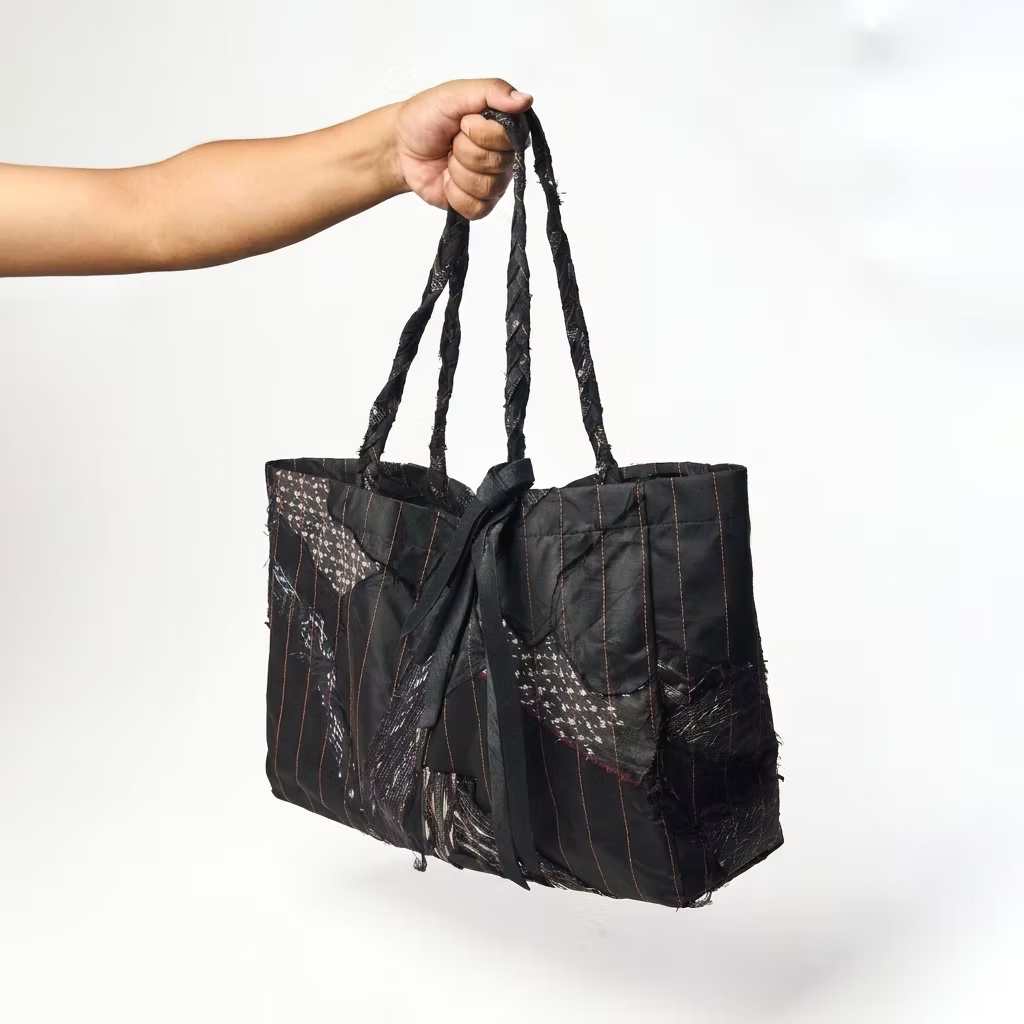
These handcrafted bags breathe new life into Thai fabric scraps through thoughtful redesign, turning textile offcuts into striking statement pieces. The intricate patchwork honors the art and depth of local textiles with an avant garde, practical allure. More information here. SUNISA was created by Sunisa Phrombut, owner of the silk weaving business and handicraft producer Rujjira Silk in Ban Rae Subdistrict, Khwao Sinarin District, Surin. For inquiries, contact her at sunlsa17252121@gmail.com.
CHOBMAI Weave Pixel | Surin
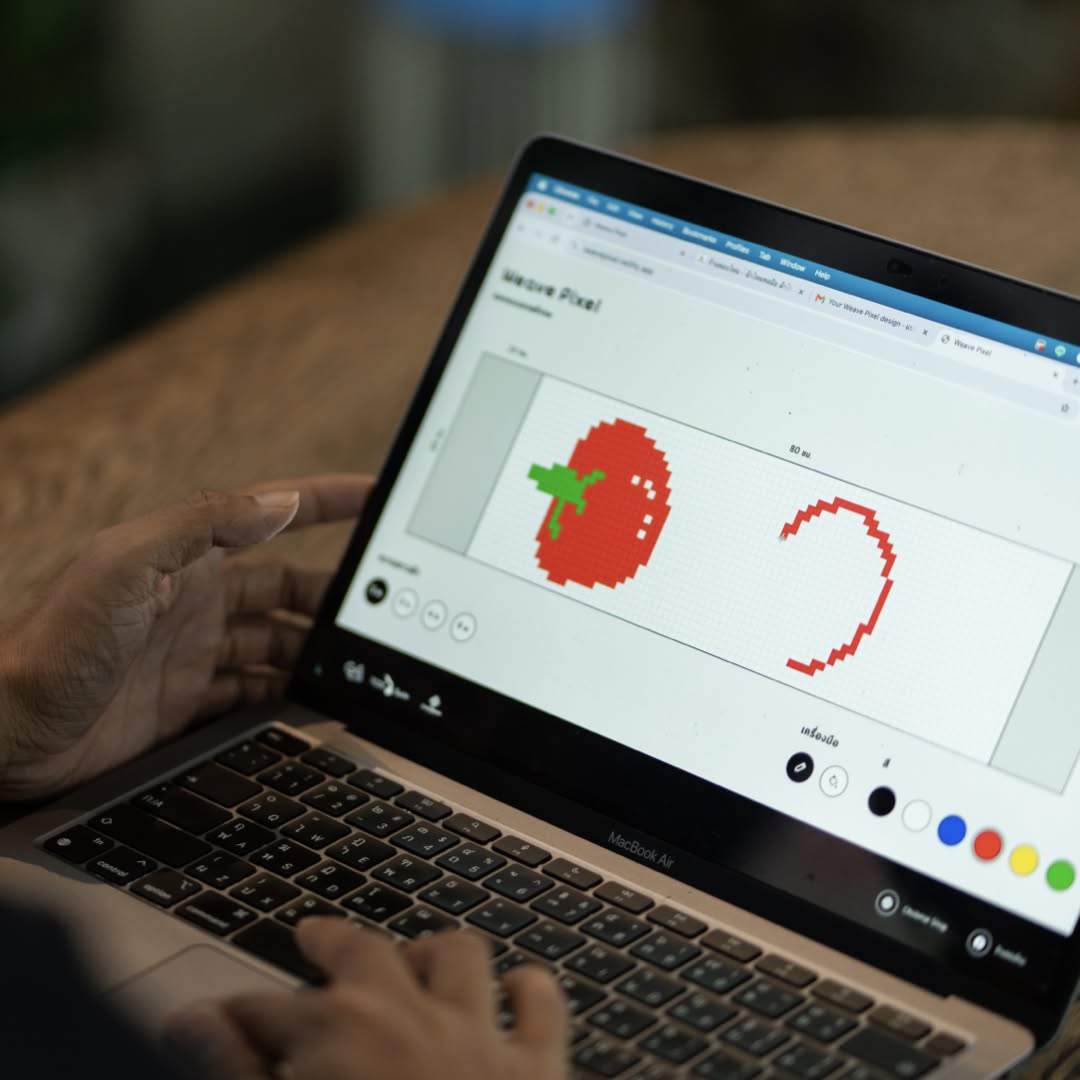
Surin has a strong silk heritage, from weaving knowledge and artisan networks to patterns passed down over generations. But much of Thai textile production is still built around weaving large bolts of cloth for tailoring or selling by the length, while today’s creators and brands often want something different: a small amount of fabric for a bag, shoes, or decor, a small test collection, or a pattern unique to their brand. Many hesitate to start because they do not know the minimum order, the price, or how well their idea will translate into actual weaving.
CHOBMAI, which draws on a network of artisans in Surin, responded by redesigning how people access weaving. WEAVE PIXEL lets users start from a graphic, image, or pattern, and converts it into a weaving plan that artisans can actually produce, with estimates of size, quantity, and cost before an order is placed. Instead of choosing from existing fabric, users begin with the question, “What kind of fabric do I want to create?”
CHOBMAI Weave Pixel | Surin (…continued)
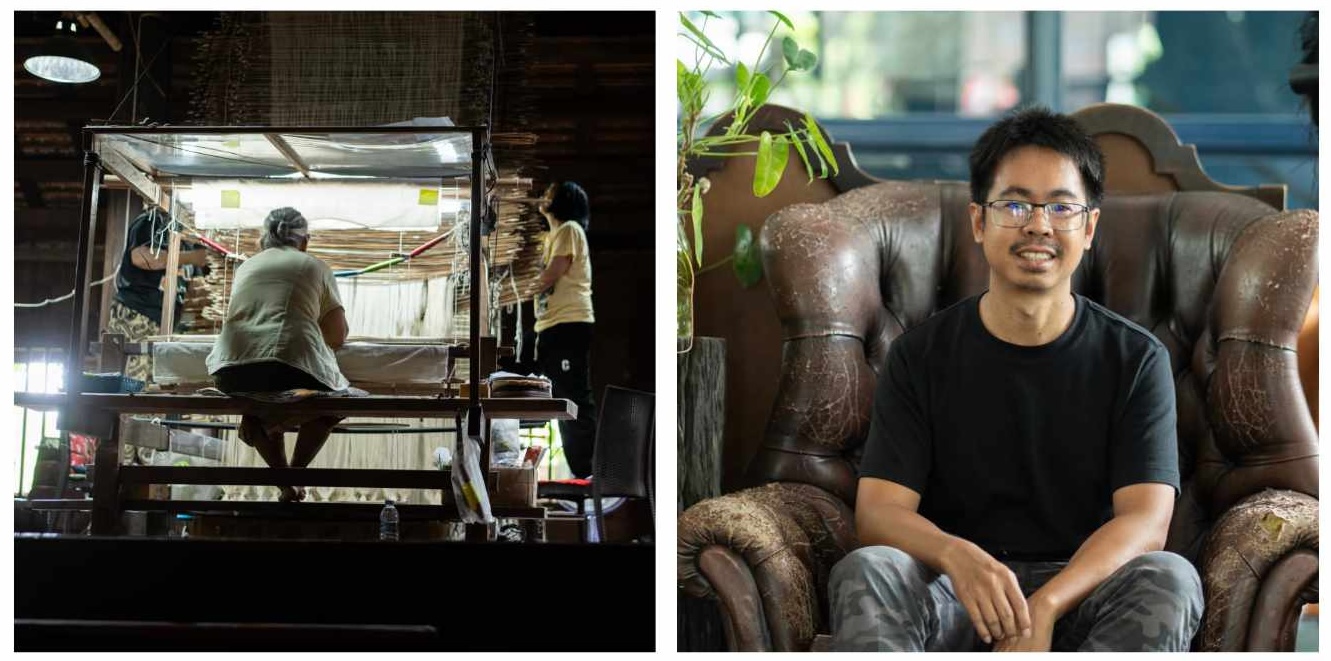
Creators do not need to know the whole mudmee (ikat) process from the start, weavers do not need to interpret graphic files through trial and error, and entrepreneurs can assess costs before investing. The result is a shift from a city that produces silk to a city that offers textile design and production services, and from selling fabric to selling the ability to create it. More information here.
To learn more about WEAVE PIXEL and custom mudmee silk design and weaving, contact CHOBMAI:
Pannachet Puangnak (chobmai.com@gmail.com)
If your team or organization is interested in similar community initiatives, FabCafe Bangkok is always happy to connect and collaborate on fresh creative ideas.
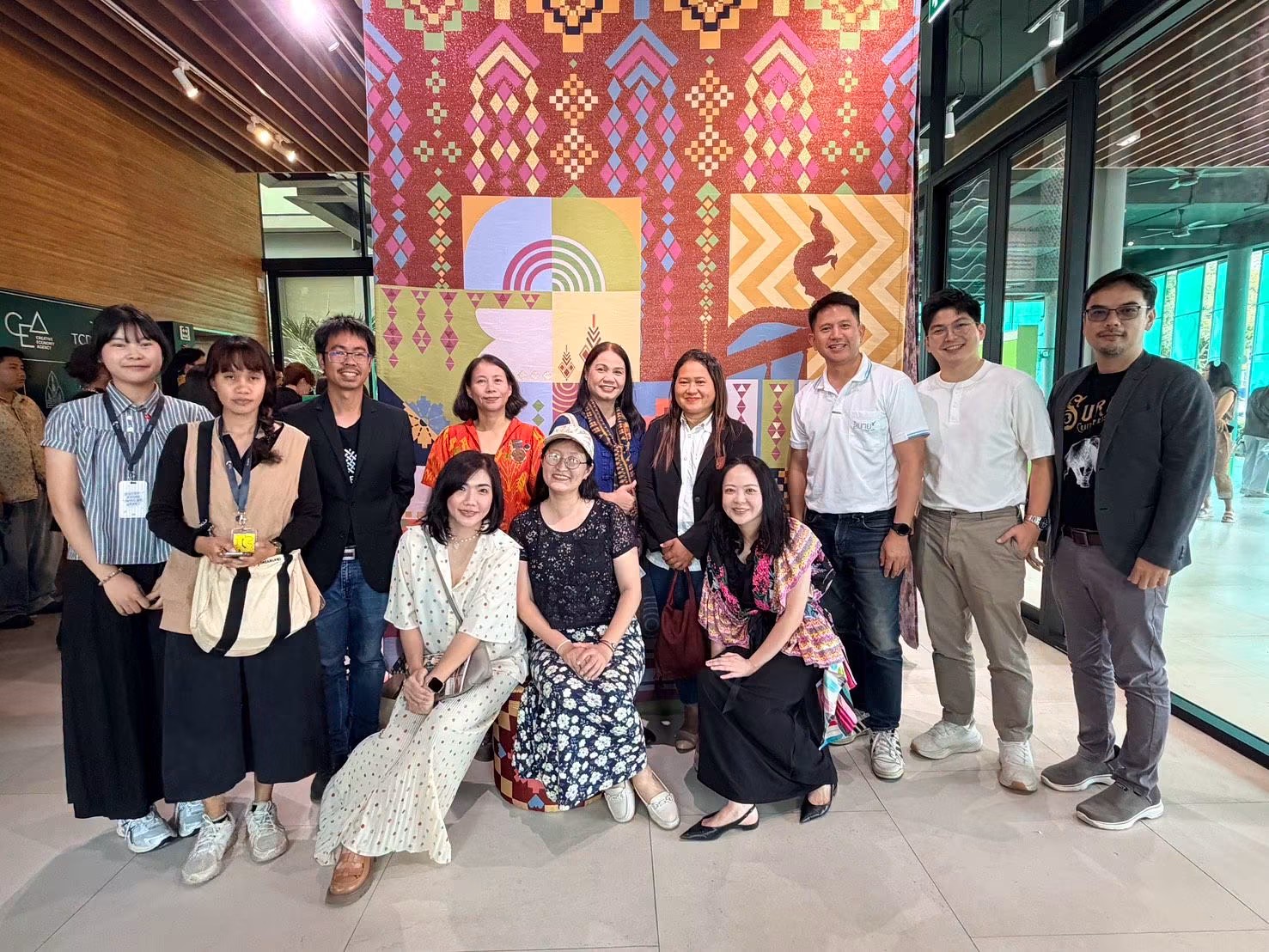
Sincere gratitude is extended to Thailand’s Creative Economy Agency (CEA), Thailand Creative Design Center (TCDC), City municipality of Surin, Sisaket and Ubon Ratchathani, local artisans, creators, and community partners whose vision and dedication made this initiative possible. Congratulations to FabCafe Bangkok on a remarkably successful and inspiring collaboration.



-
FabCafe Global Editorial Team
This articles is edited by FabCafe Global.
Please feel free to share your thoughts and opinions on this article with us.
→ Contact usThis articles is edited by FabCafe Global.
Please feel free to share your thoughts and opinions on this article with us.
→ Contact us -


See Branch List
See Keyword List
- #Craft
- #crQlr
- #HK Event Report
- #COUNTER_POINT
- #Prototyping
- #Design thinking workshop
- #SDG 14 Life under water
- #Miro
- #Creator Collaboration
- #Bangkok Design Week 2020
- #FabCafe Bangkok
- #Fab Meetup Hong Kong
- #FAB Ideation
- #Future City
- #COVID-19
- #Event Report
- #Sustainable
- #Business
- #Social Welfare
- #Fab Meetup
- #Exhibition
- #Art
- #SDGs
- #Haptic Design
- #Material
- #Drawing
- #Wood
- #Hackathon
- #AI
- #Agriculture
- #YouFab
- #Workshop
- #Meetup
- #AWRD
- #Bio
- #Global Goals Jam
- #XR (VR/AR/MR)
- #Talk Event
- #Ideathon
- #Embroidery
- #Material Meetup
- #Innovation
- #Architecture
- #Interview
- #Education
- #3D
- #Business Projects
- #Community