


Event report
April 29, 2026
FabCafe Global Editorial Team
From Fujiyoshida to Taipei
When people think of Fujiyoshida, the most iconic image that comes to mind is a street with the dramatic silhouette of Mount Fuji rising in the background. This small city at the foot of the mountain is known not only for that sweeping view, but also for its long history of textile production. For years, Fujiyoshida thrived as a weaving town. But like many regional communities, it has also faced the effects of industrial decline, an aging population, population loss, and a gradual decline in local vitality.
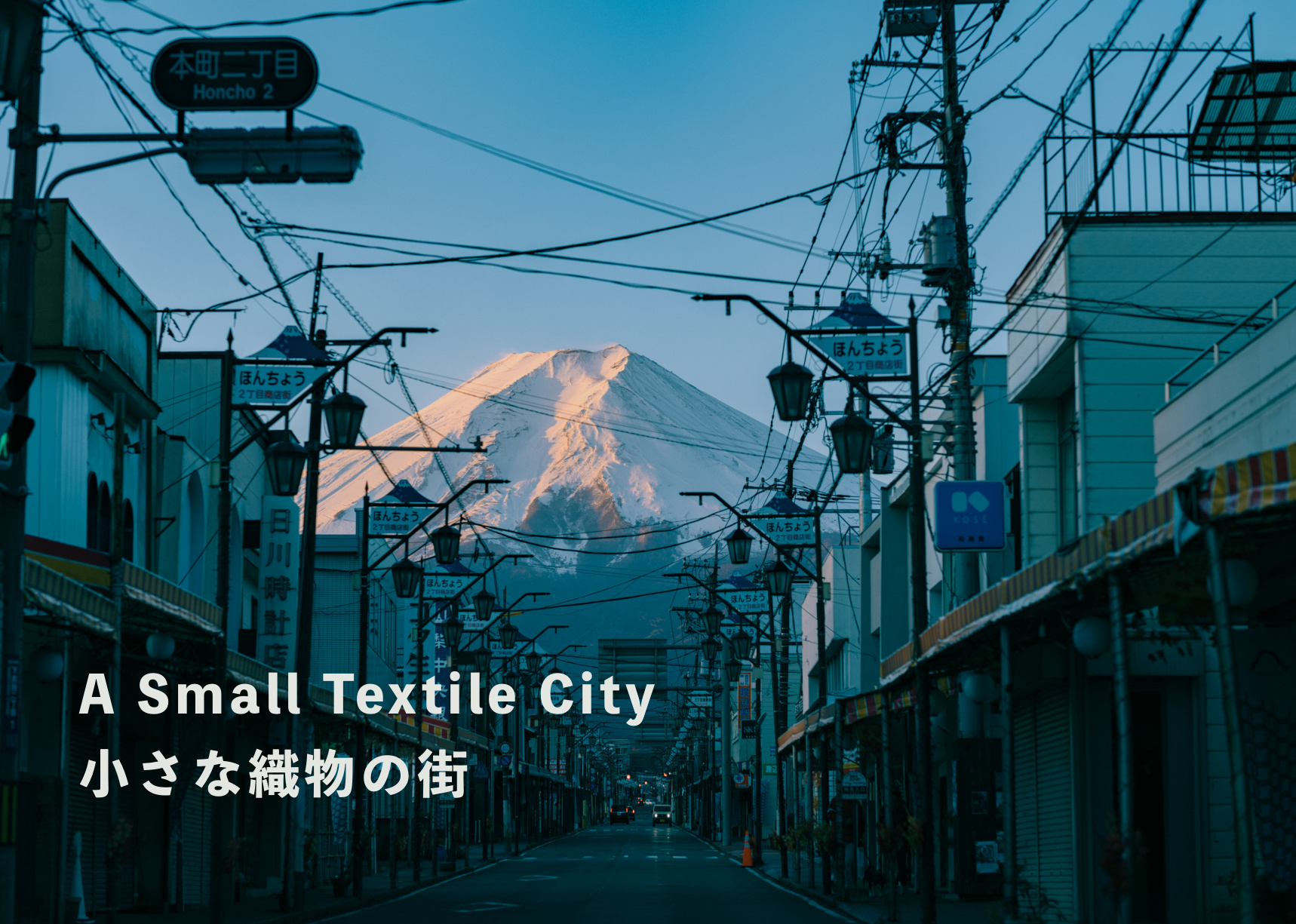
Fujiyoshida, a textile town at the foot of Mount Fuji, in one of its most iconic views. (Credit: DOSO Inc.)
It was within this context that KYODO PROJECT took shape in Fujiyoshida, Yamanashi Prefecture. Led by Tsuyoshi Yagi, who heads DOSO Inc. and FabCafe Fuji, the project draws on the city’s textile heritage to bring local weaving mills together with creators from Japan and abroad. As Yagi put it, what he wants to do is “create an environment where culture can develop naturally.” In that sense, KYODO PROJECT is not only about producing new works. It is also about creating new relationships between regional industry and creative practice, while opening deeper points of connection between people and place.
In 2025, five collaborative works were produced and presented at FUJI TEXTILE WEEK 2025. The Taipei exhibition then became KYODO PROJECT’s first presentation outside Japan. Taipei was a natural first destination. Its geographic proximity to Japan, the project’s existing relationships with Taiwanese creators, and the connection between FabCafe Fuji and FabCafe Taipei through the FabCafe network all helped make this cross-city exchange possible.
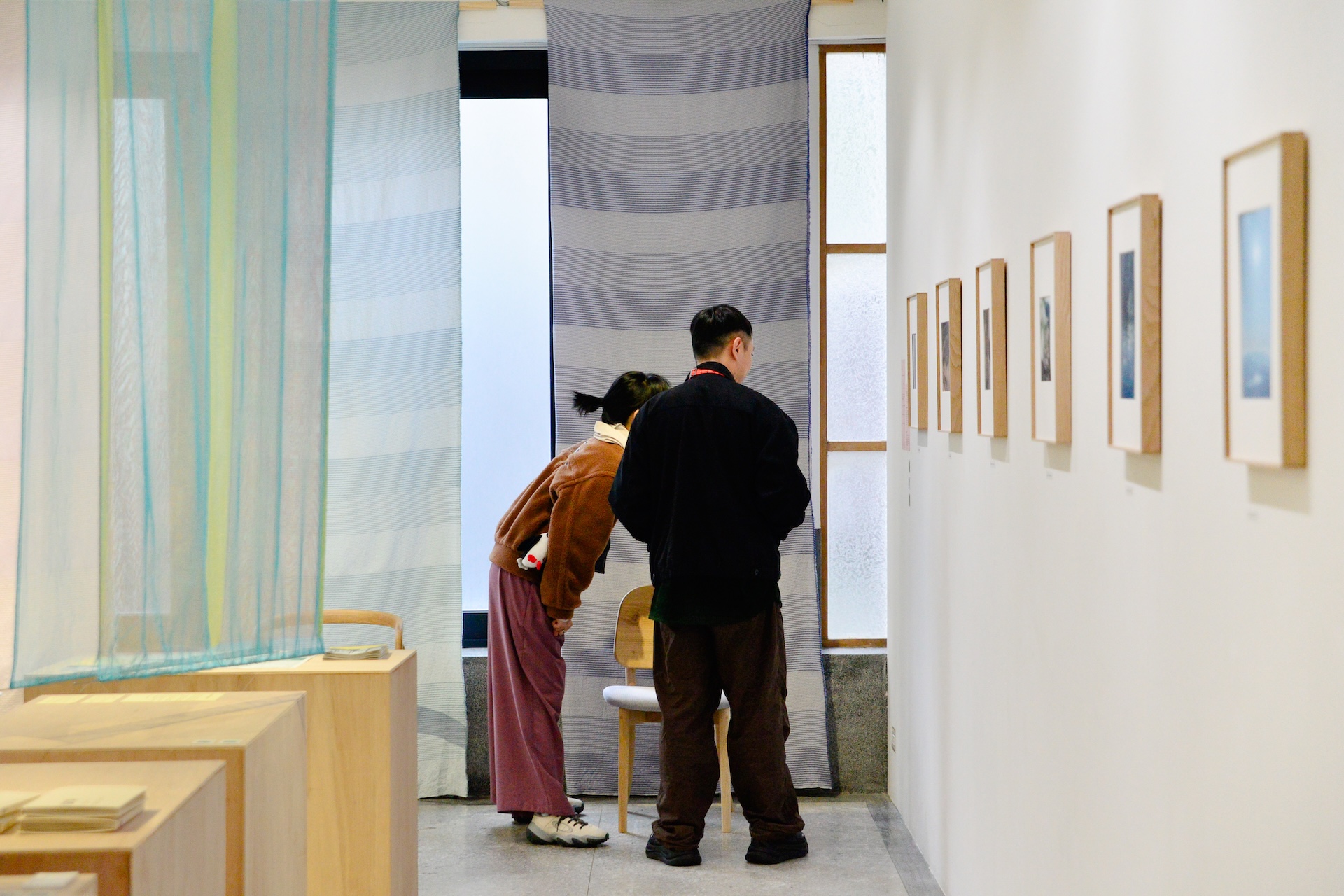
KYODO PROJECT: Textile and Collaboration Exhibition” at Pon Ding, Taipei.
The Taipei exhibition presented more than a set of finished works. It set out to communicate the collaborative process quietly taking shape in Fujiyoshida. On display were documentary photographs by photographer Shuhei Yoshida, selected works from KYODO PROJECT, and textile samples from participating weaving mills, each with its own distinct texture and character. Visitors could not only look at the works but reach out and touch the fabrics, feeling through their hands how creators and weavers had built relationships, one step at a time. Collaboration was no longer just a word on the wall and could be something visitors could sense directly.
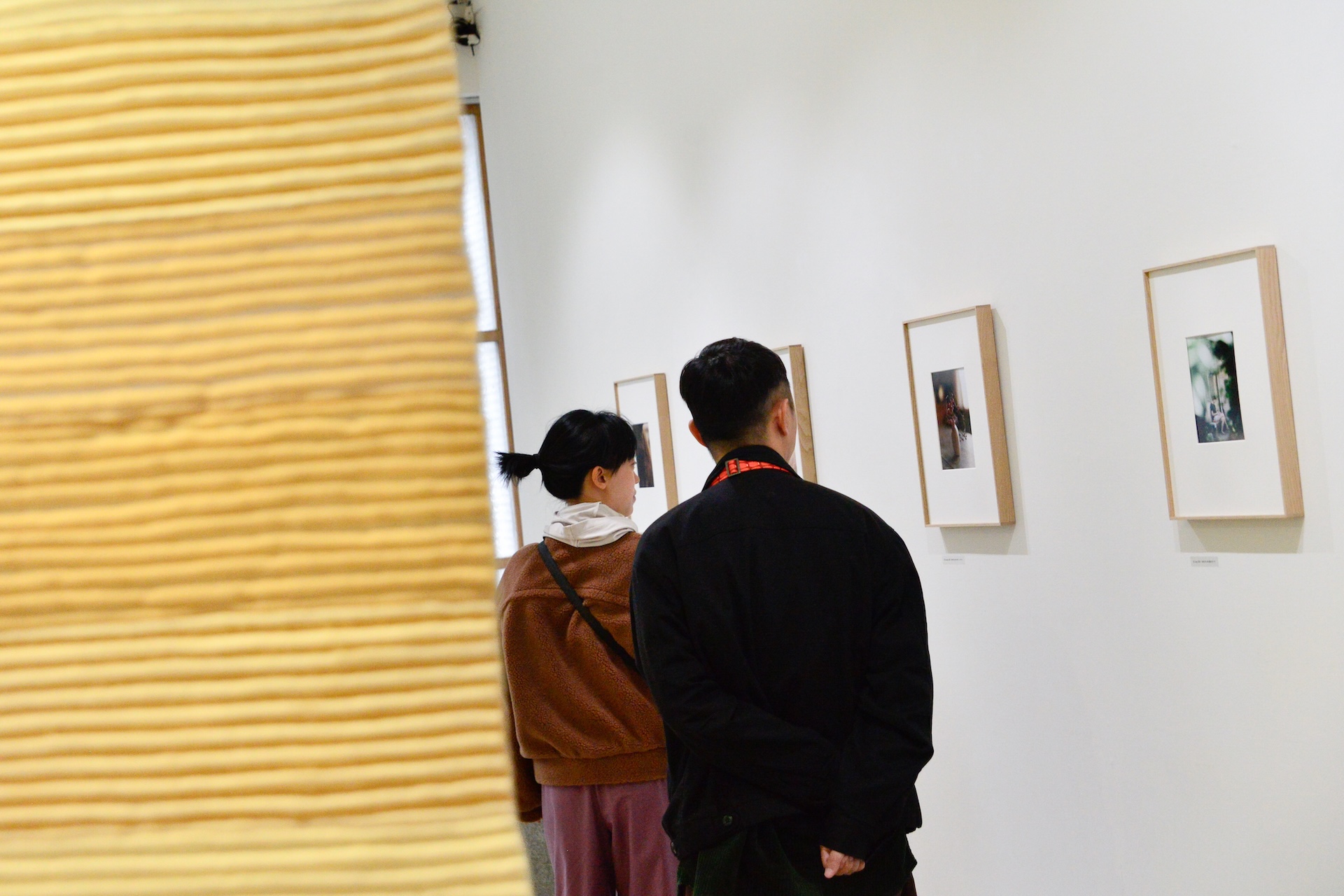
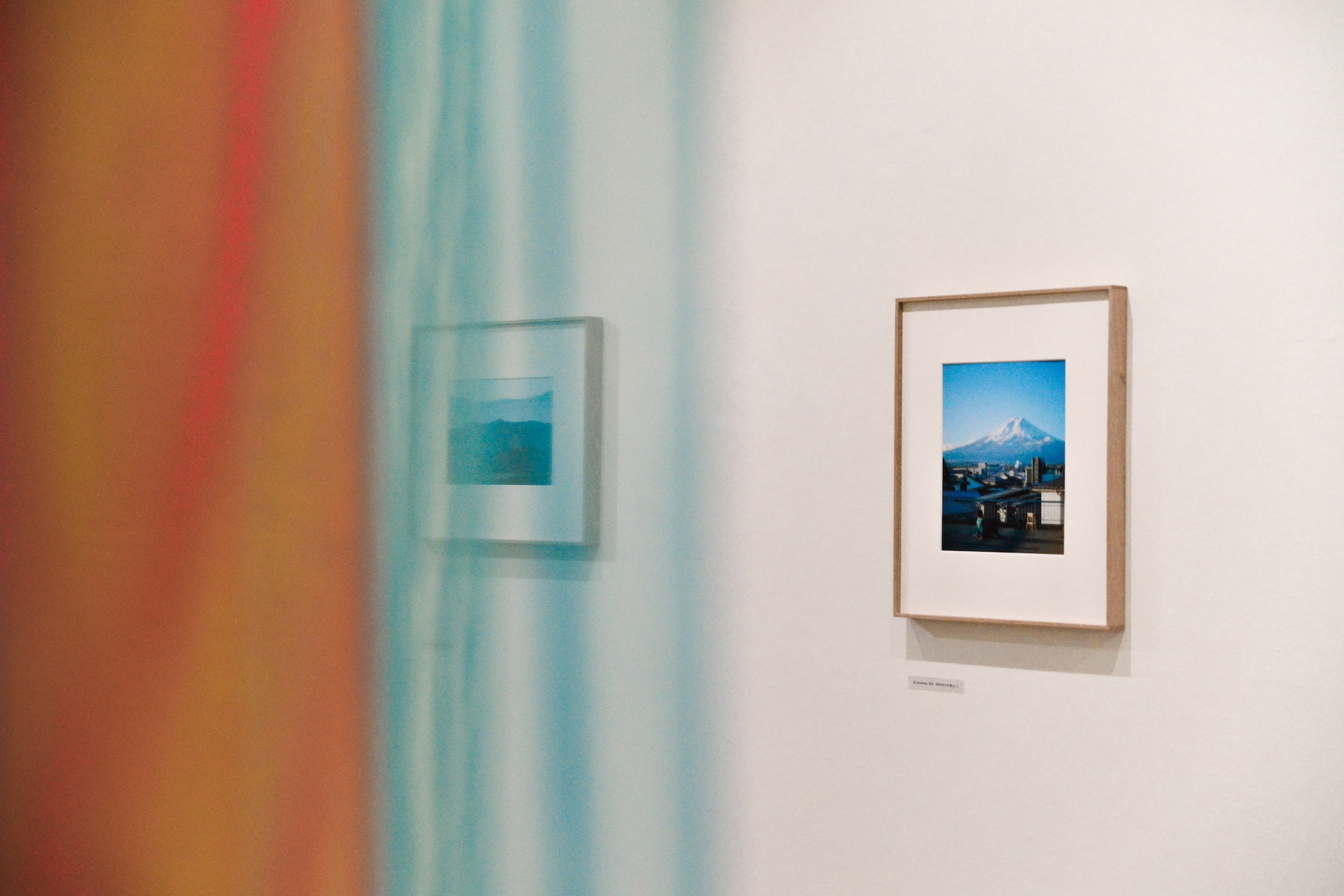
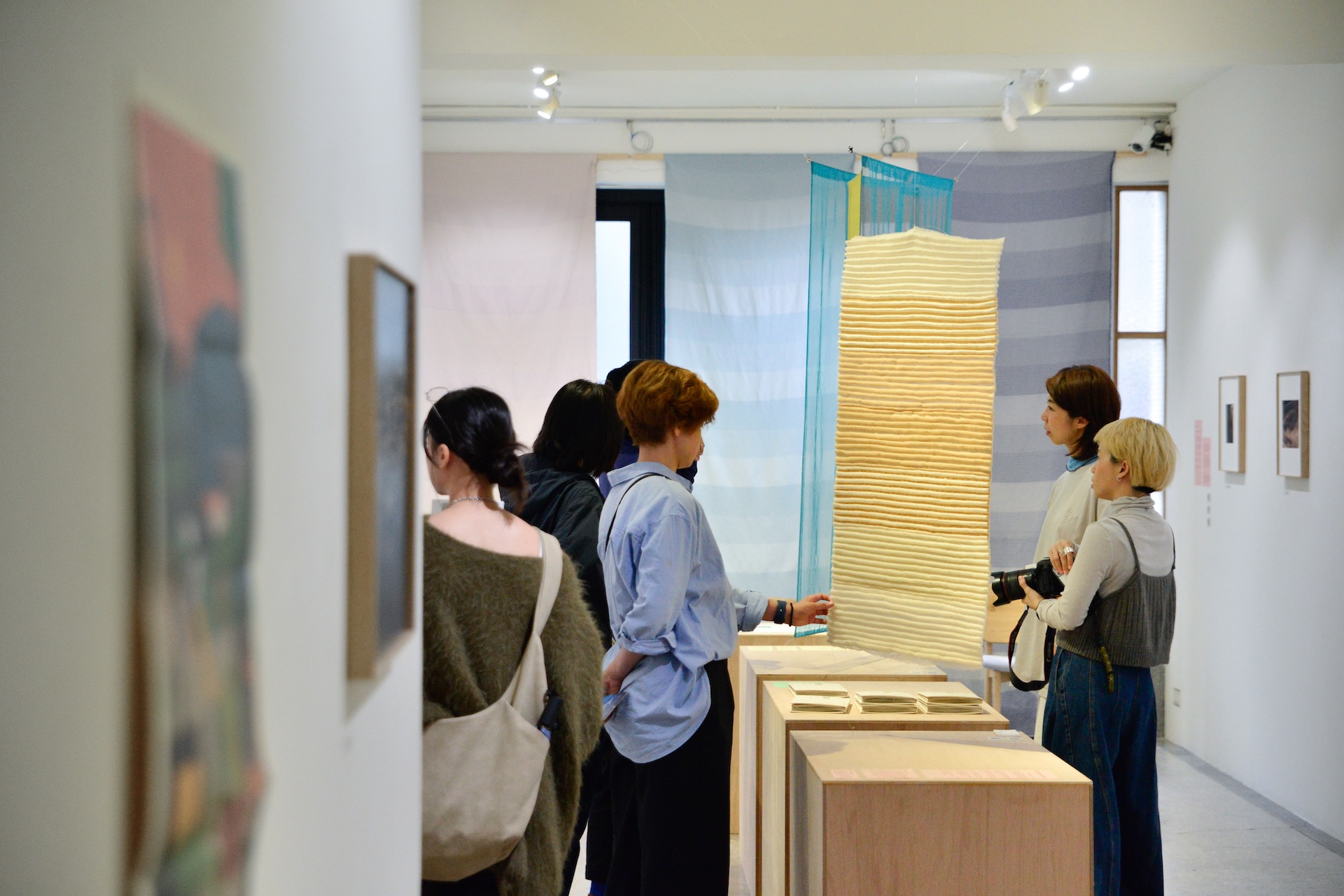
That perspective also helps explain why inviting people into the place of production can matter more than simply exhibiting finished works elsewhere. When people step into a factory, see who is making something, and understand the conditions in which it is made, their understanding of the object changes completely. What stood out in Taipei was that the exhibition drew attention not only to the finished works, but also to the people, processes and places behind them.
The same spirit continued in FabCafe Taipei’s Talk and Connect session, “Voyage of Reflection.” In conversation with FabCafe Taipei co-founder Tim Wong, Tsuyoshi Yagi reflected on how his work has expanded from SARUYA Hostel to FabCafe Fuji and FUJI TEXTILE WEEK, and how long-term, place-based practice can gradually connect a small regional city with creative communities around the world.
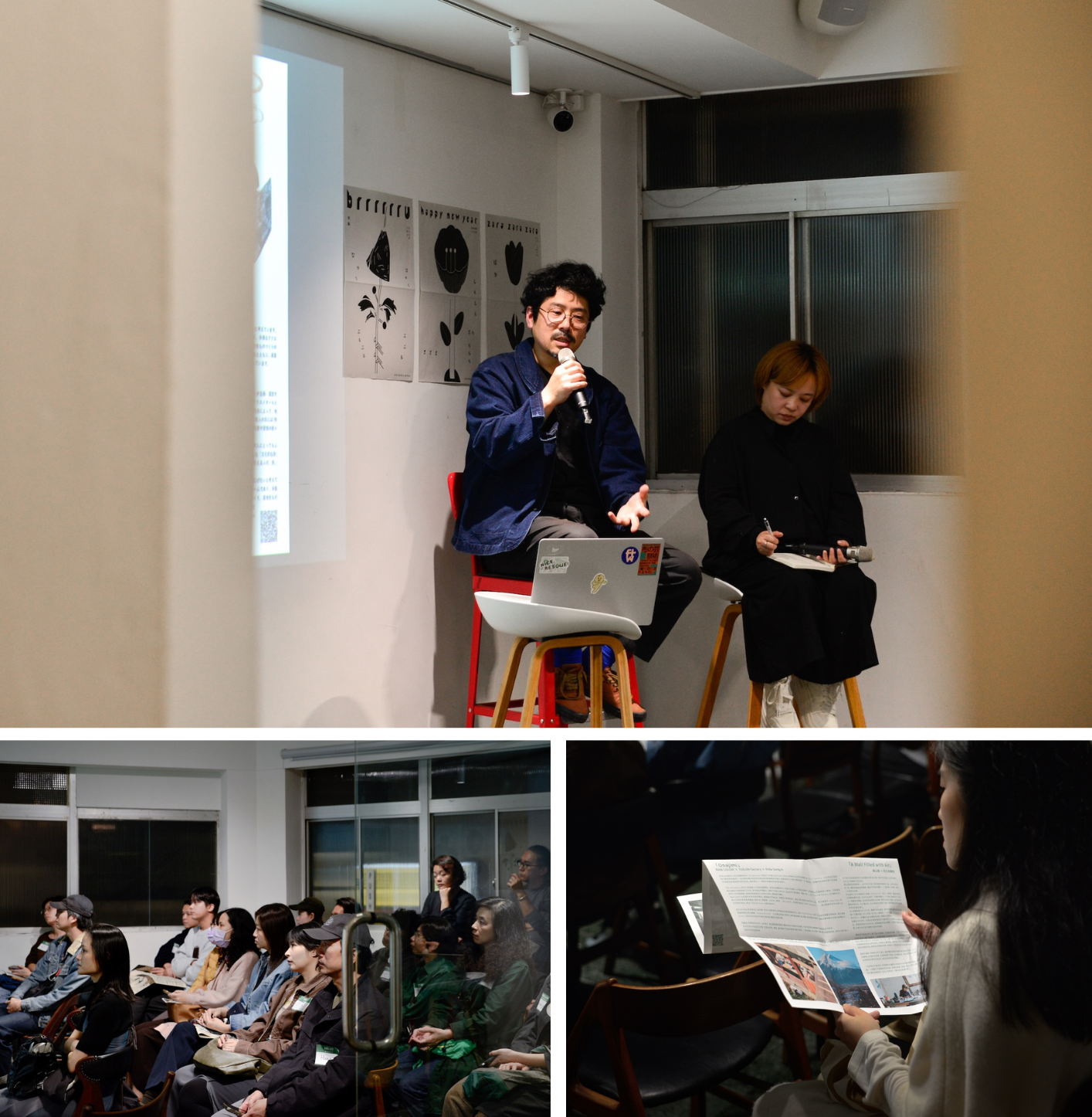
“Talk and Connect: Voyage of Reflection” at FabCafe Taipei brought together designers and creators from across disciplines for an evening of cross-field exchange.
Yagi described the cafe, the hostel and the artist residency program as entry points that each operate on a different timescale. Rather than tourism in the usual sense, they offer people a more deliberate way of moving closer to a place, experiencing its daily rhythms, and understanding the industries that have shaped it. He asked what kind of change might become possible if people came not simply to consume, but to experience life, understand local habits, and learn about the industry itself.
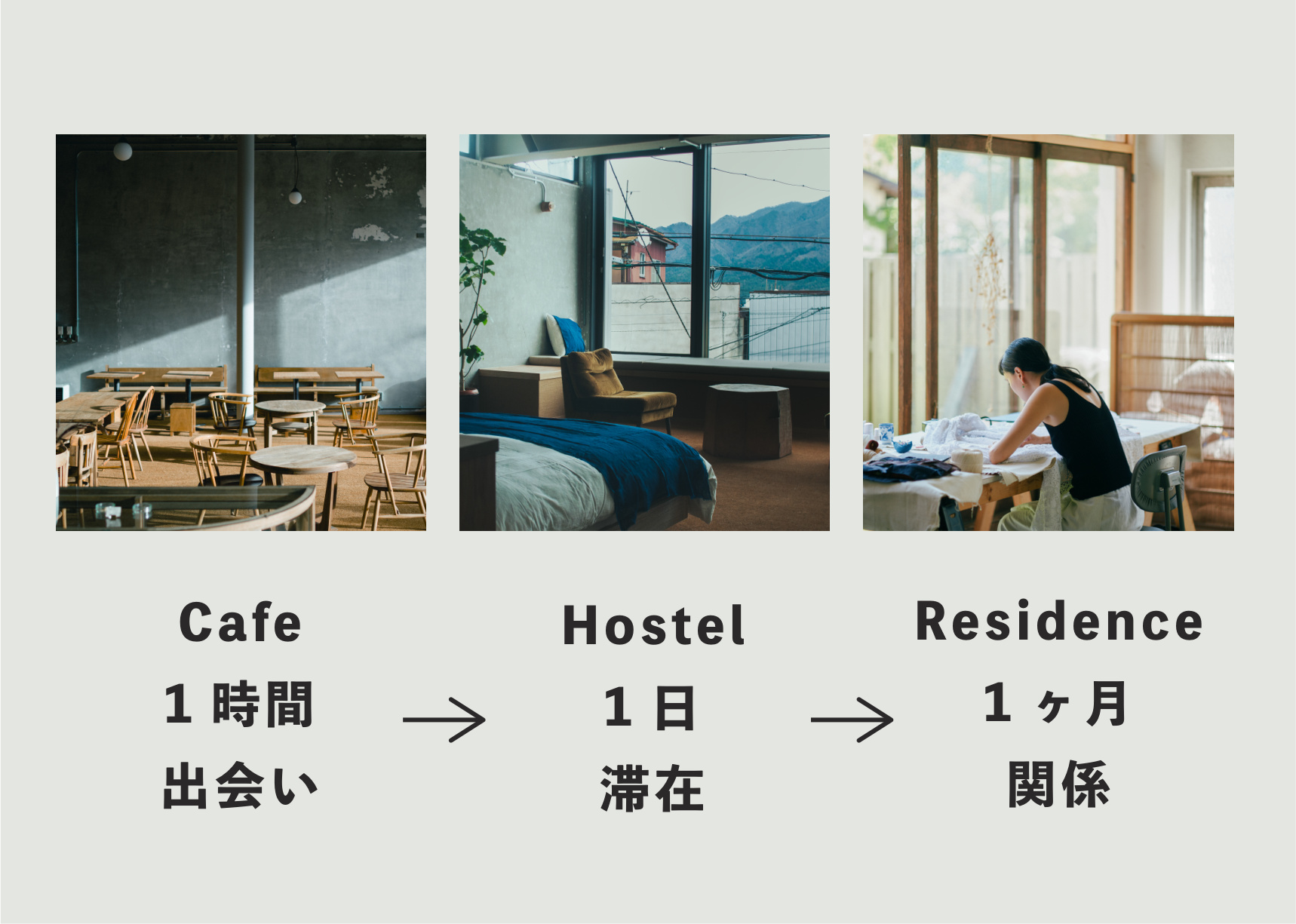
Space unfolding across timescales: from a one-hour encounter at FabCafe Fuji, to a one-day stay at Saruya Hostel, to a month-long residency through the Artist Residence program, each offering a closer look at life and culture in Fujiyoshida.
(Credit: DOSO Inc.)
The exhibition also made exchange tangible in another way. During the run of the show, the Taiwan Interior Design Association (TIDA), brought its members to visit, extending the conversation beyond the gallery and into Taiwan’s broader design community. In his exhibition notes, TIDA President Alan Huang wrote that “in this exhibition, what you see is collaboration itself.” The line captured what was most affecting about the show. It was not the finished works alone, but the process through which designers and industry built trust and made things together.
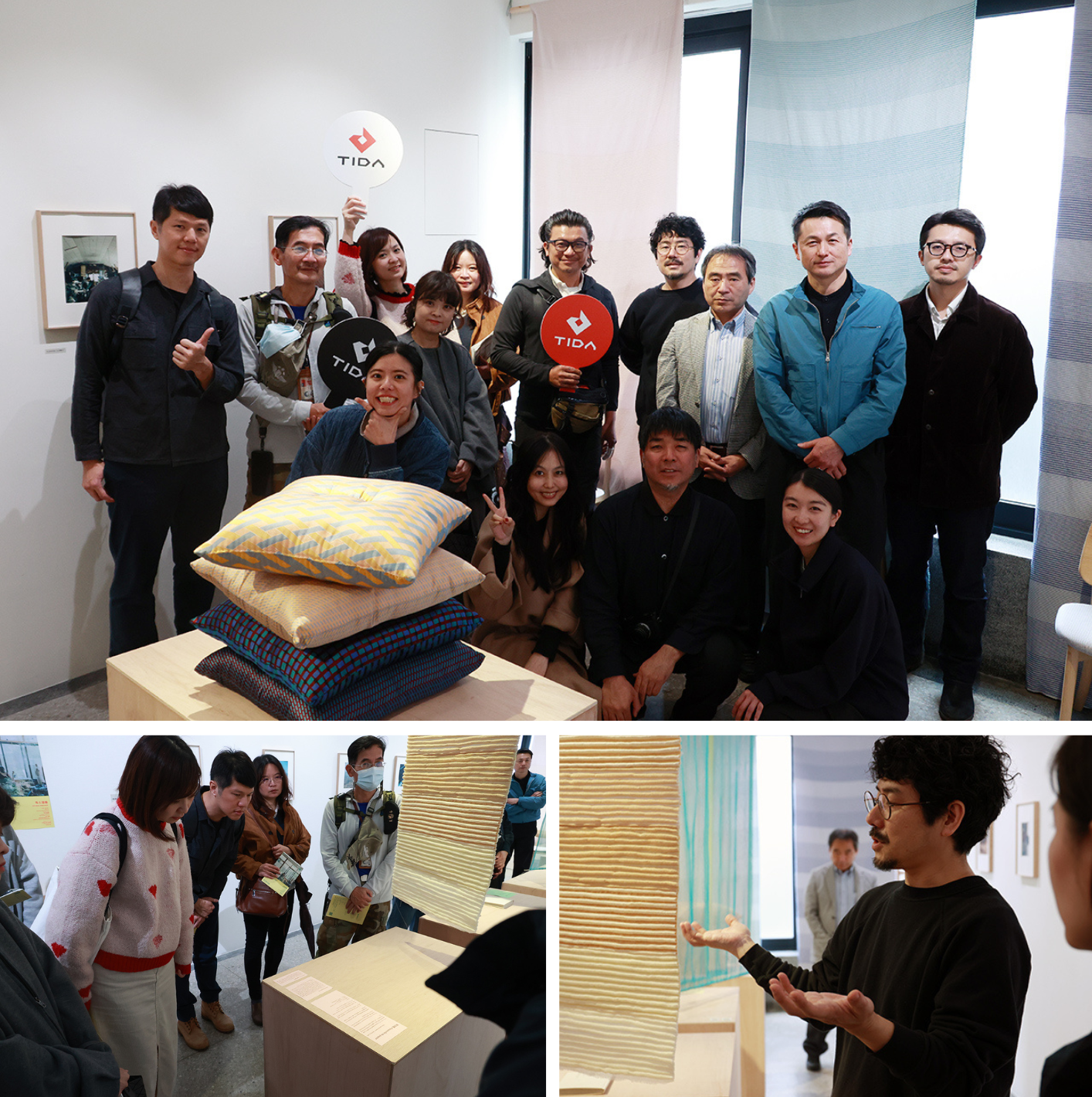
Members of the Taiwan Interior Design Association (TIDA) visited the exhibition and exchanged ideas with Tsuyoshi Yagi and weavers from Fujiyoshida, including Funakubo Orimono, TENJIN-factory and Watanabe Textile. (Credit: TIDA)
That sense of exchange also took shape through the people present on site. Taiwanese fashion designer and KYODO PROJECT participant Shichu Chi joined an Artist on Site session during the exhibition, sharing her experience directly with visitors. Her presence made it clear that KYODO PROJECT’s time in Taipei was not simply Fujiyoshida presenting itself abroad. It reflected an exchange already taking shape in both directions, linking creators, places of production, techniques and cities.
-
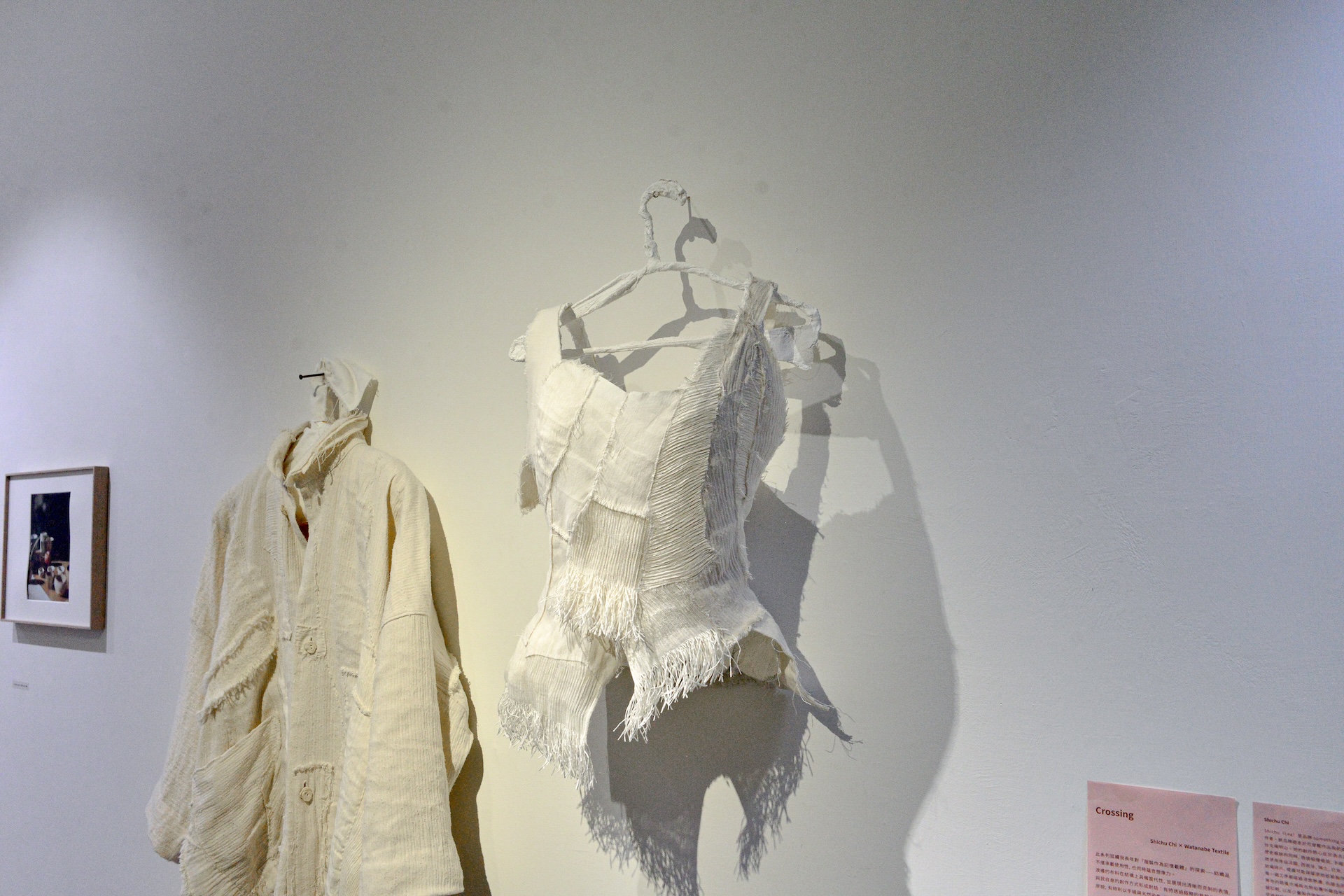
Works by artist Shichu Chi on view at the exhibition.
-
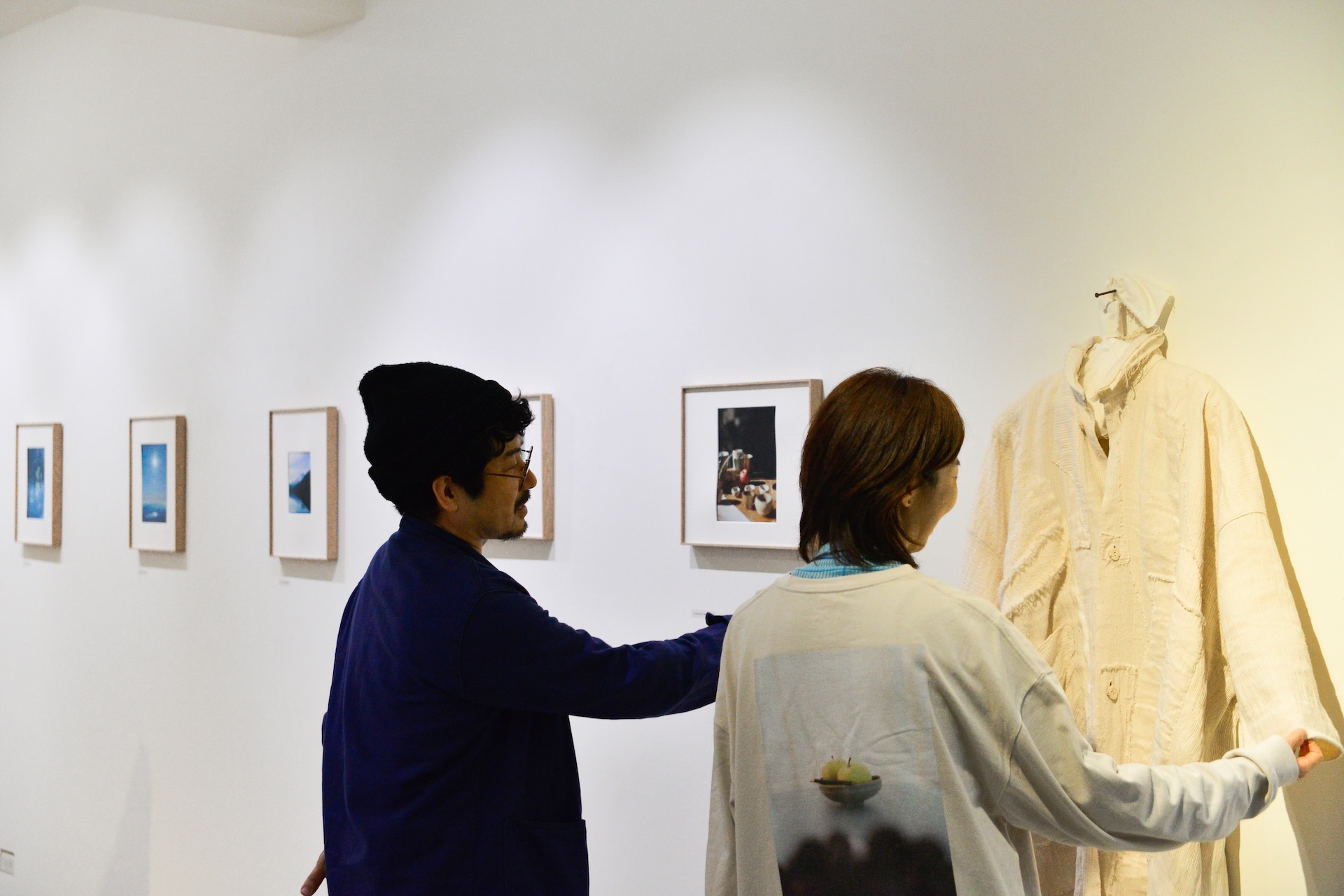
How an exhibition became a new connection
If KYODO PROJECT in Fujiyoshida shows one model of local collaboration rooted in traditional industry, its presentation in Taipei offered the first chance to read that model in the context of another city. For audiences and creators in Taiwan, what appeared here was not just the story of a distant textile town in Japan. It was a practice worth returning to: How can a place preserve its history and craft while building new relationships with contemporary creative work?
That is also where FabCafe Taipei’s role in this collaboration became meaningful. It created a setting in which this question could be shared, discussed and extended, allowing people interested in materials, craft, local culture and international co-creation to begin a longer conversation through a single exhibition. For us, FabCafe is not only a place to present creativity. It is also a platform that connects creators, local industries and cities, making new forms of collaboration possible.
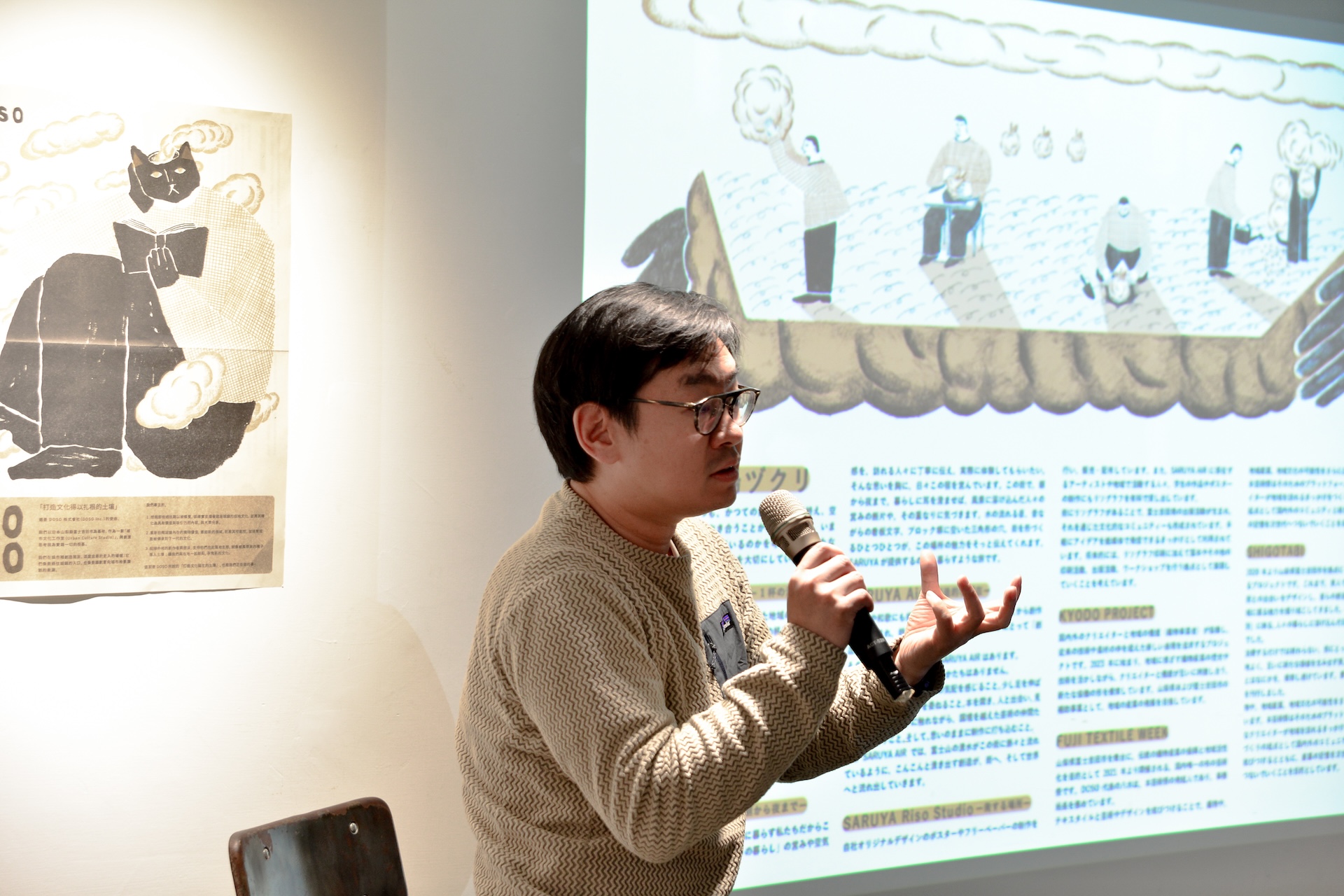
FabCafe Taipei founder Tim Wong in conversation at “Talk and Connect: Voyage of Reflection.”
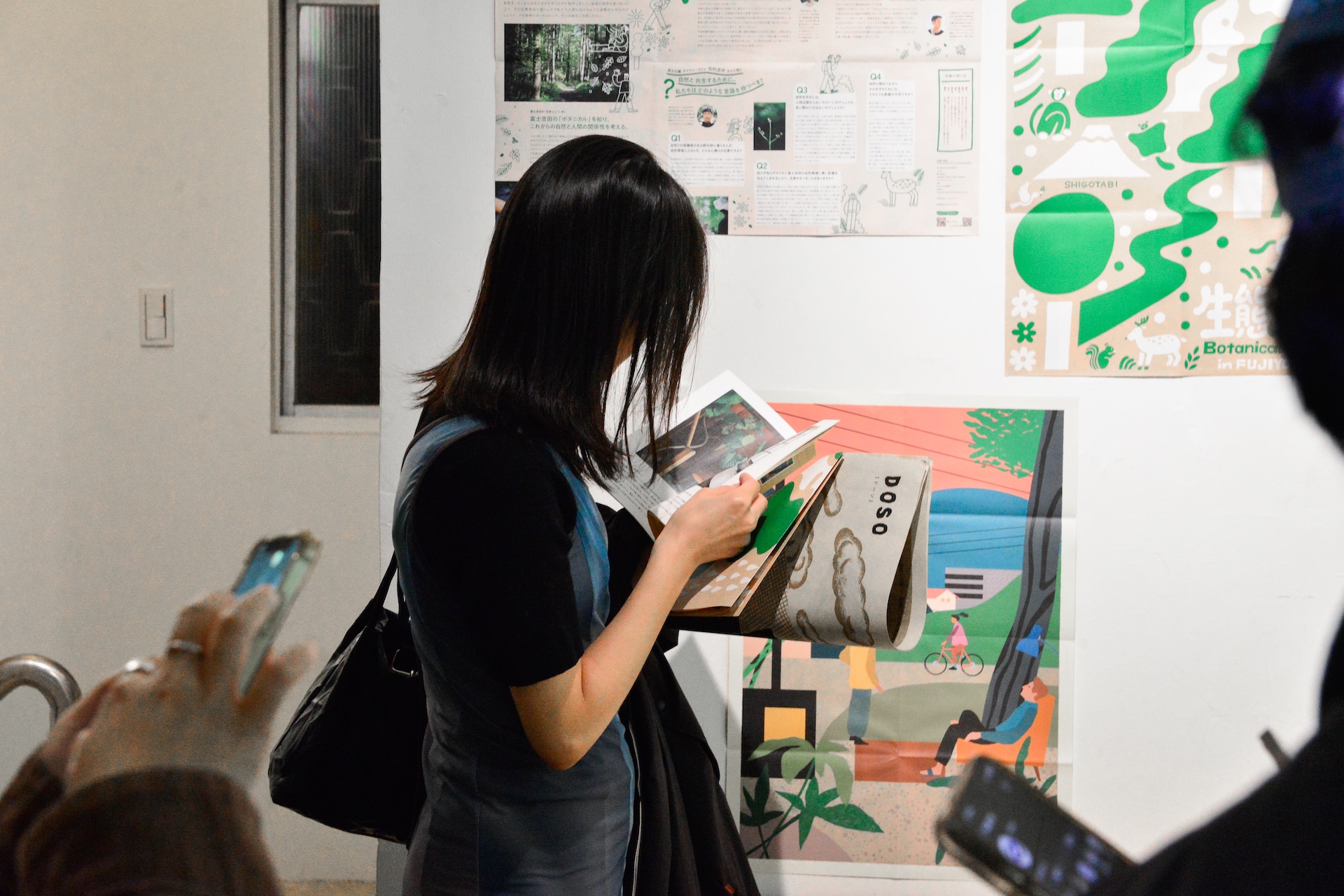
Attendees look through a zine introducing Fujiyoshida.
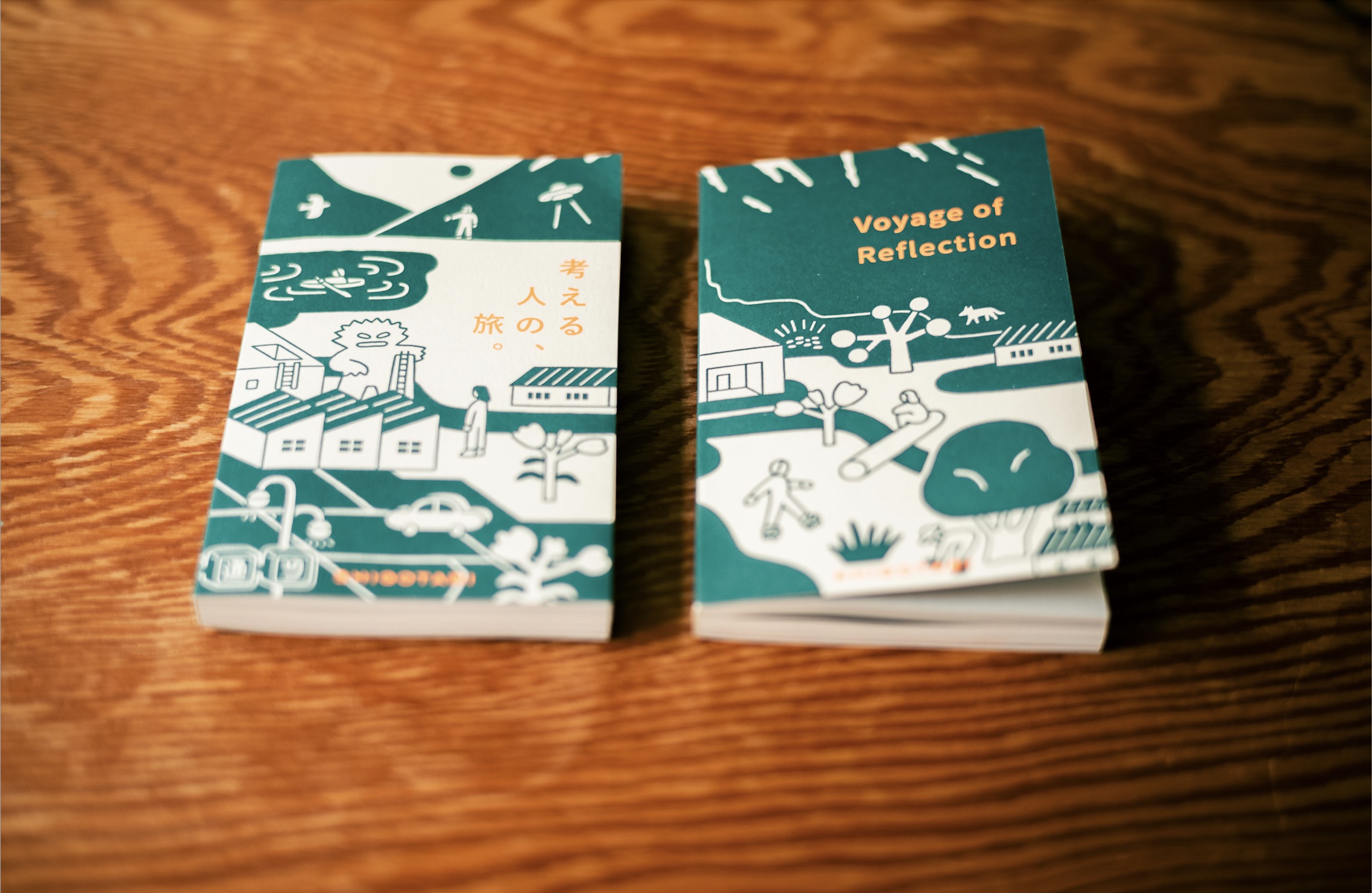
Alongside the exhibition, KYODO PROJECT introduced Voyage of Reflection, a bilingual book that follows six creative practitioners as they travel through Fujiyoshida and reflect on travel, place and inspiration.
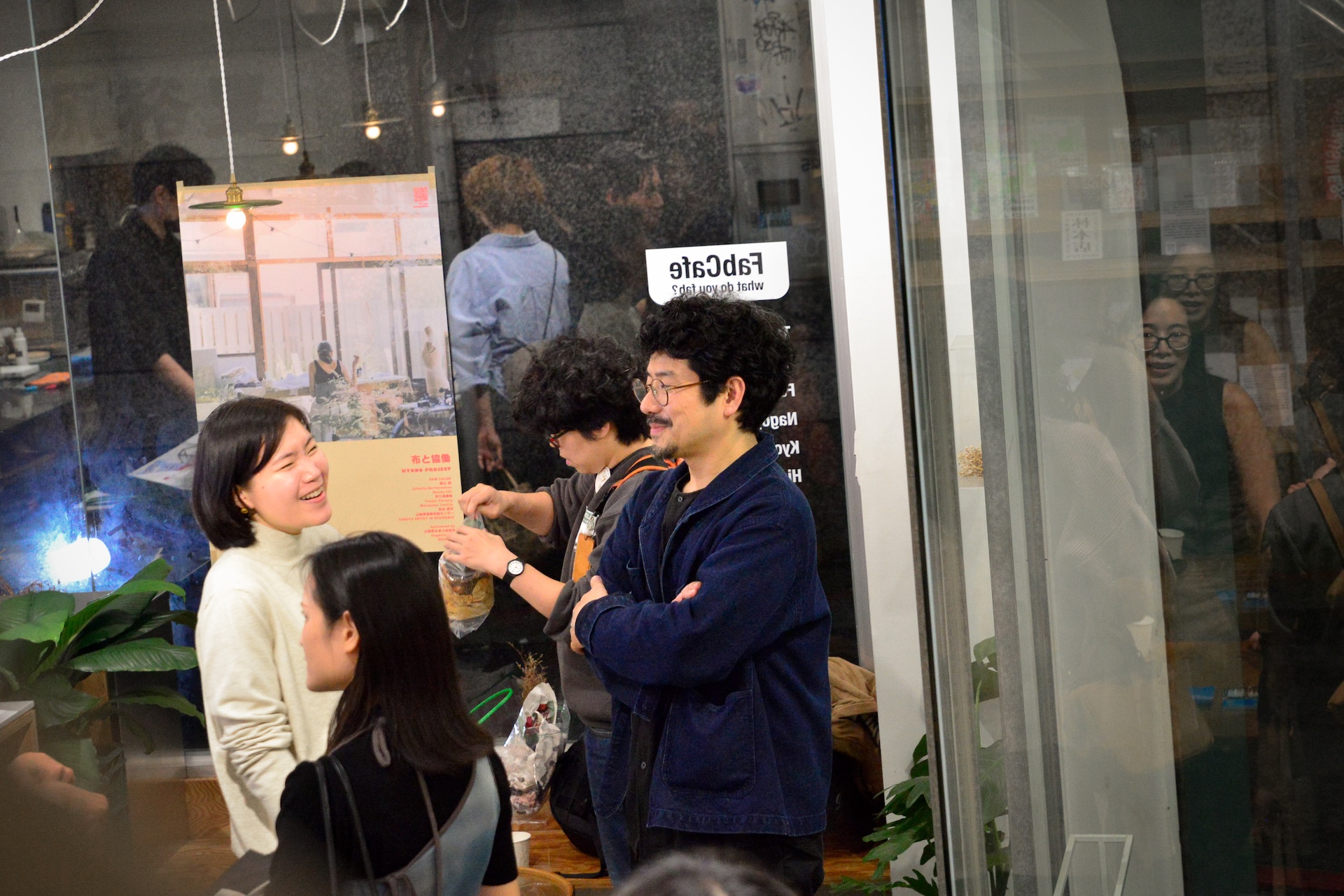
Creators and attendees in casual conversation after the event at FabCafe Taipei.


-
FabCafe Global Editorial Team
This articles is edited by FabCafe Global.
Please feel free to share your thoughts and opinions on this article with us.
→ Contact usThis articles is edited by FabCafe Global.
Please feel free to share your thoughts and opinions on this article with us.
→ Contact us -


See Branch List
See Keyword List
- #Craft
- #crQlr
- #HK Event Report
- #COUNTER_POINT
- #Prototyping
- #Design thinking workshop
- #SDG 14 Life under water
- #Miro
- #Creator Collaboration
- #Bangkok Design Week 2020
- #FabCafe Bangkok
- #Fab Meetup Hong Kong
- #FAB Ideation
- #Future City
- #COVID-19
- #Event Report
- #Sustainable
- #Business
- #Social Welfare
- #Fab Meetup
- #Exhibition
- #Art
- #SDGs
- #Haptic Design
- #Material
- #Drawing
- #Wood
- #Hackathon
- #AI
- #Agriculture
- #YouFab
- #Workshop
- #Meetup
- #AWRD
- #Bio
- #Global Goals Jam
- #XR (VR/AR/MR)
- #Talk Event
- #Ideathon
- #Embroidery
- #Material Meetup
- #Innovation
- #Architecture
- #Interview
- #Education
- #3D
- #Business Projects
- #Community