


Column
July 15, 2026
FabCafe Global Editorial Team
In the last few years, artist residencies across Asia have become one of the most sought-after ways to engage with local communities and their traditions of craft and making.
Although FabCafe began as a simple and subversive idea of creating open and welcoming places of making by placing fabrication equipment into cafe settings, some of the locations have developed their own philosophies and entire communities of designers, technologists, artists and scientists that have launched their own artists residencies. There residencies span from arts & science, creative technology, crafts, and community arts. If you’re an artist or creative and you’re weighing where to spend a few weeks or months in enriching your current practice, here are five residencies nurtured from FabCafe communities across Asia that are worth knowing.
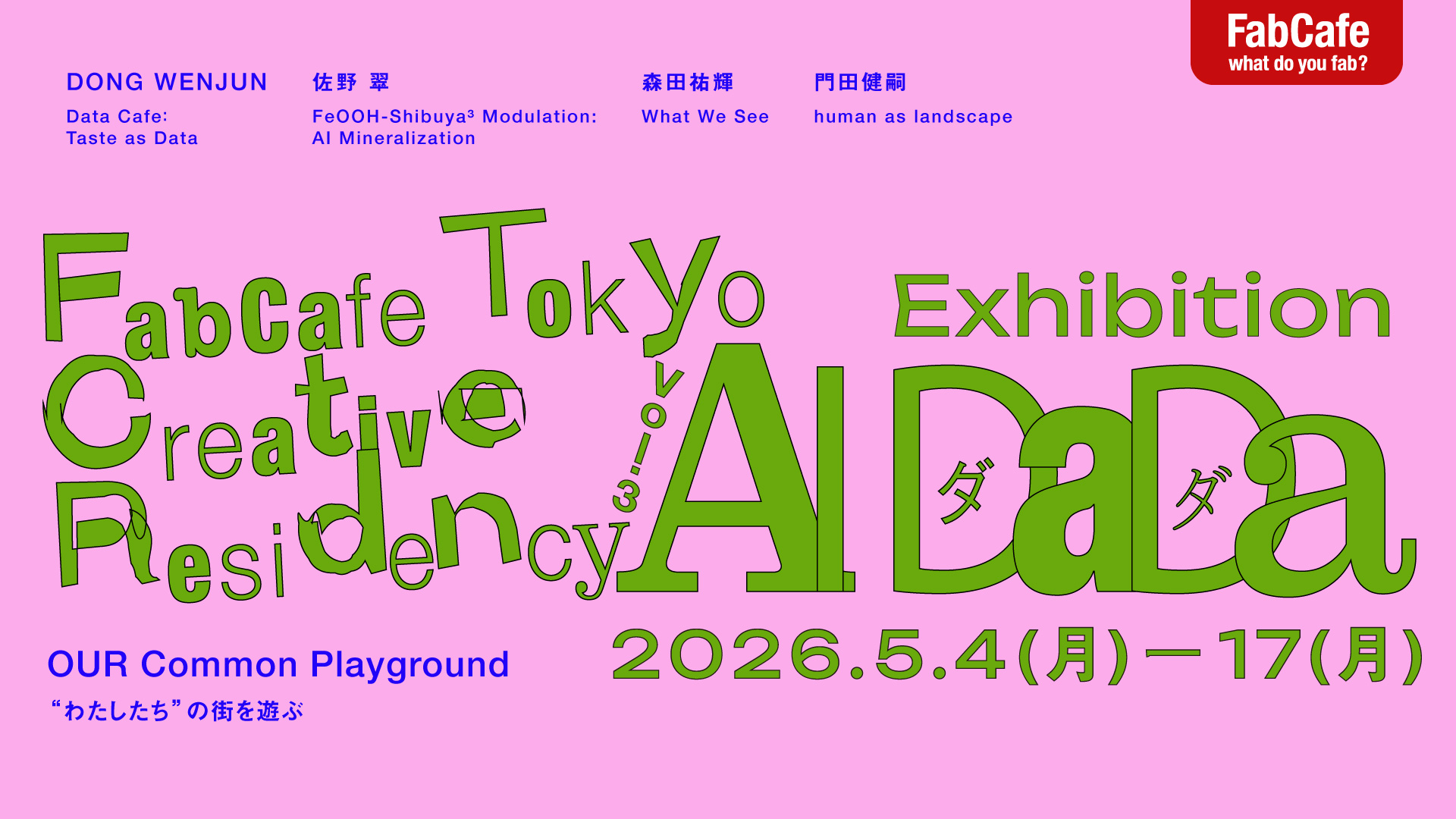
Announcement for the AI DaDa Vol 3 exhibition at FabCafe Tokyo.
-
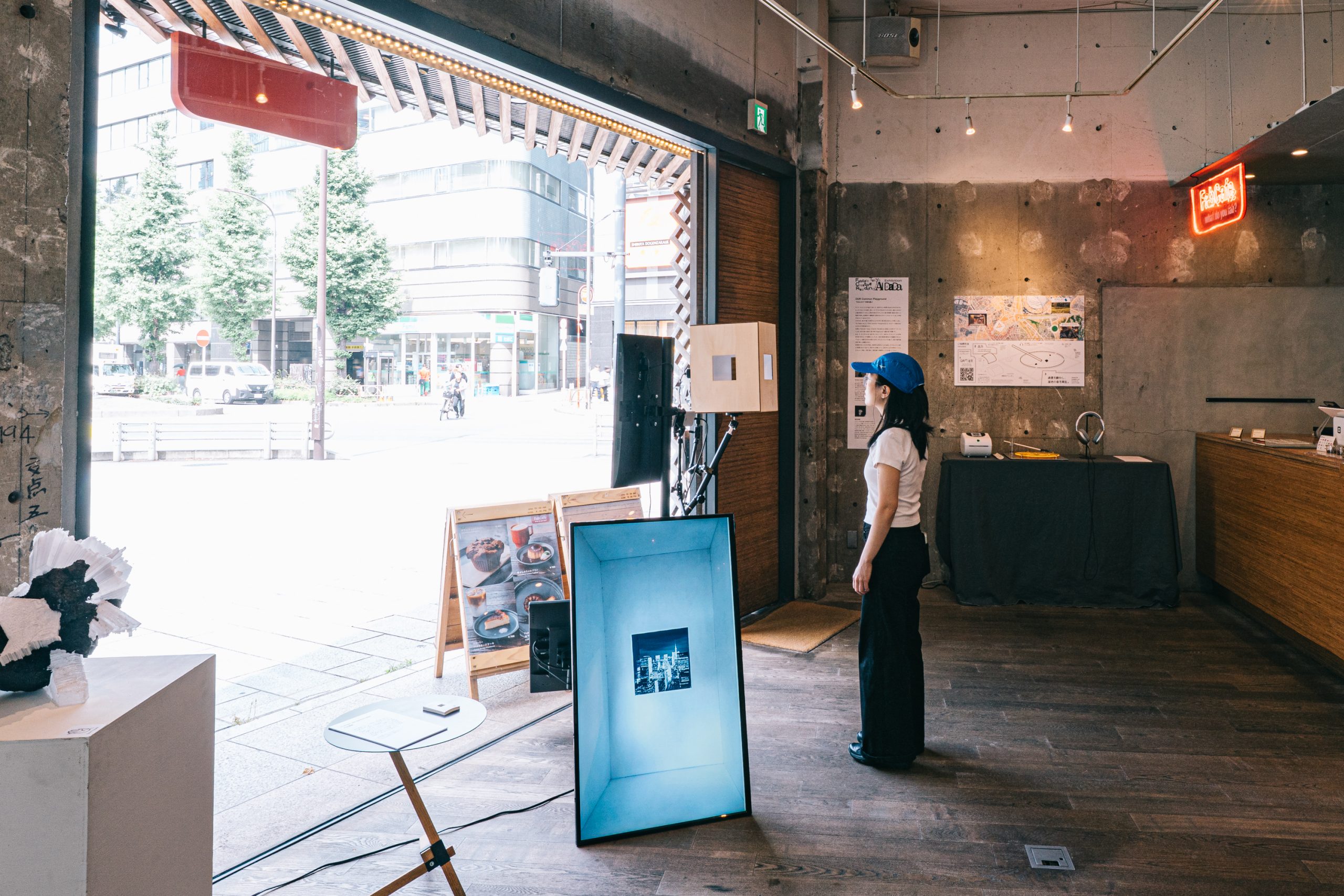
Exhibition space for the 2026 AI Dada Creator-in-Residence program at FabCafe Tokyo. -
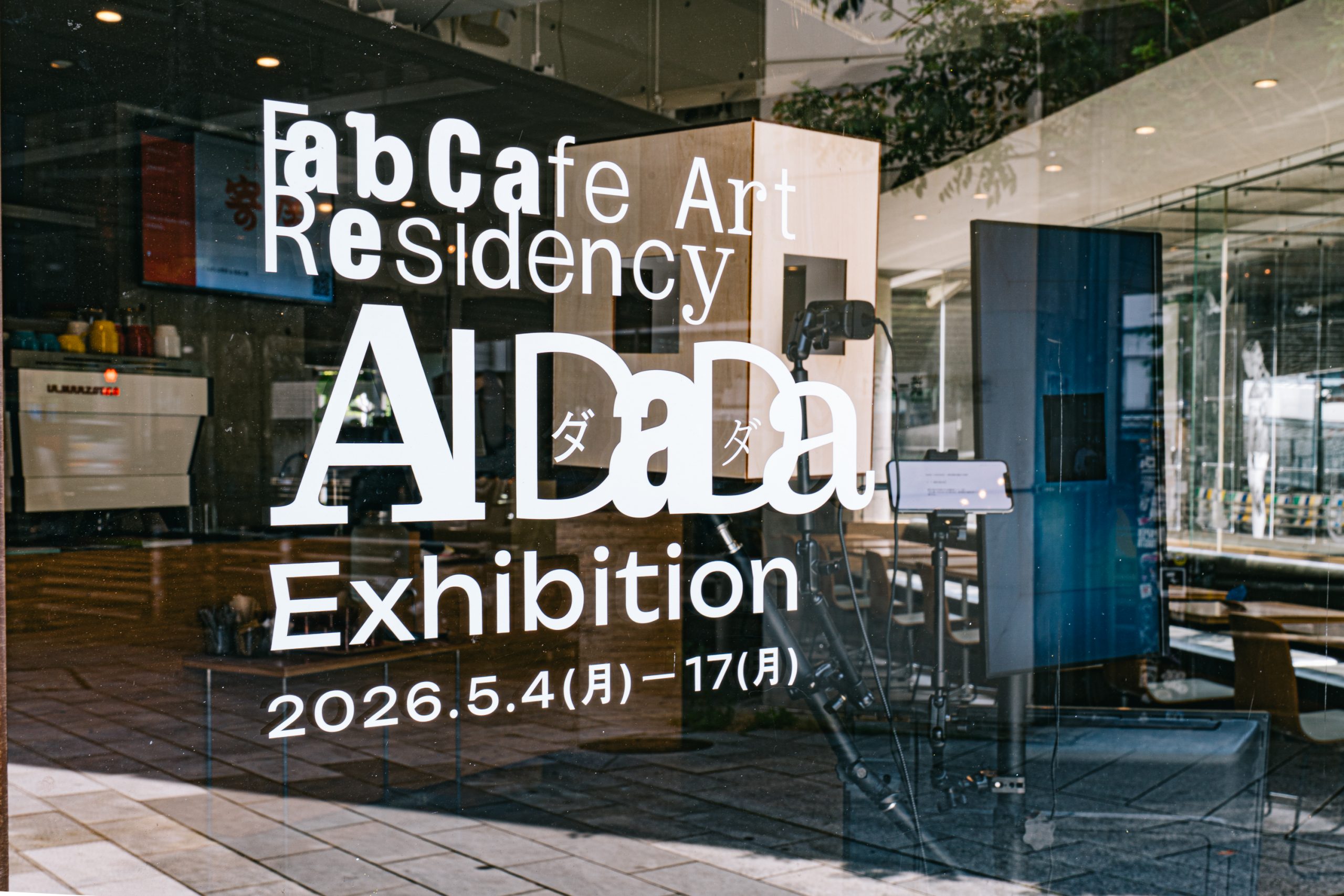
Exhibition space for the AI Dada Creator-in-Residence program at FabCafe Tokyo, located in the heart of Shibuya.
FabCafe Tokyo Creative Residency is a creator-in-residence program based at MTRL Tokyo, the coworking space on the 2nd floor of FabCafe Tokyo in Shibuya. It’s organized by Loftwork, and open calls run through our AWRD platform.
The program is for creators working across digital and analog media. Residents get a workspace at FabCafe Tokyo along with access to our fabrication tools, including laser cutters and 3D printers, plus support and visibility through FabCafe’s global community and channels.
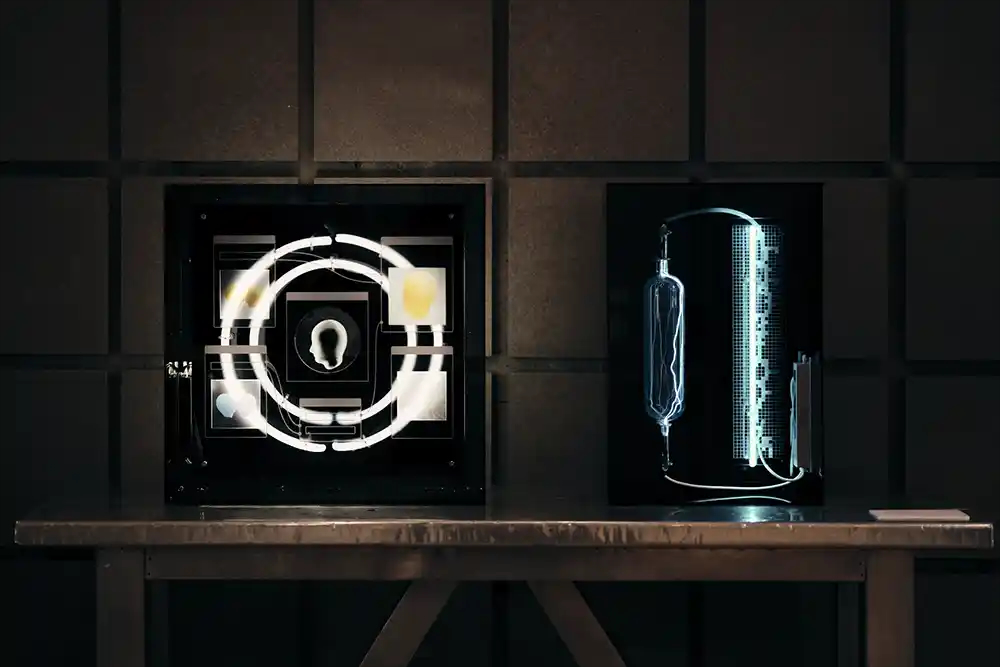
Daisho Ichikawa’s False Texture created for the 2025 AI Dada Creator-in-Residence program at FabCafe Tokyo.
The current theme, running across the 2025 to 2026 editions, is “AI-Dada.” It takes its cue from Dadaism. AI is shaking up a lot of assumptions about creative work: some people treat it as a tool for efficiency and new kinds of co-creation, while others worry about unlicensed training data and the social fallout of AI-generated content. Rather than settle that argument, the residency asks artists to approach AI experimentally, as both a tool of creation and a tool of destruction, in the same spirit the Dadaists broke the conventions of their time. Working with AI isn’t a requirement.
Applications are open to residents of Japan, and the residency is conducted in Japanese.
-
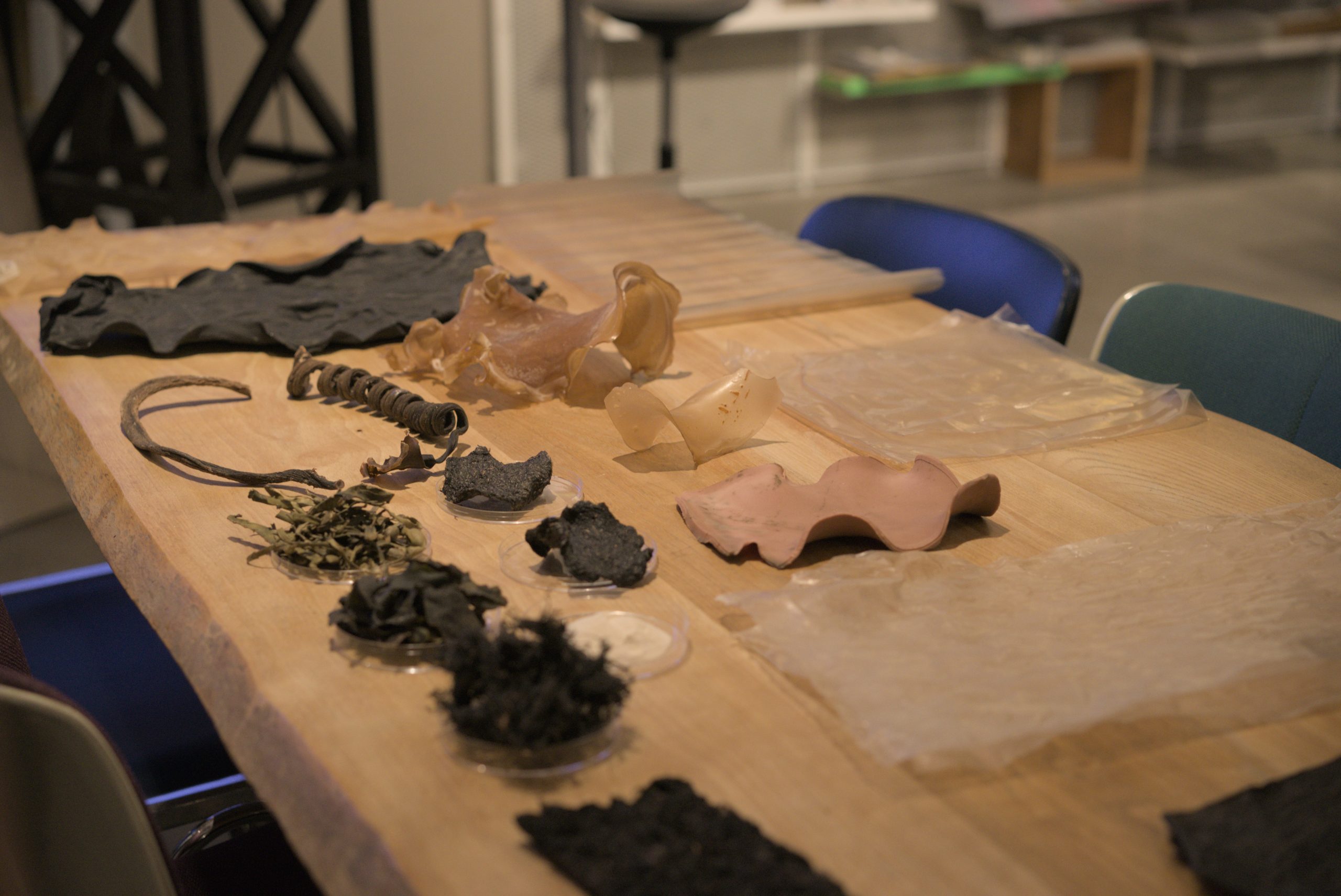
Bioplastic samples by Santtu Laine created during his 2025 residency. -
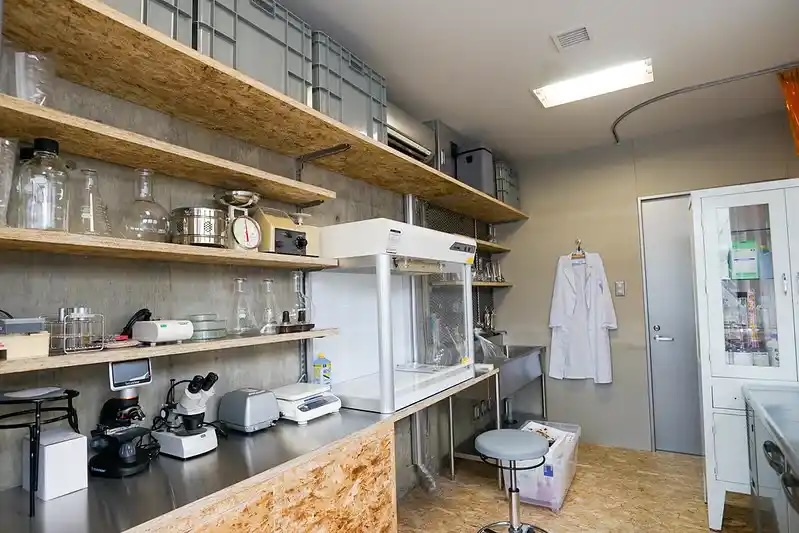 BioClub’s BSL 1 certified lab.
During the residency, the facilities of the BioClub Tokyo will be available for the artist. This includes a well equipped BSL1 lab, as well as a co-working space with basic fabrication equipment (use and costs of the latter to be agreed upon separately). Artists need to cover their materials, reagents and plasticware. The residency will also support research visits within the wider network of BioClub Tokyo and the Finnish Institute in Japan, such as the metaPhorest Art & BioMedia Group at Waseda University and the BioLab at the Yamaguchi Center for Arts and Media. Research that involves GMO work in the lab will need to be approved by the ethical review board of BioClub Tokyo. Some past projects include Lau Kaker’s community indigo vat project, and Santtu Laine’s experimentation in bacterial etching in bioplastics.
For more information on the application process, apply through the Bioarts Society.
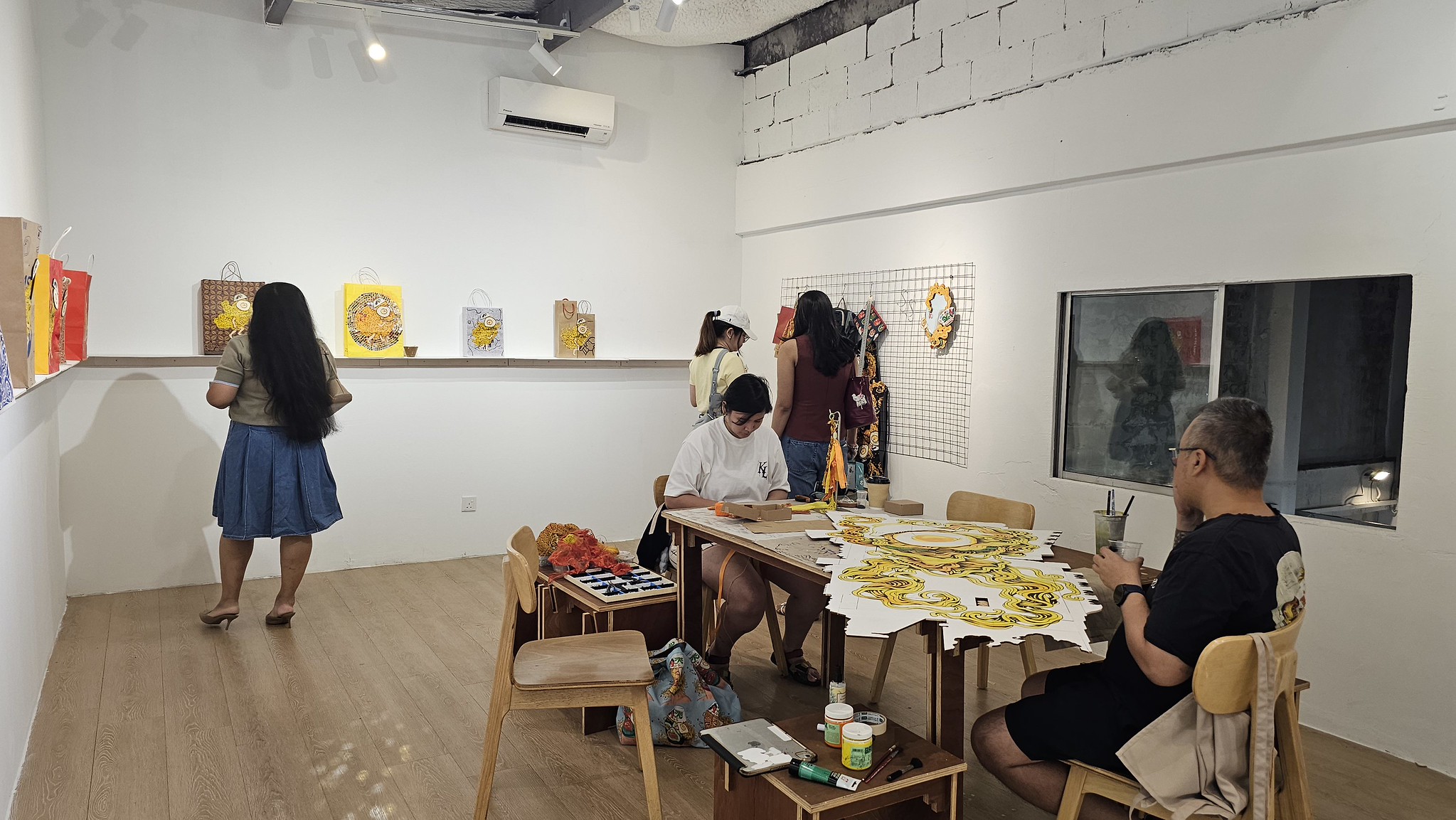 IGOR’s signature paper bag art work for his 2026 residency at FabCafe Kuala Lumpur.
At FabCafe Kuala Lumpur, the artist-in-residence program is built around collaboration rather than a fixed format. A visiting artist takes over the gallery and transforms it into a living studio, a space to make work, exhibit it, engage with visitors, run workshops, and create alongside local artists.
The emphasis is on fit. Rather than imposing a rigid program structure, FabCafe Kuala Lumpur seeks out artists whose practice resonates with the local creative community, offering them the space to work in dialogue with it. Each residency brings together makers and spaces from across the region, and the exhibition shifts and grows throughout, so the work on view at the start of the run differs from what remains at its close.
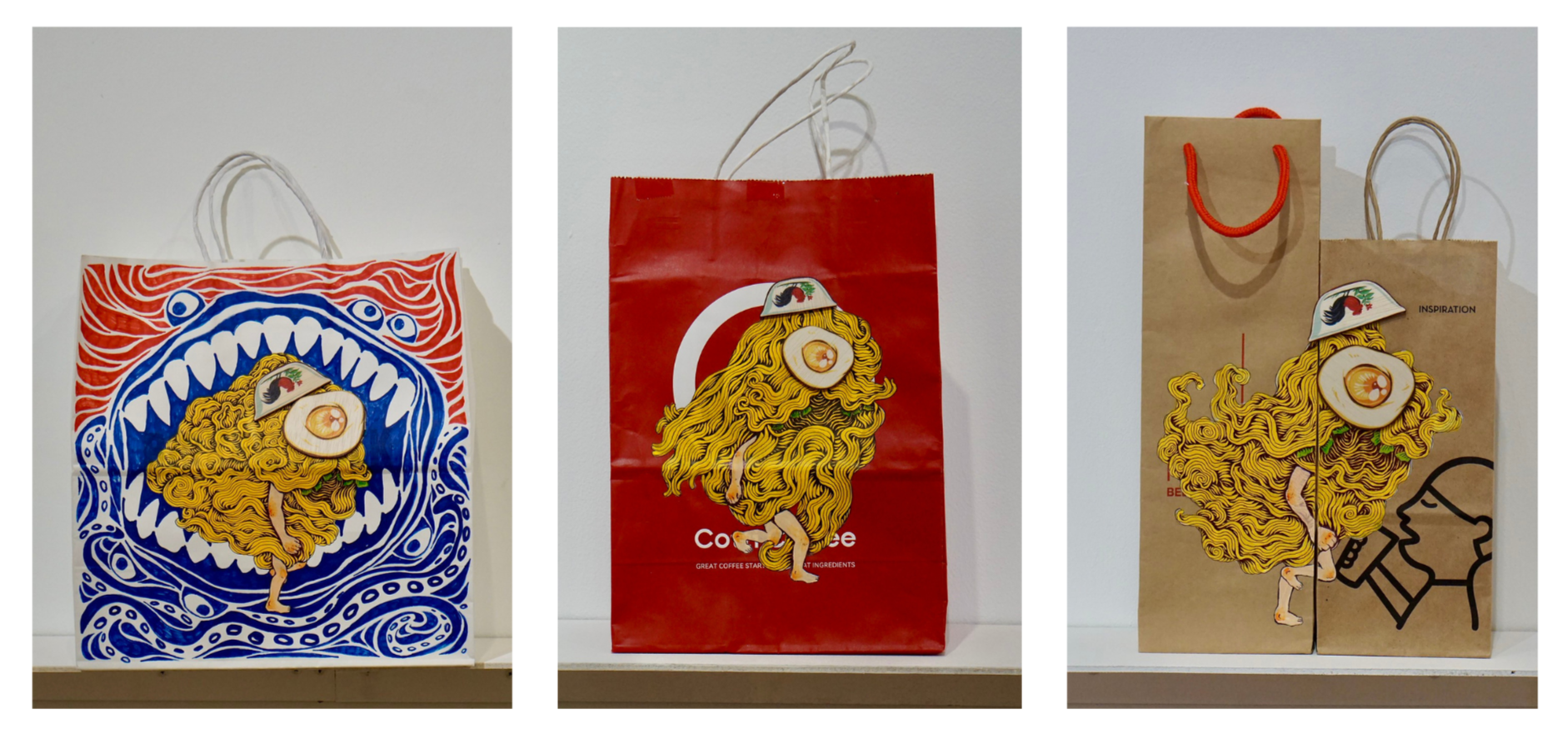
IGOR’s signature paper bag art work for his 2026 residency at FabCafe Kuala Lumpur.
To meet this year’s resident, read the latest article featuring FabCafe Kuala Lumpur’s first artist-in-residence, Alam Taslim, and his travelling companion, IGOR. To find out about the next call for artists, follow their Instagram to get the latest updates!
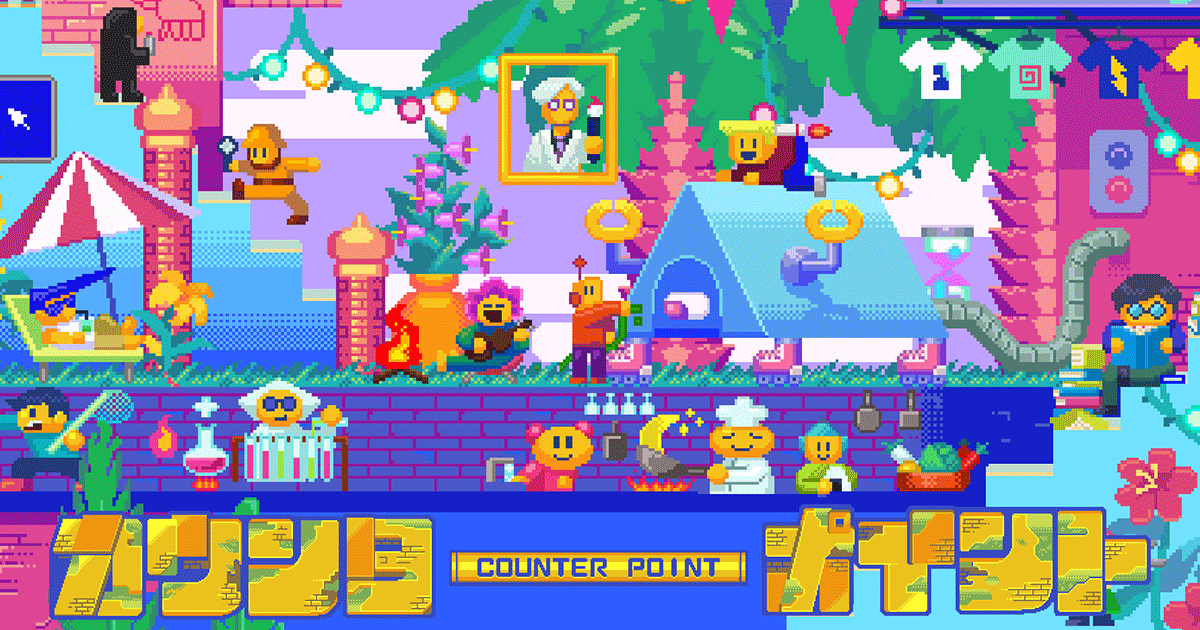
COUNTER POINT is the project-in-residence program run out of FabCafe Kyoto, in the Shimogyo-ku district. Selected residents get a three-month run using FabCafe Kyoto as their working base, with access to its fabrication tools, its programming, and the steady stream of designers, technologists, and Loftwork members who pass through the space. Rather than recruiting on the strength of a polished portfolio, the program is built around personal obsession. It looks for projects driven, in the organisers’ own framing, by impulse and deep passion. The disciplinary range is intentionally wide: past cohorts have included experimental musicians, chefs, roboticists, florists, and artists working with chocolate, brainwaves, and past-life storytelling, all sharing the same building for three months at a time.
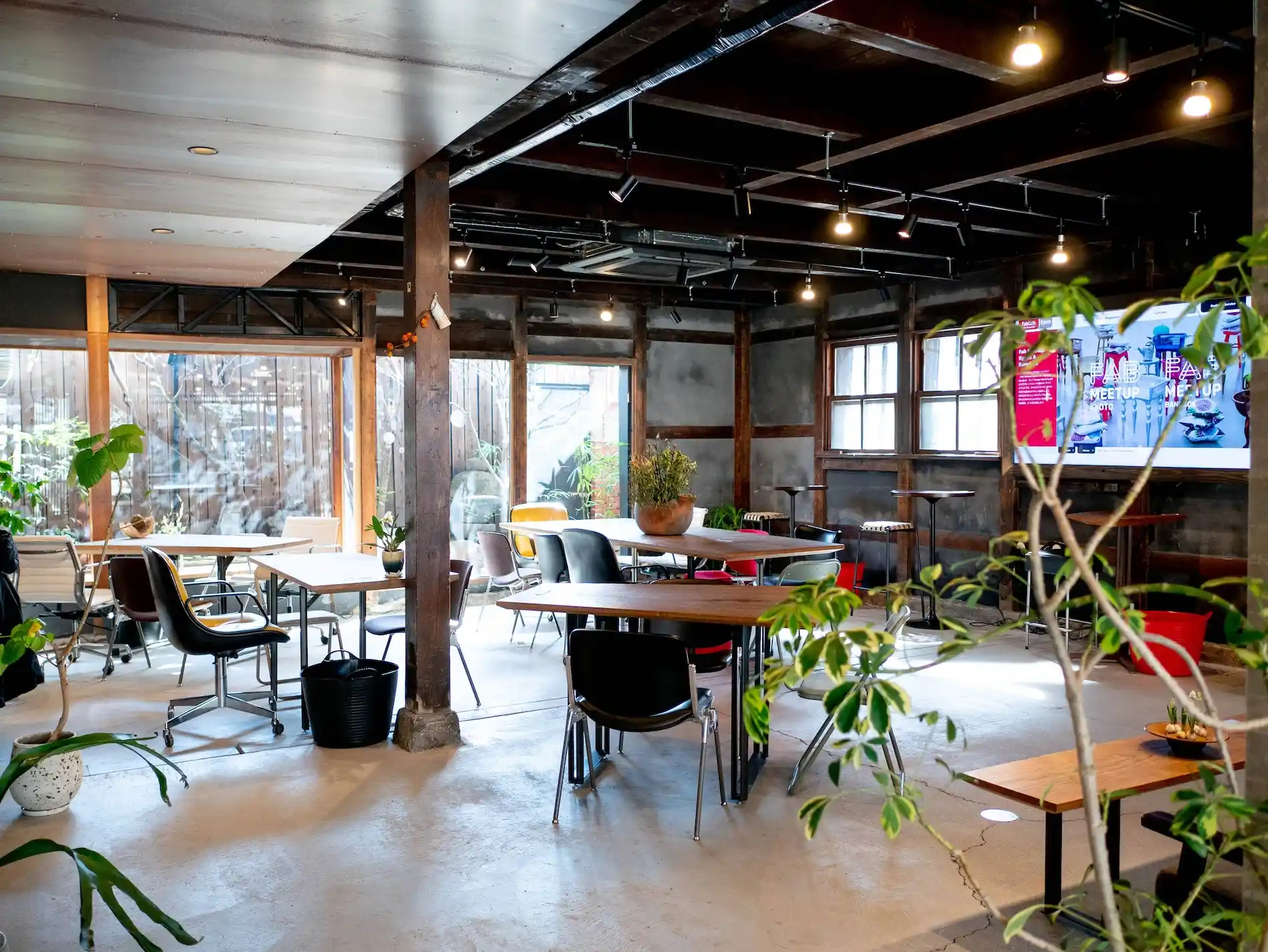
Accommodation is not included, and residents are responsible for their own living and material costs while in Kyoto. The program recruits in waves (referred to as “generations”), with open calls published in both English and Japanese, so non-Japanese-speaking artists are welcomed in. Past projects offer the clearest sense of what the residency can hold: the first cohort included Campfire Lab’s exploration of urban bonfire culture, Tadashi Ando’s brainwave-controlled instruments, and edalab.’s “Flower Flows” photographic study of plants over time, among eight teams in all.
COUNTER POINT is now in its 17th season, and more than 60 projects have been selected over the years. It is not uncommon for projects developed here to lead to opportunities such as external exhibitions or connecting professional opportunities to participants.
The current open call and application form live at fabcafe.com/jp/labs/kyoto/counterpoint.
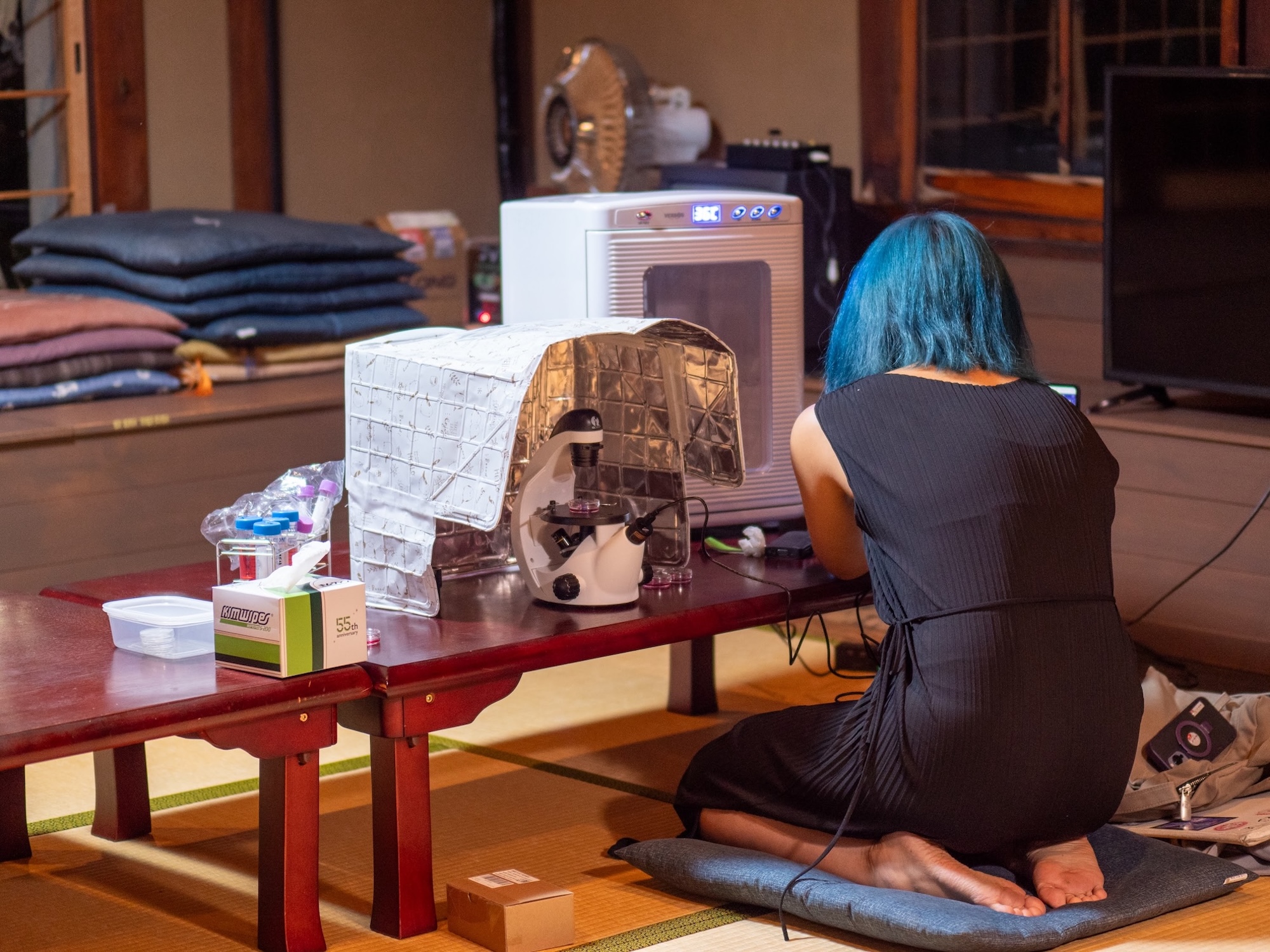 COUNTER POINT supports a wide range of disciplines.
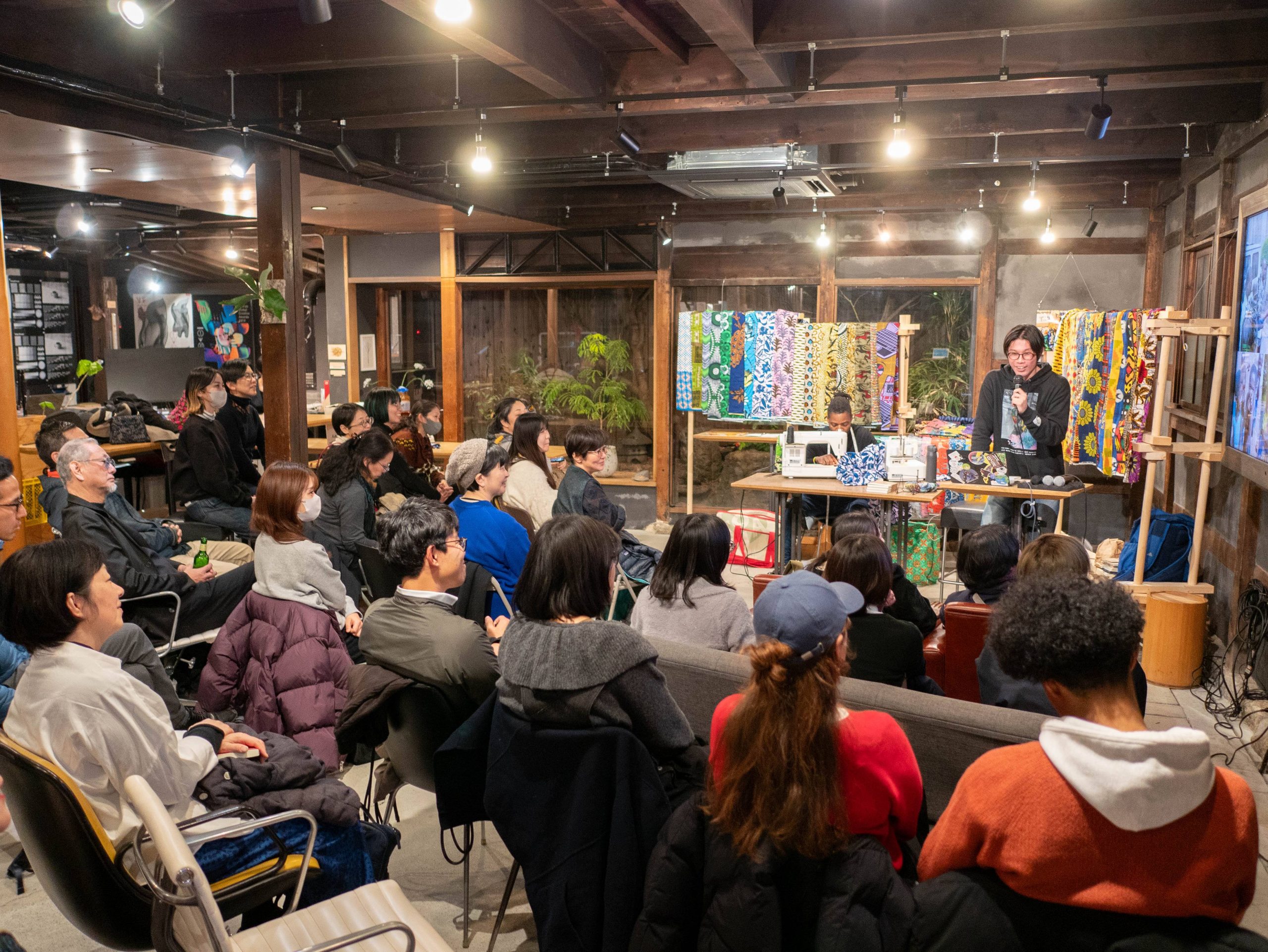 There are opportunities to share work to a wider audience.
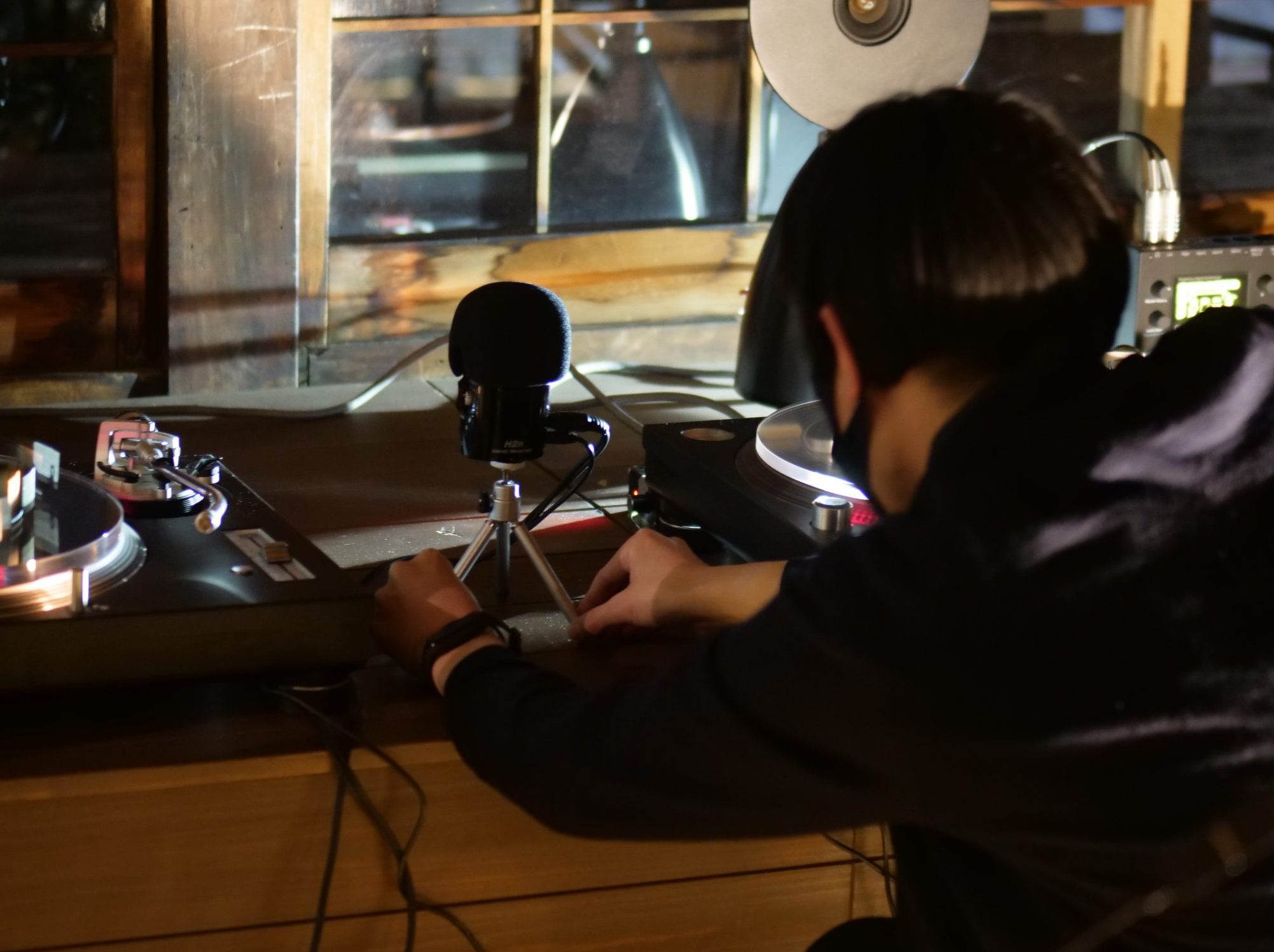
Co-working space can support many areas of expertise.
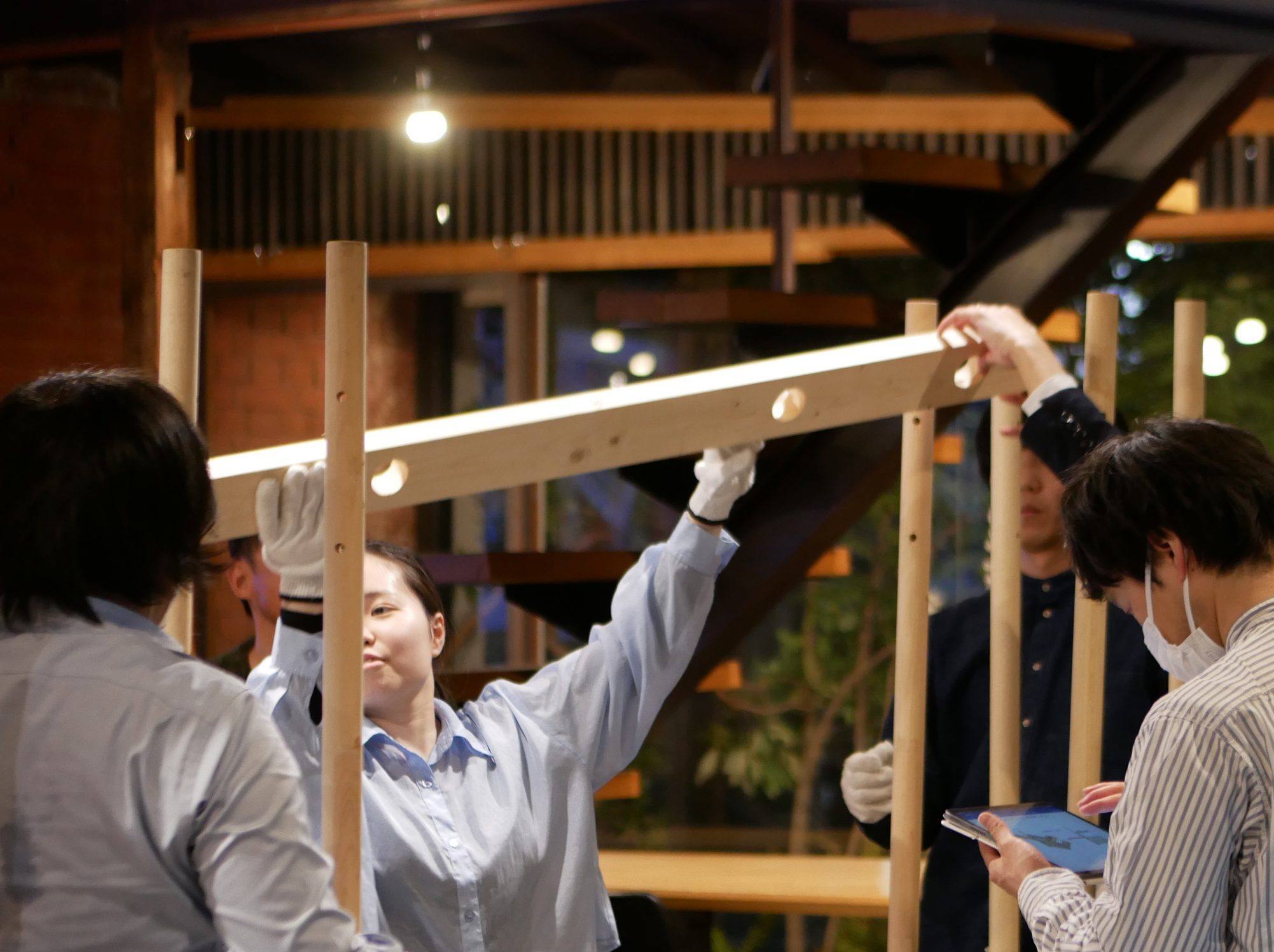
Space can accommodate demos and installations.
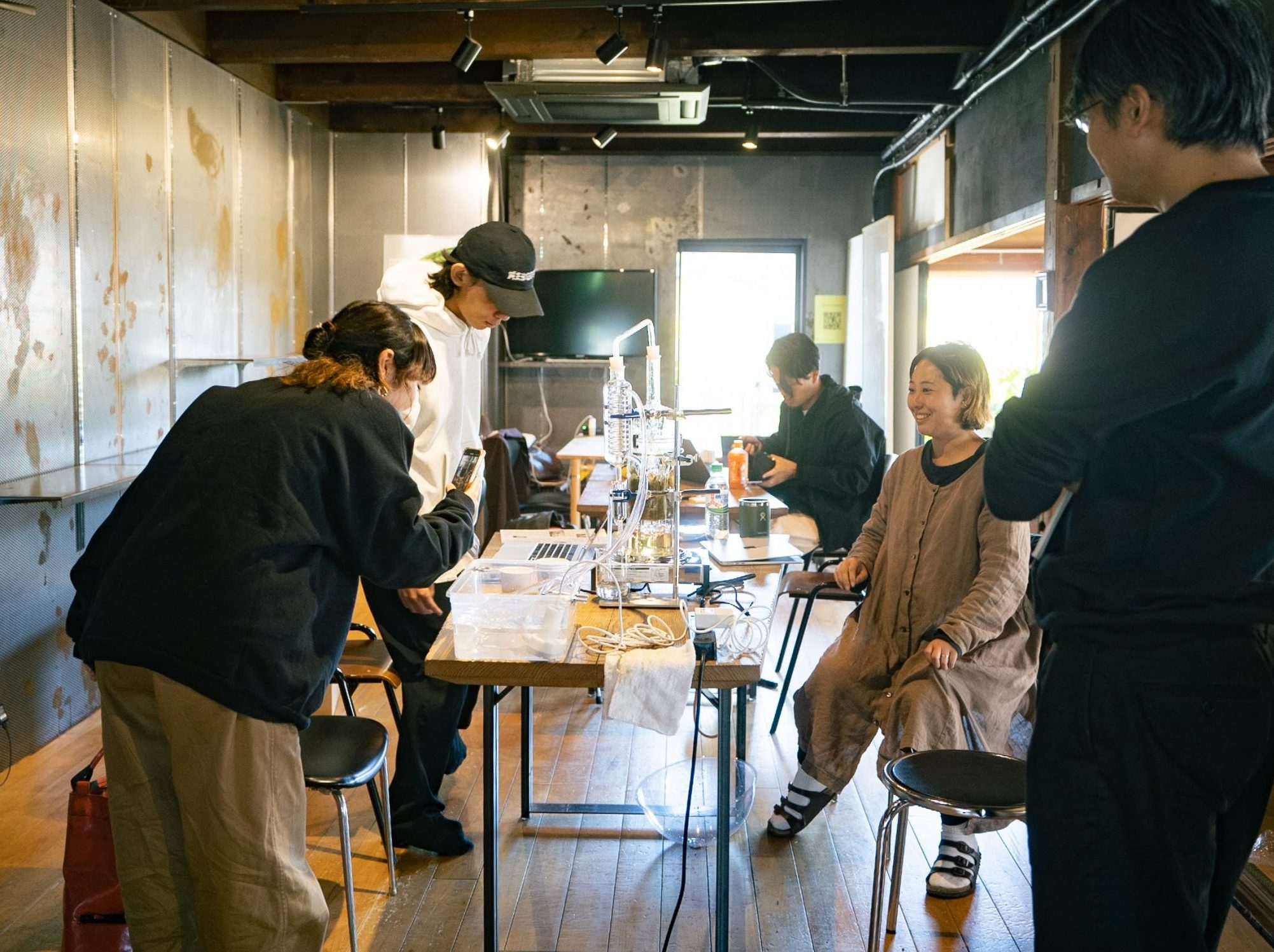 There are opportunities to facilitate workshops.
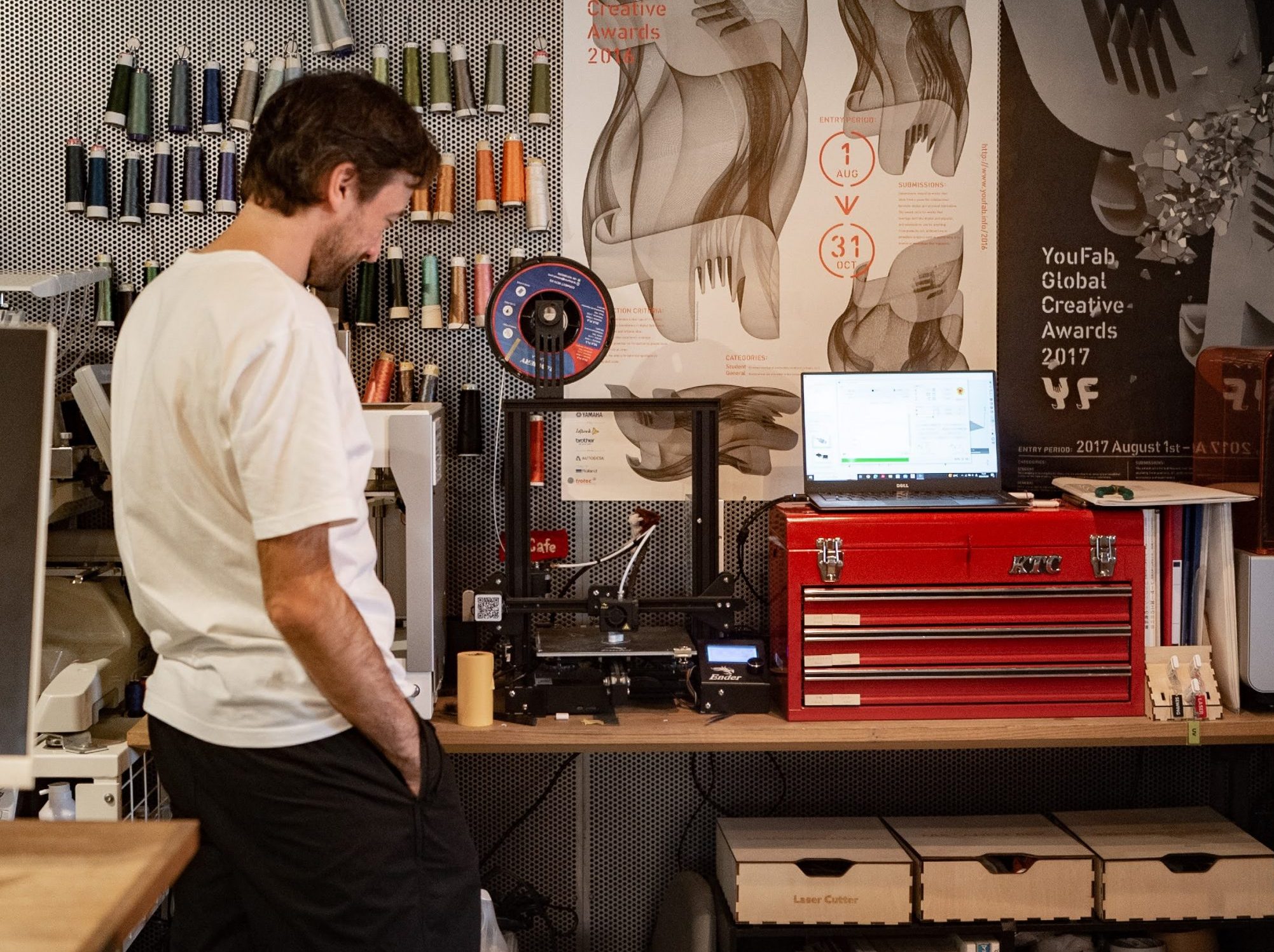 FabCafe Kyoto has a robust fabrication workshop.
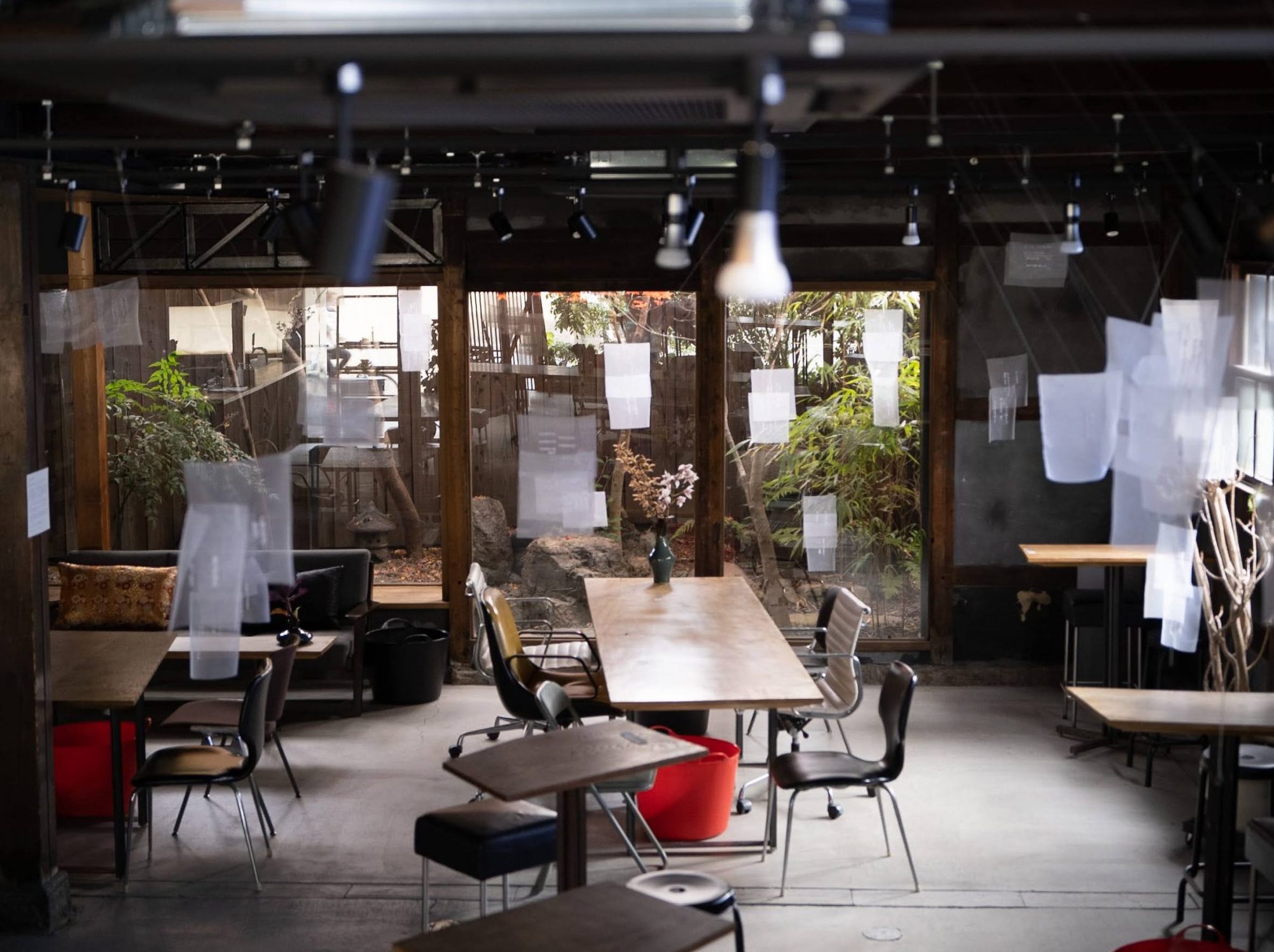 There is plenty of space to co-work within a serene cafe and studio environment.
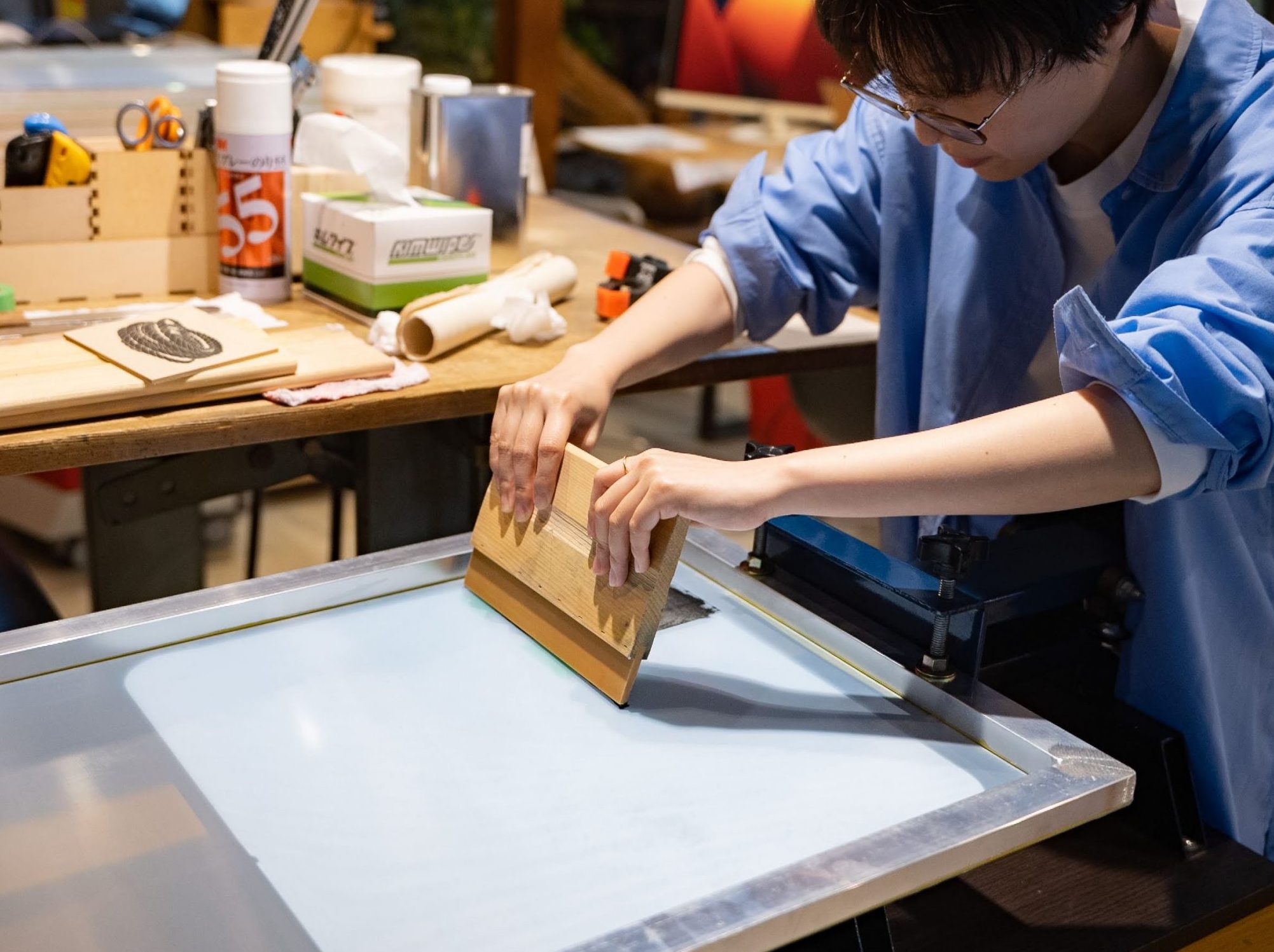
COUNTER POINT has supported many traditional and non-traditional activities.
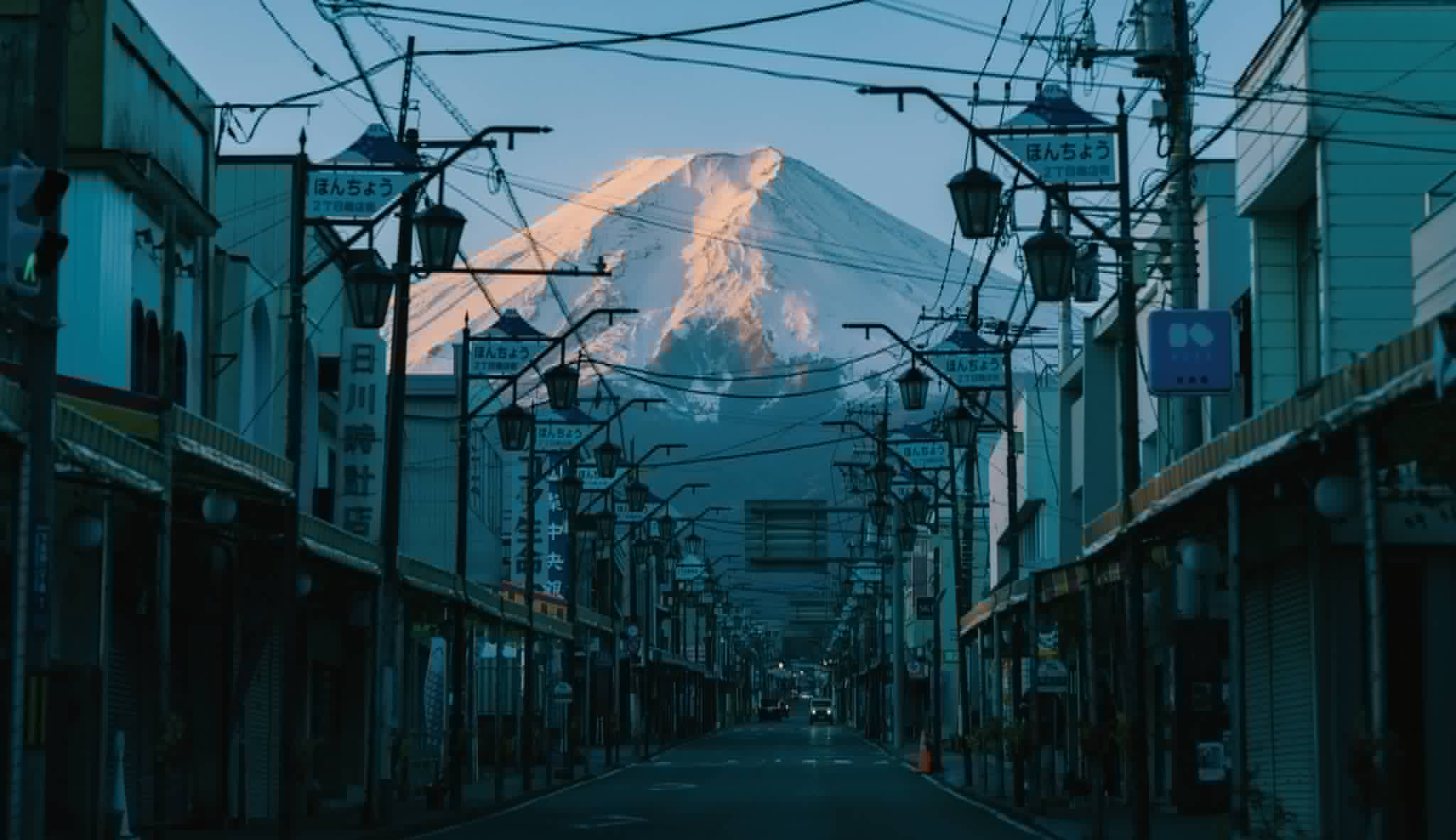
Fujiyoshida
The Saruya artist-in-residence program sits in Fujiyoshida, a Yamanashi town known for its centuries-old textile industry and the unusual ecosystems shaped by the forests around Mt. Fuji. The residency was launched by Tsuyoshi Yagi of FabCafe Fuji, who set it up to give Fujiyoshida residents an everyday way to engage with contemporary art and meet the artists making it. That community focus runs through the program: each month, SARUYA hosts Open Studio and Open Atelier evenings where local residents are invited in to view work in progress and talk with the artists in residence. Since 2020, it has also worked alongside a partner organization to deepen the dialogue between Japanese craft traditions and contemporary art practice.
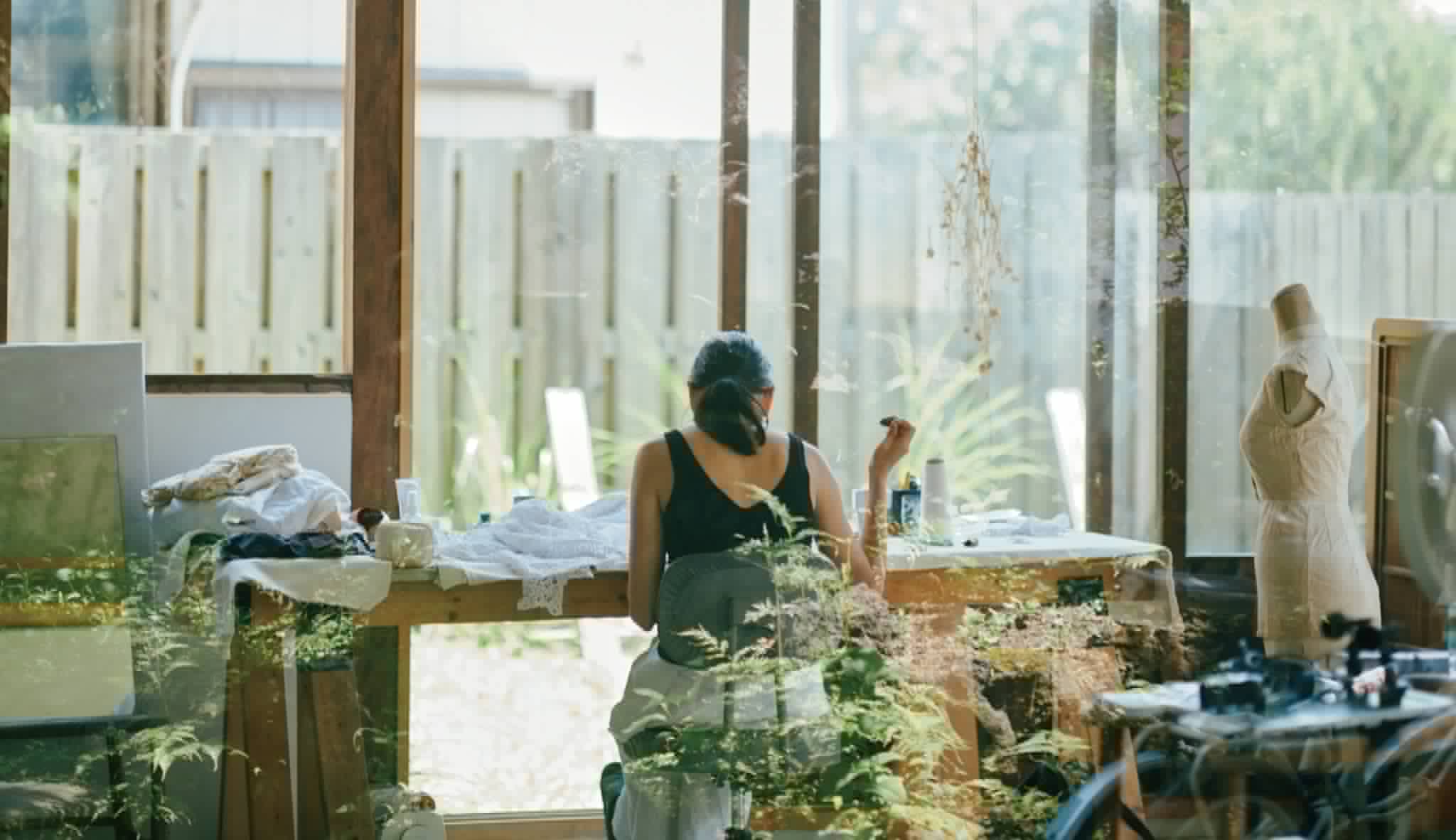 The Saruya Artist in Residence program can support varying disciplines.
-
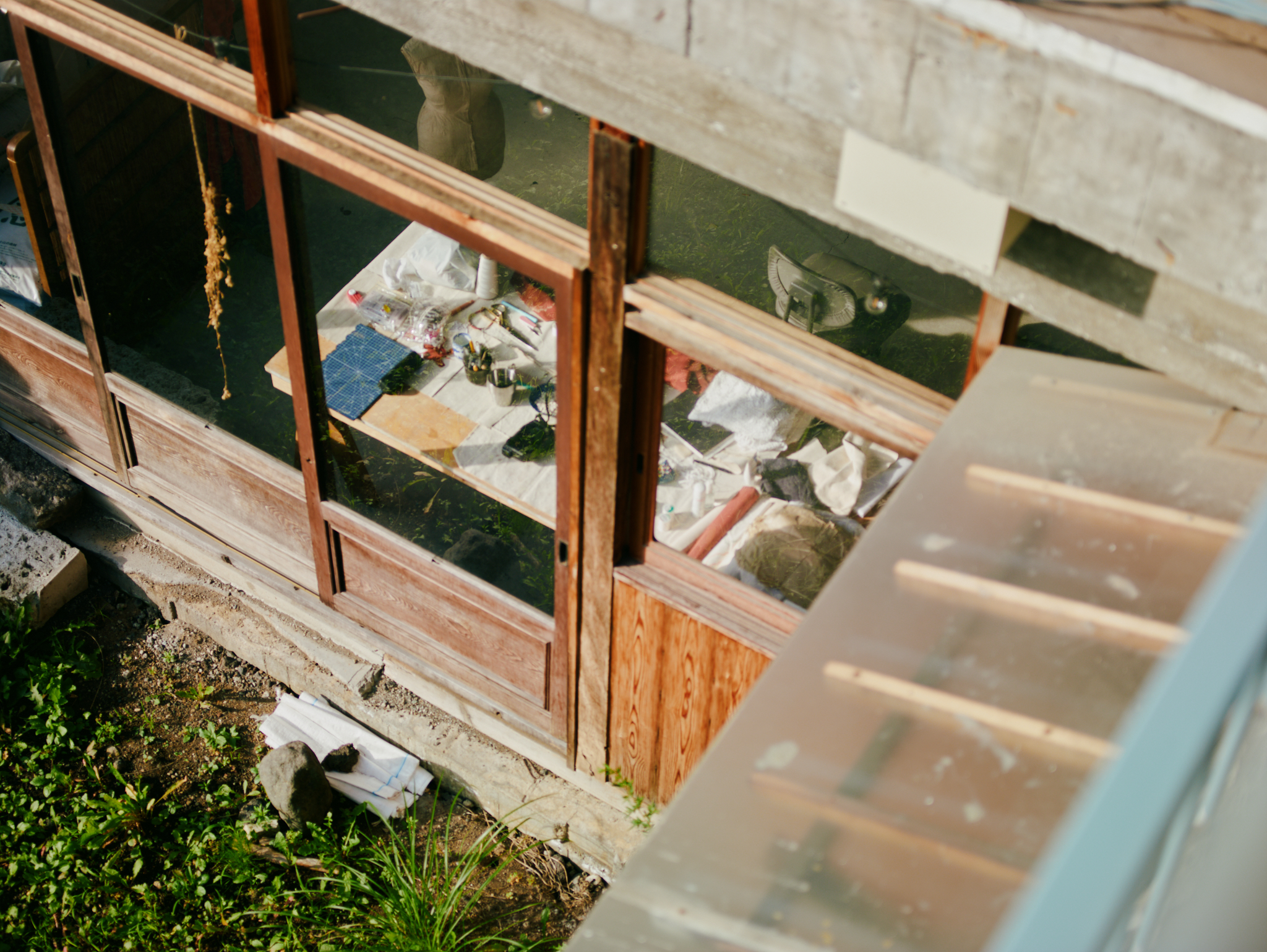 View of workspace from upstairs.
 -
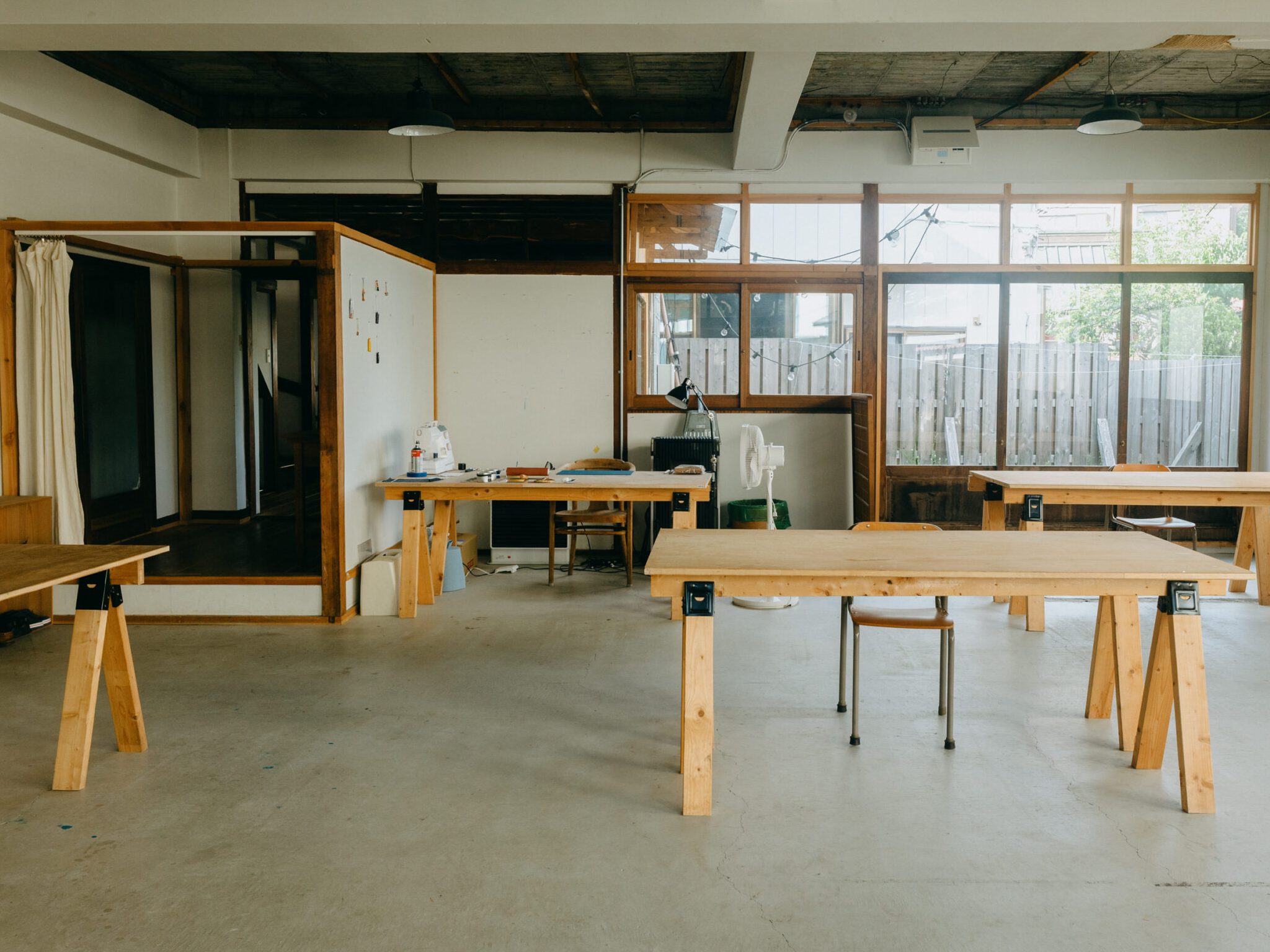 Photo of workspace.
Artists stay anywhere from one to three months and structure their own days, with the residency providing hands-on support for local engagement and for presenting work to the community. The program is intentionally broad in its disciplines, welcoming textiles, film, dance, design, and any practice that speaks to the forests, the textile mills, and the rhythms of the town.
Open calls and the application form are at saruya-air.com, and follow FabCafe Fuji for updates.
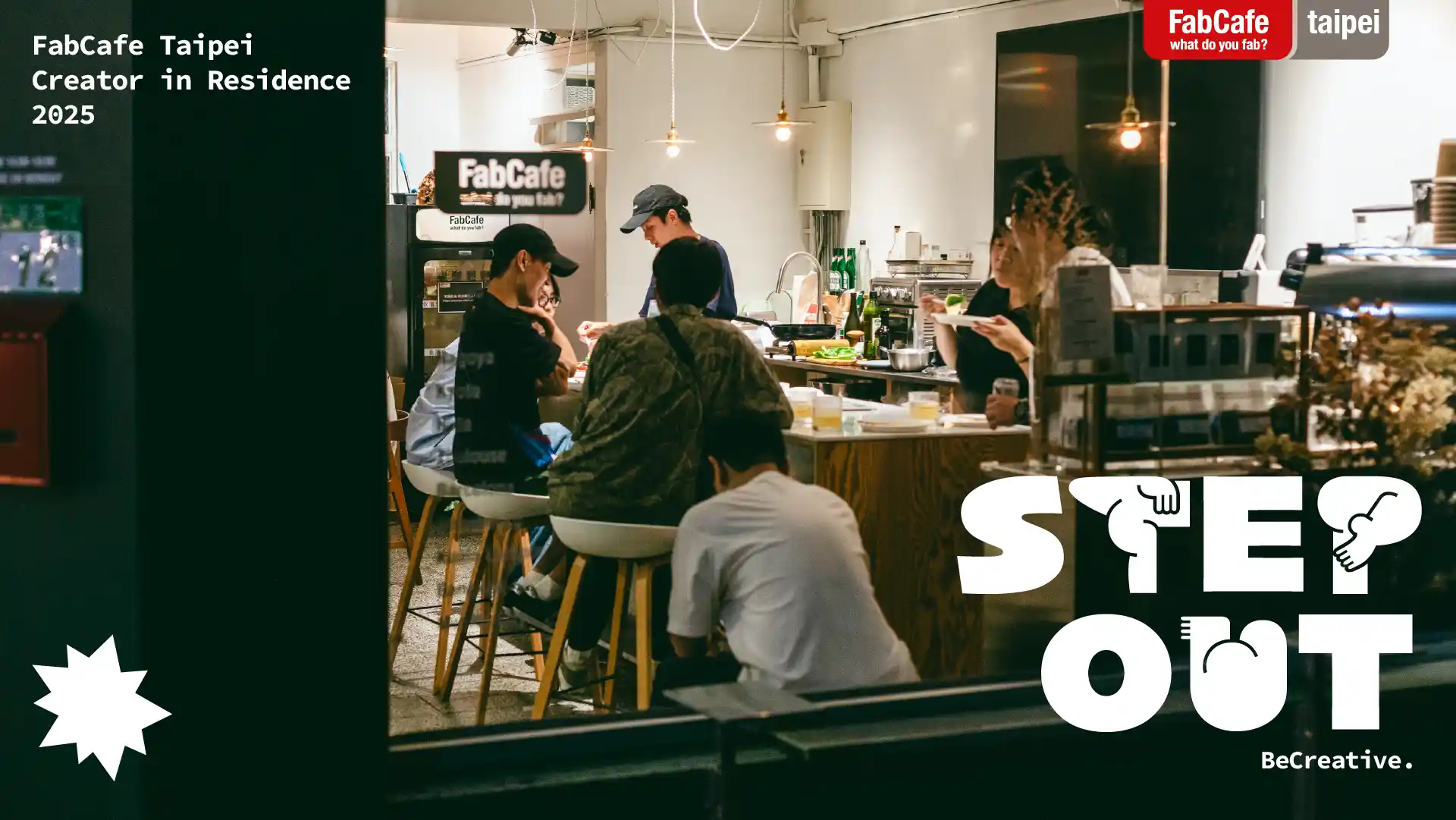
STEPOUT BeCreative is the creator-in-residence program run by FabCafe Taipei, conceived as a cross-disciplinary lab. The cafe sits in Taipei’s Wanhua district, where the temples and traditional markets of an older city meet the street culture of nearby Ximending, and its areas of focus run from interactive design (AR/XR), biotechnology, and food innovation to circular design, sustainability, and local revitalization.
Residents work from a shared studio stocked with fabrication tools and an exhibition space. A tatami room on site may also be available as accommodation during the residency, with shared bathroom facilities. Runs last anywhere from two weeks to three months, with openings throughout the year, and the program welcomes creators from any discipline, particularly those travelling from overseas to engage with the local community and industries. Before a residency closes, each artist presents their work back to the public through an exhibition, workshop, or talk, with the possibility of developing creative products or collaborative ventures along the way. Meals, travel, and material costs are the resident’s own to cover.
-
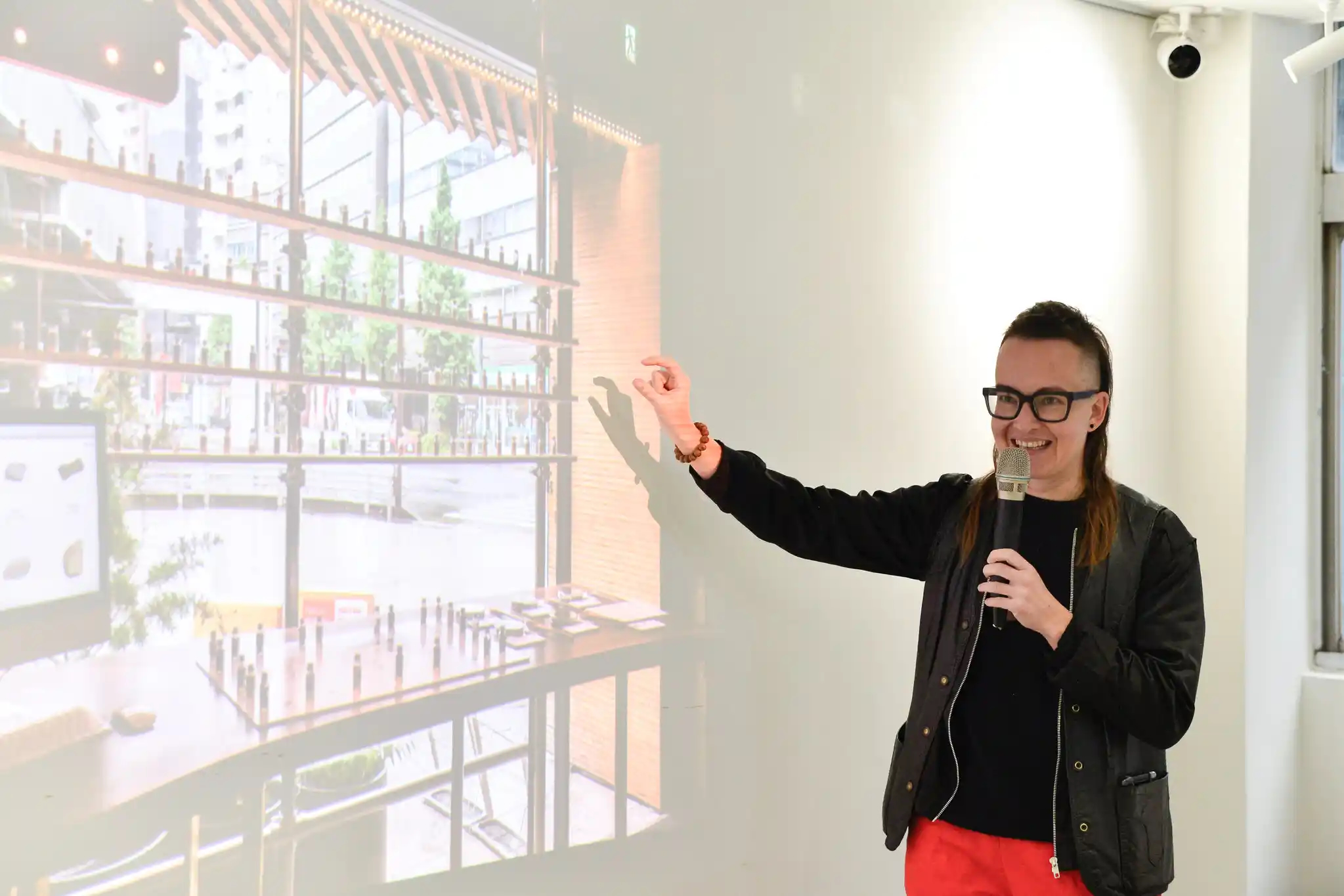 Presentation by the Museum of Edible Earth
 -
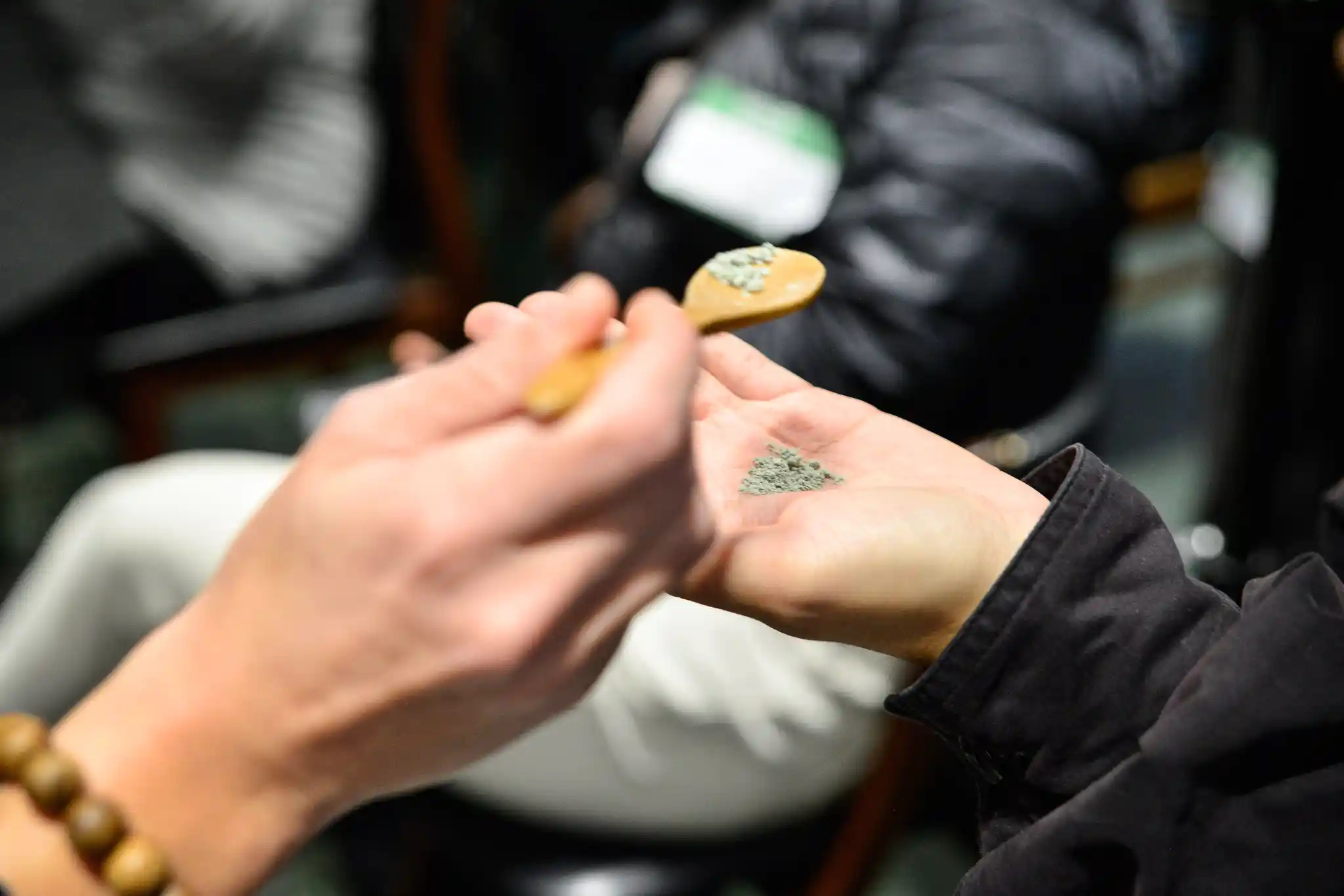 Attendees of the presentation of the Museum of Edible Earth were able to taste samples.
For a sense of what the residency produces, read the report on Dutch artist masharu’s “Museum of Edible Earth” sharing session, a STEPOUT collaboration that invited participants to taste edible soils from around the world. The current open call and application form live on the STEPOUT BeCreative page, and following FabCafe Taipei keeps you up to date on the next round.
Rather than a uniform structure, these residencies are unified by a shared philosophy: the integration of open studios within active workspaces, proximity to a community, and a profound connection to the local environment that informs the resulting work. Because each program caters to different creative approaches, selecting the right fit involves aligning a specific project with the setting best equipped to foster its development.
As open calls evolve seasonally, the most effective way to remain informed is by staying connected through our newsletter.
Residencies Featured:
- FabCafe Tokyo – AI DaDa Creator in Residence Program
- BioClub – Art Science Residency
- FabCafe Kuala Lumpur – Artist in Residence Program
- FabCafe Kyoto – COUNTER POINT
- FabCafe Fuji – Saruya Artist in Residence Program
- FabCafe Taipei – Step Out Artist in Residence Program


-
FabCafe Global Editorial Team
This articles is edited by FabCafe Global.
Please feel free to share your thoughts and opinions on this article with us.
→ Contact usThis articles is edited by FabCafe Global.
Please feel free to share your thoughts and opinions on this article with us.
→ Contact us -


See Branch List
See Keyword List
- #Craft
- #crQlr
- #HK Event Report
- #COUNTER_POINT
- #Prototyping
- #Design thinking workshop
- #SDG 14 Life under water
- #Miro
- #Creator Collaboration
- #Bangkok Design Week 2020
- #FabCafe Bangkok
- #Fab Meetup Hong Kong
- #FAB Ideation
- #Future City
- #COVID-19
- #Event Report
- #Sustainable
- #Business
- #Social Welfare
- #Fab Meetup
- #Exhibition
- #Art
- #SDGs
- #Haptic Design
- #Material
- #Drawing
- #Wood
- #Hackathon
- #AI
- #Agriculture
- #YouFab
- #Workshop
- #Meetup
- #AWRD
- #Bio
- #Global Goals Jam
- #XR (VR/AR/MR)
- #Talk Event
- #Ideathon
- #Embroidery
- #Material Meetup
- #Innovation
- #Architecture
- #Interview
- #Education
- #3D
- #Business Projects
- #Community